
The boxer dog is famously devoted to its family, forming particularly gentle bonds with children that make them premier household companions. While their muscular build and dark, soulful eyes can project a serious or intimidating image, the boxer dog is actually a sensitive, lighthearted goofball at heart.
Due to their high-octane energy, a boxer dog thrives best when given structured training and early socialization to curb overexcited behaviors like jumping. Owners must also remain vigilant during extreme weather, as the breed’s short coat and flat face make them prone to overheating or chilling. Beyond their physical needs, these dogs crave constant mental stimulation and human interaction to remain happy. Explore our guide to the boxer dog to understand their unique history, vibrant temperament, and specific health considerations.
Characteristics of the Boxer Dog
Choosing a boxer dog means bringing a high-spirited, people-oriented companion into your home, as they are renowned for their affectionate and friendly nature. This breed is famously known for the “kidney bean” dance—a hilarious full-body wiggle they perform when excited to see their favorite humans.
While their loyalty makes them excellent family pets, the boxer dog can be a bit too exuberant for toddlers or frail seniors, often accidentally knocking them over during enthusiastic greetings. Potential owners should also note that traditional cosmetic procedures, like ear cropping and tail docking, are increasingly discouraged by veterinary professionals who prioritize the animal’s natural well-being over aesthetics. To ensure a happy household, these muscular dogs require consistent training to channel their energy into polite behavior rather than constant jumping.
| Affection Level | High |
| Friendliness | High |
| Kid-Friendly | High |
| Pet-Friendly | Medium |
| Exercise Needs | High |
| Playfulness | High |
| Energy Level | High |
| Trainability | High |
| Intelligence | Medium |
| Tendency to Bark | Medium |
| Amount of Shedding | Medium |
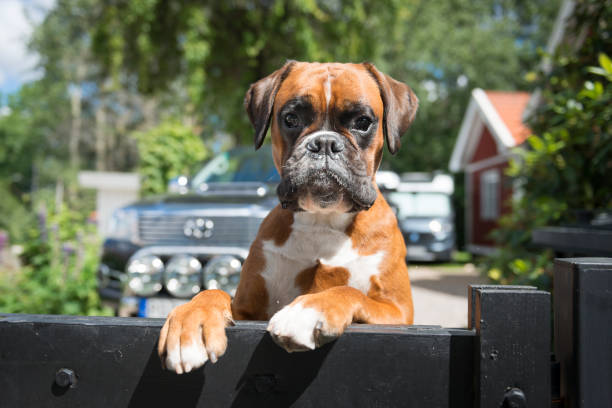
History of the Boxer Dog
The boxer dog finds its roots in 1800s Germany, descending from the Bullenbeisser—a powerhouse hunter originally bred to take down massive prey like bears and boars. As hunting practices evolved, this fierce ancestor was crossbred with the Old English Bulldog and other compact breeds, creating the agile, athletic boxer we know today .
This refined version quickly became a favourite across Europe and North America, proving its worth as a versatile farmhand, keen guardian, and courageous military partner. After gaining American Kennel Club recognition in 1904, the boxer dog solidified its place as a top family pet, frequently ranking among the most popular breeds in the U.S.. Their journey from intense big-game hunters to silly, dependable household companions showcase their remarkable adaptability. Today, they are celebrated not just for their physical power, but for their deep loyalty and unique charm as both high-energy athletes and gentle, protective friends
Boxer Care
The high-spirited boxer dog thrives on intense physical activity and craves constant human companionship to stay mentally balanced. Because of their exuberant nature, structured obedience training is essential to manage their boundless energy and ensure they remain well-behaved members of the household rather than overwhelming their owners with rowdy behavior.
On the plus side, the boxer dog is incredibly easy to groom thanks to its short, sleek coat, requiring only minimal brushing to keep looking its best. This balance of high athletic needs and low-maintenance coat care makes them an ideal match for active individuals who prefer spending their time playing outdoors rather than at a professional grooming salon.
Exercise
Given their high-octane nature, the boxer dog requires significant daily physical activity to stay healthy and content. To meet their metabolic needs, it is recommended to provide at least two 30-minute walks per day, though they truly flourish when given a secure, open area to sprint and explore.
As one of the world’s swiftest canines, a boxer dog can reach impressive speeds of up to 45 miles per hour, making them elite athletes in the dog world. Beyond just walking, engaging in vigorous, interactive play is essential to prevent boredom and destructive habits. Incorporating activities like fetch, agility trials, or hide-and-seek ensures your boxer dog remains mentally sharp and physically lean. Without this outlet, their pent-up energy can lead to restlessness, so providing diverse forms of stimulation is key to a happy home life.
Active play will keep the dog fit and mentally stimulated. This includes:
- Jogging
- Hikes
- Fetch
- Frisbee
- Walking
- Nose work
The versatile boxer dog shines in competitive canine sports, excelling in disciplines like agility, obedience trials, and even herding. Because the boxer dog is deeply people-oriented, they far prefer engaging in high-energy activities alongside their owners rather than being relegated to a backyard alone, where they can quickly become bored or anxious.
It is vital to remember that a boxer dog has very little tolerance for temperature extremes due to its physical makeup. Their sleek, short coat offers zero protection against freezing temperatures, while their brachycephalic (short-nosed) facial structure makes it difficult for them to pant efficiently and cool down in the heat. Consequently, you should prioritize indoor exercise during peak summer or winter months. When outdoors, always schedule your boxer dog‘s walks during the coolest parts of the day, such as early morning or late evening, to prevent heatstroke and ensure they remain safe and comfortable while staying active.

Grooming
Maintenance for a boxer dog is remarkably straightforward due to their short, sleek coats, which typically only require a quick weekly brushing with a rubber curry tool. During the transitional shedding seasons of spring and autumn, you should increase this frequency to manage the additional loose fur and keep your home tidy.
Because their fur doesn’t trap much dirt, a boxer dog usually only needs a full bath every few months, making them a relatively low-odour breed. However, potential owners should be prepared for a bit of “slobber,” as many boxers are known droolers who require a quick wipe with a damp cloth around their jowls to stay fresh. Beyond coat care, routine hygiene is essential; aim for monthly nail trims and daily tooth brushing to prevent dental issues. Keeping up with these small tasks ensures your boxer dog stays comfortable, healthy, and looking sharp without the need for expensive professional grooming sessions.
Training
Without structured guidance, a boxer dog can easily become hyperactive and difficult to manage, simply because their natural zest for life is so overwhelming. This breed is famous for “jumping up” to greet people—a behavioral trait linked to their historical hunting roots—which is why consistent, firm training from a very young age is essential to instill good manners.
Enrolling a boxer puppy in obedience classes as early as possible is an excellent way to build a foundation of social skills and basic commands in a controlled environment. Beyond the classroom, it is vital to expose a boxer to diverse environments and people, ensuring every interaction focuses on positive reinforcement for calm behavior.
To challenge their intelligence and manage their high energy levels, consider advanced activities like agility trials or specialized obedience training. These structured outlets not only refine their listening skills but also create an incredibly deep bond of trust between an owner and their dog, turning a rowdy pup into a polished, well-adjusted companion. Consistent engagement and socialization are the keys to a happy and well-behaved boxer .
Common Health Problems
In addition to their intolerance to extreme temperatures, boxers also are prone to some common health conditions.
- Hip Dysplasia: This skeletal condition arises when the hip’s ball and socket joints fail to develop smoothly, a common issue for a large boxer dog that can lead to painful limping, muscle atrophy, and a noticeable change in their natural walking style.
- Heart Conditions: A boxer dog may face specific cardiovascular challenges like aortic stenosis, which narrows the heart’s valves, or dilated cardiomyopathy, making it vital for owners to schedule regular vet checkups to monitor their pet’s heart rhythm and overall circulation.
- Hypothyroidism: This endocrine disorder occurs when the thyroid gland produces insufficient hormones, potentially impacting a boxer dog‘s internal organs and energy levels, though many cases are successfully managed through long-term daily medication and consistent veterinary monitoring.
- Degenerative Myelopathy: As a progressive genetic disease affecting the spinal cord, this condition often results in a boxer dog experiencing hind-leg weakness that can eventually lead to full paralysis, requiring owners to consider mobility aids like slings or canine wheelchairs.
- Cancer: The boxer dog is unfortunately susceptible to various malignancies, ranging from skin and brain tumours to lymphoma or bone cancer, though modern veterinary medicine provides numerous treatment pathways like chemotherapy or surgery depending on the diagnosis and stage of the disease.
- Chronic Kidney Disease: Some boxers may have a genetic predisposition to declining renal function, a serious health concern where the kidneys gradually lose their ability to filter waste, which can sadly progress toward total organ failure if not caught and managed early.
- Underbite: Common in brachycephalic breeds, an underbite occurs when a boxer dog‘s lower jaw extends past the upper teeth, a physical trait that gives them a charming “grumpy” look but necessitates extra attention to dental hygiene to prevent plaque buildup and gum disease.
- Gastric Dilation-Volvulus (Bloat): Due to their deep-chested anatomy, a boxer dog is at high risk for bloat, a life-threatening emergency where the stomach fills with gas and twists, making it crucial to use slow-feed bowls and avoid vigorous exercise immediately after meals.
Some believe that primarily white boxers are more prone to health issues, but a study on boxers in the United Kingdom did not find a “substantial health difference” between white boxers and ones with darker coats.

Diet and Nutrition
To support the health of a boxer dog, always provide a premium, nutritionally complete diet alongside a constant supply of fresh, clean water. It is essential to consult your veterinarian to determine the precise portions and specific formulas required, as these nutritional needs will fluctuate significantly as your boxer dog transitions from a high-energy puppy to a more sedentary senior.
Maintaining a healthy weight is critical, so regular weigh-ins are necessary to prevent obesity, which can strain their joints and heart. Furthermore, because the boxer dog is a deep-chested breed particularly susceptible to life-threatening gastric torsion, you should implement preventative feeding strategies. Utilizing elevated stands, incorporating slow-feeder bowls to discourage gulping, and splitting their daily intake into several smaller meals rather than one large portion can significantly reduce the risk of dangerous stomach bloating. These simple adjustments to their daily routine are vital for ensuring your companion’s long-term safety and digestive comfort.
Related : 8 Largest Dog Breeds: Meet the Gentle Giants of the Dog World
Related : Basenji: Essential Dog Breed Characteristics & Care
Where to Adopt or Buy a Boxer
To find a boxer dog in need of a loving home, start your search by visiting local animal shelters and specialized breed rescue organizations. Because this breed remains consistently popular, you can often find both puppies and mature adults waiting for adoption, providing a wonderful opportunity to save a life while gaining a loyal companion.
If you prefer to purchase a puppy from a reputable breeder, expect a price range between $1,000 and $2,500, though costs can fluctuate significantly based on the dog’s pedigree, health certifications, and the breeder’s reputation. Always conduct thorough research to ensure your chosen breeder prioritizes the health and temperament of the boxer dog over profit. Taking the time to verify genetic testing and visiting the facility in person will help guarantee that your new family member has the best possible start in life, free from preventable hereditary conditions.
Some groups that can help you in your search for a boxer include:
- American Boxer Club
- U.S. Boxer Rescue Websites (via American Boxer Club)
- Across America Boxer Rescue
More Dog Breeds and Further Research
If you’ve decided the boxer dog is your ideal companion, prioritize thorough research by consulting with experienced veterinarians, current owners, and specialized rescue organizations. Engaging with reputable breeders and community groups will provide essential insights into the breed’s unique personality and long-term care requirements. This proactive approach ensures you are fully prepared for the energetic lifestyle and deep commitment a boxer dog demands, helping you build a successful, lifelong bond with your new furry family member.
If you’re interested in similar breeds, check out:
There’s a whole world of potential dog breeds out there—with a little research, you can find the right one to bring home!
Common Boxer Dog FAQs
- Are boxers aggressive?
Typically, a boxer dog is exceptionally affectionate and devoted to its human family. While they possess a natural guarding instinct that makes them vigilant protectors, they are rarely aggressive without cause—provided they receive consistent training and early socialization to help them distinguish between friends and genuine threats. - Are boxers good apartment dogs?
While a boxer dog can adapt to apartment living, it isn’t always the ideal environment due to their high energy levels. They can thrive in smaller spaces only if their owners are committed to providing vigorous daily exercise and plenty of mental stimulation to prevent restlessness. - Is a boxer dog low-maintenance?
In terms of grooming, the boxer dog is very low-maintenance because of its short, sleek coat. However, they are high-maintenance when it comes to activity; they require significant time for play and exercise. Additionally, their physical build makes them sensitive to extreme temperatures, so they need extra care during very hot or cold weather. - How are they with children?
The boxer dog is often called a “nanny dog” because they are remarkably patient and gentle with kids. However, because they are so boisterous and prone to “boxing” with their paws, their play should always be supervised around very small children to prevent accidental tumbles. - Do boxers bark a lot?
A boxer dog isn’t typically a “nuisance barker”. They usually only bark to alert their owners to someone at the door or if they feel their family is in danger. They are more likely to communicate through funny “wooo-wooo” sounds, whines, or by wiggling their entire bodies in a “kidney bean” dance when excited .