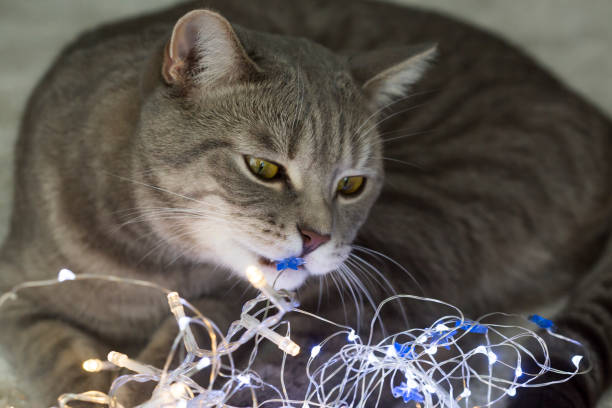
To prevent your Cat from Chewing Electrical Cords, you must address this hazardous habit immediately, as it poses a severe risk of electrocution or fire. This oral fixation often stems from underlying boredom, teething discomfort, or anxiety, requiring a proactive mix of behavior redirection and environmental enrichment.
Curbing your Cat from Chewing Electrical Cords is vital because this habit risks fatal shocks and expensive damage to your home’s electronics. By implementing cord protectors, using bitter deterrent sprays, and providing safe chew toys, you can effectively redirect their gnawing instincts toward healthier outlets while ensuring a secure environment.
Reasons for Cat from Chewing Electrical Cords
The biological drive behind a Cat from Chewing Electrical Cords remains somewhat of a puzzle to many pet owners. Some experts suggest that these long, thin wires mimic the movement of a prey’s tail, triggering a natural hunting reflex that compels your feline to pounce, bite, and persistently gnaw.
To break this cycle, you must introduce interactive play that satisfies their predatory instincts safely. Combining environmental changes with a better understanding of these primal triggers is essential for keeping your pet safe while protecting your home’s expensive wiring and electronic devices.
Obsessive-Compulsive Disorder
Certain breeds are more prone to a Cat from Chewing Electrical Cords, particularly Siamese and Burmese varieties that exhibit obsessive-compulsive tendencies. These specific felines often develop an intense, repetitive drive to suck, gnaw, or consume non-food items, turning common household wires into dangerous targets for their oral fixation.
To manage these genetic predispositions, owners should provide high-fiber diets or specialized dental treats that satisfy the urge to chew. Consulting with a veterinarian can also help determine if specialized behavioral therapy or anxiety-reducing environmental changes are necessary to keep your pet safe and healthy.
While you may primarily notice a Cat from Chewing Electrical Cords, this habit often accompanies a broader spectrum of mysterious compulsive behaviors. Experts remain puzzled as to why specific felines develop unique combinations of repetitive actions, such as excessive grooming or pacing, alongside their dangerous fixation on gnawing through household wiring.
To effectively manage these complex patterns, it is crucial to observe your pet’s daily routine for subtle signs of distress or agitation. Implementing a structured environment with predictable feeding times and consistent play sessions can significantly reduce the anxiety that often fuels these unpredictable and hazardous obsessive-compulsive tendencies.
- Early signs of OCD often include repetitive tail chasing and self-injurious behavior, particularly directed at the tail.
- It’s also common for cats to overgroom, licking and chewing their fur so intensely that it begins to fall out in patches.
- “Wool sucking” involves compulsive fabric sucking, licking, or chewing. The exact cause of this behavior remains unclear, though factors like early weaning from the mother are often cited. Additionally, genetics may play a role, particularly in cats with Siamese ancestry ” .
- Cats with OCD might also experience feline hyperesthesia, a condition often marked by twitching or rippling skin and episodes of self-harm .
Dental Issues
To manage oral pain, many cats resort to gnawing on objects as a natural soothing mechanism. With dental disease affecting an overwhelming 50% to 90% of cats once they pass four years old, proactive care is essential. Prioritizing routine veterinary checkups and professional cleanings can prevent minor issues from escalating into chronic discomfort, ensuring your feline companion maintains a healthy, pain-free mouth throughout their adult life.
Boredom or Inactivity
Senior cats often grapple with a mix of physical and mental hurdles that trigger unusual chewing habits. As mobility declines due to age-related conditions like osteoarthritis, their world naturally shrinks. This sudden sedentary lifestyle frequently leads to profound boredom and stress. To cope with the frustration of a limited environment, many elders turn to repetitive chewing as a sensory outlet for their pent-up anxiety.

Medical Issues
As cats grow older, underlying metabolic conditions like hyperthyroidism can boost their energy levels and trigger unusual behaviors, including excessive chewing. This may increase the risk of a Cat from Chewing Electrical Cords. A veterinary blood screening can help detect such treatable health issues, which, once managed, may significantly reduce or completely stop this dangerous chewing habit.
Pica
Pica refers to a condition where cats feel compelled to chew or consume non-food items like paper, plastic, dirt, or hair ties that offer no nutritional benefit. This behavior can increase the risk of a Cat from Chewing Electrical Cords. While deficiencies like low iron may play a role, it is more commonly linked to boredom, stress, or behavioral issues in cats.
How to Stop Chewing
If your cat shows unusual chewing habits, schedule a visit with a veterinarian to identify any hidden medical or behavioral issues. Early diagnosis can help prevent complications, including risks related to a Cat from Chewing Electrical Cords. While awaiting professional guidance, ensure your home is safe by limiting access to hazardous objects and supervising your cat closely.
- Protect your electrical wires by enclosing them in sturdy PVC tubing or securing them firmly with electrical tape so they stay in place. Reducing movement makes cords far less appealing to curious cats. These simple precautions can discourage chewing behavior and help create a safer environment by preventing your pet from being tempted to play with or bite into exposed cables.
- Consider using a motion-activated, pet-safe deterrent designed to keep cats away from restricted areas. These devices respond to movement by releasing a gentle burst of air, a soft hissing sound, or other harmless noises that startle without harming. This can effectively redirect your cat’s attention and discourage it from approaching cords or other off-limits objects.
- Provide your cat with safe chewing options like sturdy cardboard pieces or specially designed dental treats made for feline use. Many products endorsed by the Veterinary Oral Health Council help reduce tartar buildup while satisfying your cat’s natural urge to chew, encouraging healthier habits and steering them away from unsafe items around the home.
- Increasing digestible fiber in your cat’s diet can sometimes reduce or even eliminate excessive chewing habits, including risks linked to a Cat from Chewing Electrical Cords. Adding fresh greens like lettuce or green beans, or choosing commercial hairball-control formulas, may help satisfy digestive needs and curb this behavior by keeping your cat feeling fuller and more content.
- Lowering your cat’s stress levels can help reduce destructive chewing, including risks linked to a Cat from Chewing Electrical Cords. Try using synthetic feline pheromones to create a calming environment. Additionally, keep the litter box clean and provide plenty of toys and interactive playtime to prevent boredom, ensuring your cat stays mentally stimulated and emotionally balanced.
Related : The Ultimate Guide to Bengal Cats: Profiles, Traits, and Care Tips
FAQs: Cat from Chewing Electrical Cords
1. Why does my cat chew electrical cords?
Cats may chew cords due to boredom, anxiety, teething (in kittens), or conditions like pica. Addressing these causes can help protect your Cat from Chewing Electrical Cords and reduce risky behavior.
2. Is it dangerous if my cat chews electrical cords?
Yes, it can be very dangerous. Chewing cords may cause electric shocks, burns, or even fatal injuries. Preventing access is essential to keep your Cat from Chewing Electrical Cords safe.
3. How can I stop my cat from chewing electrical cords?
You can cover cords, use deterrent sprays, provide chew-safe alternatives, and keep your cat mentally stimulated. These steps are effective in protecting your Cat from Chewing Electrical Cords.
4. Are there safe alternatives to keep my cat busy?
Yes, offer toys, cardboard, and dental treats to satisfy chewing urges. Keeping your cat engaged helps prevent harmful habits like chewing wires and protects your Cat from Chewing Electrical Cords.
5. When should I consult a vet about this behavior?
If chewing becomes frequent or obsessive, consult a veterinarian. They can identify underlying health or behavioral issues and help you better safeguard your Cat from Chewing Electrical Cords.