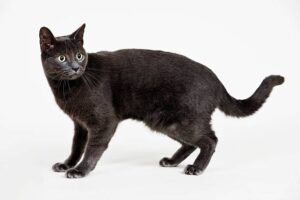
True to its name, the Havana Brown is celebrated for its chocolate-toned fur, yet its history actually begins in 1950s England rather than the Caribbean. This geographic misnomer remains a charming mystery, likely stemming from either the similarly colored Havana rabbit or the deep, earthy pigments found in Cuban tobacco leaves. This unique blend of British heritage and exotic naming creates a feline that is as intellectually intriguing as it is visually striking, captivating enthusiasts who appreciate both its refined silhouette and its enigmatic, warm-toned legacy.
Characterized by their moderate build, Havana Brown cats are remarkably social creatures that radiate warmth, playfulness, and a deep-seated affection for their companions. Far from being detached or solitary, these felines possess an insistent need for human proximity, often using their paws with surprising dexterity to gently tap or reach out for attention. This breed thrives on interaction, seamlessly integrating into households by forming strong, cuddly bonds with both their human family and other resident cats. Their sweet, people-oriented nature makes them exceptional companions for those who can provide the constant engagement they crave, ensuring they never feel sidelined in the daily rhythm of the home.
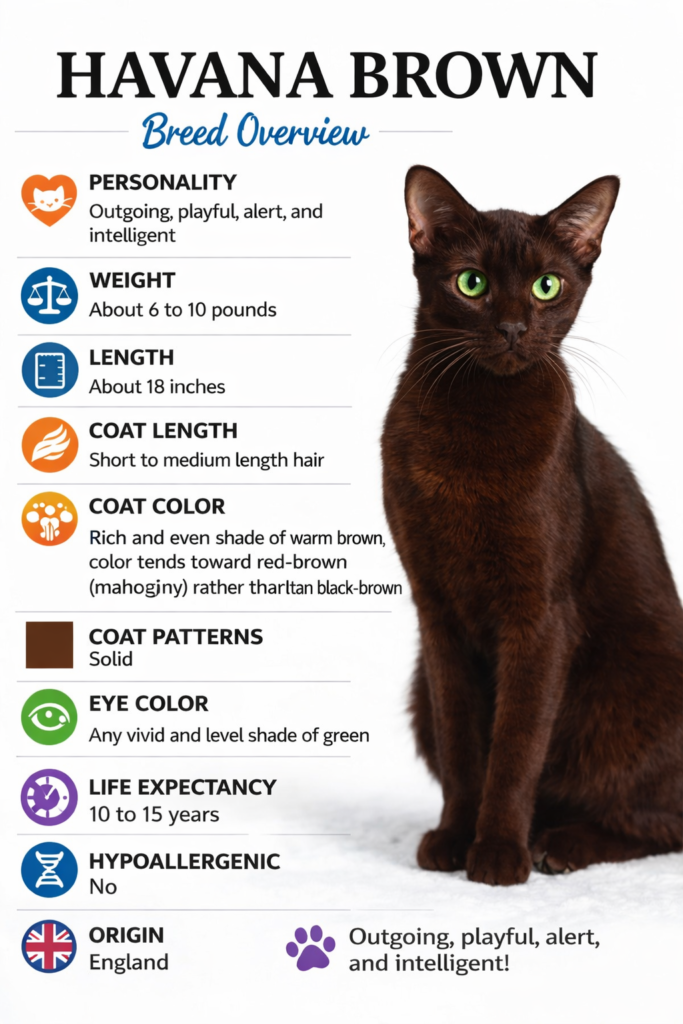
Havana Brown Characteristics
While individual temperaments naturally vary, the Havana Brown is typically defined by an inquisitive, gregarious nature and a genuine fascination with every household activity. These cats thrive on human engagement, whether they are vibrating with contented purrs on a warm lap, chasing ribbons with athletic grace, or indulging in the simple luxury of a thorough grooming session.
This adaptable breed is remarkably inclusive, extending its friendship to other feline residents and even well-behaved canine companions when their primary owners are busy. Their gentle and patient disposition also makes them wonderful playmates for children, as they rarely shy away from the lively energy of a busy family home. Because they view themselves as integral members of the family unit, they are happiest when involved in the daily ebb and flow of domestic life, offering a loyal and spirited presence that enriches any living environment.
Boasting a sturdy yet lithe physique, the adult Havana Brown possesses a medium-sized, muscular frame that translates into an effortless and fluid grace whenever they are in motion. When these inquisitive felines aren’t busy exploring every corner of their environment or seeking out social interaction, they retreat into their other great passion: indulging in deep, restorative slumber .
You will frequently discover them curled up in a tight ball on a plush pillow or claiming a favorite armchair as their own, showcasing a talent for finding the most comfortable spots in the house. This striking balance between athletic prowess and a genuine love for relaxation makes them a truly versatile domestic companion. Whether they are leaping through the air during play or snoring softly in a sunbeam, their elegant presence adds a sense of sophisticated charm and tranquil warmth to any living space they inhabit .
| Affection Level | High |
| Friendliness | High |
| Kid-Friendly | High |
| Pet-Friendly | High |
| Playfulness | High |
| Intelligence | High |
| Exercise Needs | Medium |
| Energy Level | Medium |
| Tendency to Vocalize | Medium |
| Amount of Shedding | Low |
History of the Havana Brown Cat
To uncover the true lineage of the Havana Brown, we must journey back to the twilight of the 19th century in England. During this era, solid-toned felines, then known as “self-browns,” began appearing in British exhibitions under exotic titles like the “Swiss Mountain Cat.” While these elegant cats shared the slender, sophisticated silhouette of the Siamese, they were distinguished by their striking emerald-green eyes rather than the traditional sapphire blue. This historical period served as the foundational bedrock for the breed, marking the first time breeders deliberately sought to isolate and celebrate that specific, mahogany-colored coat. Their unique aesthetic stood out in the early competitive circuits, fascinating Victorian cat enthusiasts who were drawn to their unusual, earthy charm and the mysterious allure of their non-traditional eye colouration.
Historical accounts suggest that in 1920, the Siamese Cat Club of Britain mandated that only blue-eyed felines could officially be recognized as Siamese, effectively sidelining those with green eyes. This decree caused solid-brown cats to gradually fade from the spotlight until the 1950s, when a dedicated group of English breeders sought to revive this forgotten lineage. By meticulously studying complex color genetics and conducting controlled breeding trials, these enthusiasts successfully rediscovered the biological blueprint for the self-brown coat. Their persistent efforts ensured that this unique mahogany aesthetic wasn’t lost to history, ultimately paving the way for the modern Havana Brown to flourish once again in the competitive show circuit.
The lineage of the Havana Brown achieved a breakthrough when a self-brown kitten named Praha Gypka emerged from a cross between a solid black shorthair and a chocolate-point Siamese. Simultaneously, an unintended pairing involving a seal-point Siamese produced Elmtower Bronze Idol, the historic male who became the first registered Havana Brown and the celebrated progenitor of the entire breed.
Following formal recognition in England, the name transitioned to “Chestnut Brown” or “Chestnut Brown Oriental,” reflecting a physical structure that aligns closely with the modern Oriental profile. In many international regions today, the breed is simply called the Havana, existing essentially as a chestnut-coloured Oriental. This distinction highlights how geographic preferences can reshape a breed’s identity over decades of selective breeding.
In the United States during the mid-20th century, breeders cultivated a distinct version of the Havana Brown, prioritizing a more moderate, muscular frame over the extreme svelteness seen elsewhere. This American standard features a unique head shape with a prominent muzzle and striking, wide-set green eyes. The hallmark of the breed remains its uniform mahogany coat, complete with matching brown whiskers, nose leather, and paw pads. While the Cat Fanciers’ Association and Canadian Cat Association maintain the “Havana Brown” title, The International Cat Association opts for the shorter “Havana,” illustrating the subtle yet significant variations in how this mahogany feline is classified across the global fancy.
Havana Brown Care
Maintaining the Havana Brown’s sleek, short-haired coat is an effortless task that requires only a basic weekly grooming routine. Utilizing a soft slicker or rubber curry brush effectively clears away loose fur, while a final polish with a chamois cloth ensures a radiant, high-gloss finish.
Beyond coat care, it is essential to keep their claws neatly trimmed and perform weekly ear inspections to ensure continued health. Should you notice any debris, a gentle pet-safe cleanser applied with a cotton ball is sufficient, but avoid using swabs which can cause internal damage. Because this breed is generally low-maintenance, these simple steps allow you to spend less time on chores and more time bonding with your affectionate companion. However, always consult a veterinarian if you observe redness, persistent scratching, or unusual head shaking, as these signs may indicate an underlying ear infection requiring professional medical attention.
Naturally spirited and inquisitive, Havana Browns possess a boundless energy that is easily channeled through daily enrichment and interactive play sessions. To keep their sharp minds and lithe bodies engaged, you should introduce various toys several times a day, initiating lively games that cater to their predatory instincts. Interestingly, this breed is notably frisky, with many individuals displaying the dog-like habit of enthusiastically playing fetch with small objects or plush toys.
Because they are natural explorers who love to survey their kingdom from above, it is vital to provide ample vertical space, such as multi-level cat trees, specialized wall shelving, or cozy kitty condos. These elevated perches allow them to satisfy their climbing urges while feeling secure in their environment.
Furthermore, scratching serves as an essential physical outlet that stretches their leg and paw muscles while maintaining optimal claw health. To protect your furniture and support this instinctive behavior, offer a diverse selection of scratching surfaces. This should include sturdy vertical posts for full-body stretching and horizontal cardboard or sisal mats for grounded scratching, ensuring your Havana Brown has every opportunity to express its vibrant personality within the safety of your home.
Common Health Problems
While it is a universal truth that any feline can encounter medical challenges throughout its life, certain pedigreed breeds are statistically more susceptible to specific hereditary or congenital conditions. Remarkably, the Havana Brown stands out as a particularly robust breed with no documented predisposition to any unique health issues or genetic ailments.
This inherent hardiness makes them a fantastic choice for families seeking a low-risk companion, yet it remains prudent to exercise due diligence during the adoption process. Always aim to purchase a kitten from a reputable breeder who provides a comprehensive health guarantee, as this professional assurance protects your investment and ensures your new pet has received the best possible start in life. Such proactive measures, combined with the breed’s naturally strong constitution, help guarantee that your mahogany companion remains a vibrant and thriving member of your household for many years to come.
Appearance Of Havana Brown
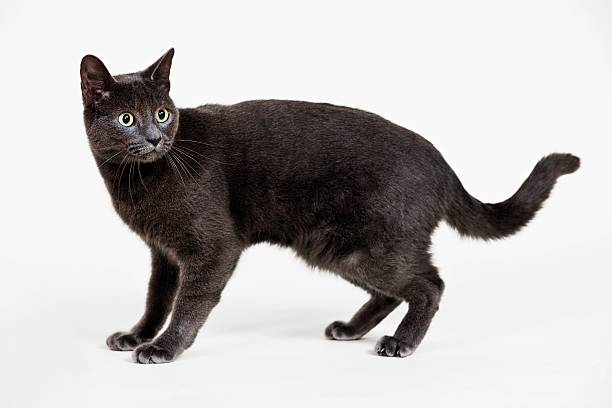
Distinguished by its radiant, mahogany-toned fur, the Havana Brown presents a truly remarkable aesthetic, featuring a uniform warmth that extends from the tips of its ears to the very end of its tail. This monochromatic elegance is so complete that even the feline’s whiskers and nose leather share the same deep brown hue.
While it is common for kittens and young adults to display subtle “ghost” tabby markings, these faint patterns typically vanish as the cat matures into its full, solid-colored glory. Though the coat is generally characterized as short and sleek, slight variations in texture or length may occur among individuals. This consistent, earthy coloration combined with a glossy finish gives the breed a sophisticated, polished appearance that is rarely matched by other felines, making them a captivating sight for any cat enthusiast who appreciates rare and refined beauty.
An equally defining characteristic of this breed is its mesmerizing green eyes, which provide a vivid and electrifying contrast against its dark, chocolatey fur. While breed standards accept any level shade of bright green, deeper and more saturated tones are highly prized, with some individuals sporting spectacular emerald-green gazes that appear almost luminous. This striking facial feature is complemented by a slightly triangular head shape, an elegant physical trait that serves as a sophisticated tribute to the breed’s ancestral Siamese lineage.
Physically, male Havana Brown typically possess a more substantial frame than their female counterparts, yet both genders exhibit a lithe, muscular build supported by long, graceful limbs and a slender tail that perfectly balances their medium-sized silhouettes. Although their short, sleek coats are known for minimal shedding compared to many other felines, they are not considered a hypoallergenic breed. This combination of athletic proportions and intense, jewel-toned eyes creates a cat of singular beauty, offering a refined aesthetic that appeals to those who admire a pet that looks as agile and high-spirited as it truly is.
Diet and Nutrition of Havana Brown
Havana Browns possess a hearty appetite and a genuine love for mealtime, which means owners must be vigilant to ensure they don’t overindulge and become overweight. Maintaining a lean, athletic physique is crucial for this breed, as it serves as a primary defense against debilitating weight-related conditions such as feline diabetes, heart disease, and painful arthritis.
To manage their caloric intake effectively, it is best to provide measured portions of high-quality cat food at specific intervals, typically twice daily for adults. Avoid the common pitfall of “free feeding,” as leaving a bowl out all day encourages mindless snacking and is a significant contributor to feline obesity. If you find yourself uncertain about the best nutritional path for your companion, seeking professional guidance from a veterinarian or an experienced breeder can provide a tailored diet plan. This proactive approach to nutrition ensures your mahogany-coated friend remains agile, healthy, and full of life, preventing the slow onset of metabolic issues that can arise from a sedentary, overfed lifestyle.
Where to Adopt or Buy a Havana Brown Cat
Given its status as an exceptionally rare breed, sourcing a Havana Brown kitten can be a significant challenge for even the most dedicated enthusiast. Your most effective strategy is to attend local cat shows, which serve as vibrant hubs where you can connect directly with reputable breeders and experience a diverse array of feline beauty in one location.
These events are easily located through a quick online search or by consulting The Cat Fancier’s Association’s global event directory. Because these mahogany-coated treasures are so scarce and highly prized, they are almost never found in traditional rescue shelters. This rarity means that prospective owners must often exercise great patience and persistence, potentially joining long waiting lists or traveling significant distances to secure a kitten from a certified professional who prioritizes the breed’s unique heritage and health.
Havana Brown Overview
Radiating beauty, intelligence, and a playful spirit, the Havana Brown is a charismatic companion that effortlessly captures the hearts of those it meets. These sleek, mahogany-coated felines, famous for their piercing green eyes, thrive on constant interaction and integrate seamlessly into diverse households, forming deep bonds with people of all ages and other resident pets. An added benefit is their minimal shedding, and while they still require light weekly grooming, most Havana Browns genuinely relish the extra attention and physical touch that comes with being brushed.
Advantages
- Warm and Devoted: They are exceptionally friendly and thrive on affectionate physical contact.
- Highly Gregarious: These cats generally enjoy the company of other feline housemates.
- Easy Maintenance: Their short, glossy coats produce very little loose fur around the home.
Disadvantages
- Prone to Separation Anxiety: They struggle with loneliness and do not cope well if left solo for long periods.
- High Engagement Needs: This breed demands significant time, energy, and interactive play from its owners.
- Exclusivity: Due to their status as a rare breed, finding an available kitten often requires extensive searching and patience.
Related : The Ultimate Guide to Bengal Cats: Profiles, Traits, and Care Tips
🐱 Havana Brown Cat FAQs
1. What is a Havana Brown cat known for?
The Havana Brown is known for its rich chocolate-colored coat, striking green eyes, and affectionate personality. This breed is highly social, intelligent, and enjoys constant interaction with its owners.
2. Are Havana Brown cats good with families and children?
Yes, Havana Brown cats are friendly and gentle, making them great companions for families. They usually get along well with children and enjoy being part of daily activities.
3. Do Havana Brown cats get along with other pets?
Havana Browns are sociable and adaptable. They generally get along well with other cats and even dogs, especially when introduced properly.
4. How active are Havana Brown cats?
They are moderately active and playful. Havana Browns enjoy interactive toys, games, and mental stimulation, but they also love relaxing with their owners.
5. Do Havana Brown cats require a lot of grooming?
No, their short coat is low-maintenance. Weekly brushing is usually enough to keep their coat healthy and shiny.
6. Are Havana Brown cats prone to any health issues?
Havana Browns are generally healthy, but like all breeds, they may be prone to some genetic conditions. Regular vet checkups and a balanced diet help maintain their health.
7. How long do Havana Brown cats live?
The average lifespan of a Havana Brown cat is around 12 to 15 years, though some may live longer with proper care.
8. Are Havana Brown cats vocal?
They are moderately vocal. Havana Browns communicate with soft, pleasant sounds rather than loud or constant meowing.