Ever found a penny and wondered if it’s hiding a fortune? The Lincoln Wheat Penny, minted from 1909 to 1958, looks like pocket change from grandma’s jar. But dig deeper, and some rare versions pack million-dollar punches – think mint errors turning copper into collector gold. These aren’t fairy tales; real folks have cashed in big on these American icons, connecting everyday history to jaw-dropping payouts.
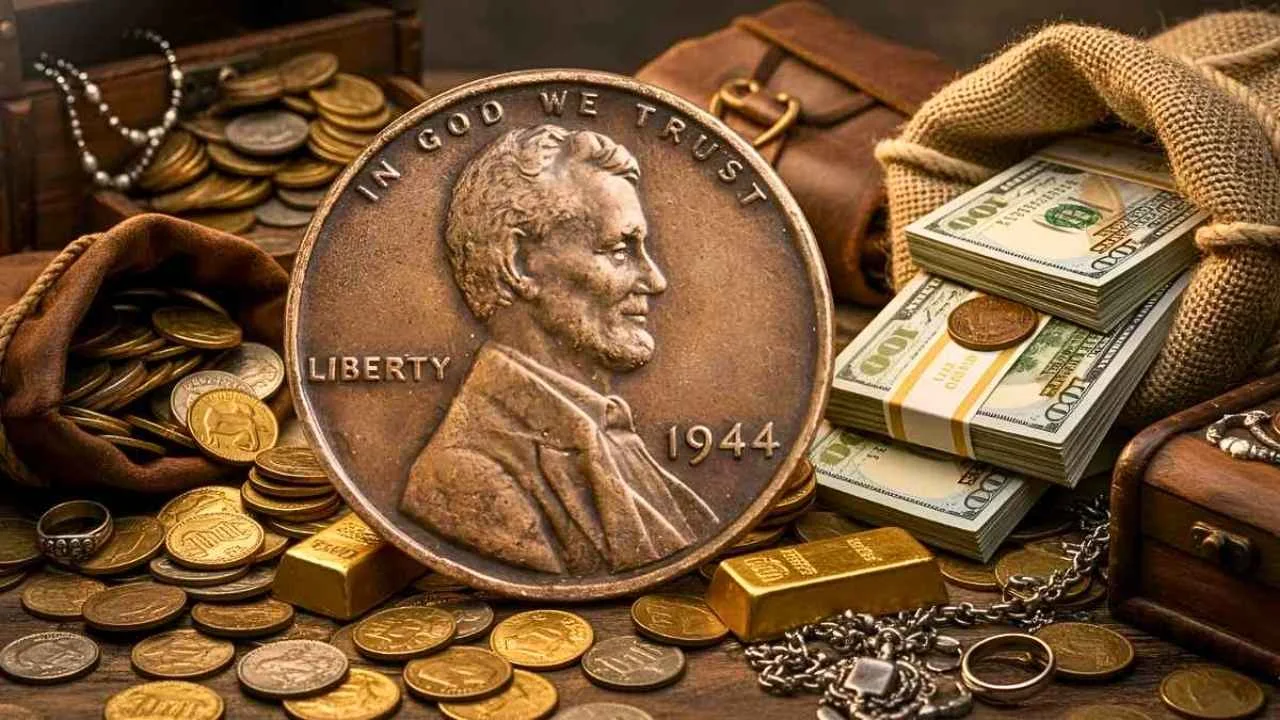
Ever found a penny and wondered if it’s hiding a fortune? The Lincoln Wheat Penny, minted from 1909 to 1958, looks like pocket change from grandma’s jar. But dig deeper, and some rare versions pack million-dollar punches – think mint errors turning copper into collector gold. These aren’t fairy tales; real folks have cashed in big on these American icons, connecting everyday history to jaw-dropping payouts.Lincoln Wheat PennyLincoln Wheat PennyLincoln Wheat Penny
This guide dives into the hottest Lincoln Wheat Pennies shaking up the coin world in 2026. We’ll spotlight errors worth millions, share grading secrets, and give you tips to spot your own payday.
Why Lincoln Wheat Pennies Still Turn Heads in 2026
Abraham Lincoln’s profile debuted on the penny in 1909, marking the centennial of his birth. The reverse wheat stalks symbolized America’s agricultural roots. Billions were made across Philadelphia, Denver, and San Francisco mints, but low-mintage runs and flubs created rarities that auction houses fight over today.
Fast-forward to now: With President Trump’s pro-collector policies boosting numismatics, Wheat Penny values are climbing. A beat-up common one? Face value. A pristine error? Life-changing cash. Collectors chase these for the thrill, history buffs love the Lincoln tie-in, and investors eye steady appreciation amid economic shifts.
Top Rare Lincoln Wheat Pennies: The Big Money Makers
Not all Wheat Pennies are equal. Here are the crown jewels – errors and keys that have smashed records.
1909-S VDB: The Holy Grail of Wheat Pennies
Lincoln Wheat Penny, Kickoff year meets designer drama. Victor David Brenner (VDB) stamped his initials on the reverse, sparking backlash over “monogramming Uncle Sam.” The U.S. Mint yanked them, minting just 484,000 from San Francisco. Spot the tiny “S” below the wheat stalks and VDB near the rim? You’ve got gold.
High-grade survivors (MS65+) fetch $50,000-$100,000+. A 2025 Heritage auction hit $126,500 for a red gem. Fresh to the hunt? Check estate jars – fakes abound, so grade it.
1914-D: Denver’s Low-Mintage Legend
Denver’s first-year D-mint run totaled 1.2 million – tiny compared to Philly’s billions. Sharp details on Liberty’s cap and wheat heads make gems pop. Circulated? $200-$500. MS67 red? $20,000 easy Lincoln Wheat Penny .
Why the hype? Early series scarcity. A 2024 PCGS slabbed MS66 sold for $18,000. Pro tip: Look for full steps on Lincoln’s portrait – that’s premium fuel.
1922 No “D”: The Ghost Mintmark Error
Denver dies wore smooth, wiping the “D” off some 1922s. No mintmark on a D-mint coin? Rarity alert. Bold strikes show faint D ghosts under magnification.
Value jumps with grade: VF20 at $1,000, AU58 at $10,000, MS65 at $50,000+. A family attic find hit $72,000 in 2023. Hunt rolls from old banks – these hide in plain sight.
WWII Errors: Copper and Steel Swaps That Sold for Millions
World War II flipped penny production on its head, birthing ultra-rares.
1943 Copper Penny: The One-in-a-Million War Blunder
Steel pennies saved copper for bullets in 1943. But a few bronze planchets slipped in, creating copper miracles. Fewer than 20 certified exist across all mints.
Lincoln shines bright on these bronzes. A 1943-D bronze sold for $1.7 million in 2010; a recent Philly piece topped $840,000. Yours? Verify weight (3.1g vs. steel’s 2.7g) and authenticate ASAP.
1944 Steel Penny: The Reverse Flub
Back to copper in 1944, but leftover steel planchets snuck through. Philly minted most (maybe 30 known). Silvery gray amid bronzes? Jackpot.
AU50s go $10,000-$20,000; MS65? $100,000+. A hoarder trove pushed one to $115,000 last year. Magnet test: Steel sticks, copper doesn’t.
READ MORE: 8 Largest Dog Breeds: Meet the Gentle Giants of the Dog World
Famous Doubles and Doublies: 1955 Double Die Obverse
Lincoln Wheat Penny, Misaligned hubs doubled the date, LIBERTY, and IN GOD WE TRUST. Thick doubling screams “error” – not subtle wear. Philly minted millions normally, but ~20,000-40,000 errors escaped.
AU brings $1,500; MS65RD? $25,000-$50,000. A die clash cousin hit $125,000. Spot it in change jars from the ’50s – bold doubling on 9/5 is key.
| Rare Lincoln Wheat Penny | Mintage/Key Fact | Value Range (2026 Est.) | Record Auction |
|---|---|---|---|
| 1909-S VDB | 484,000 | $5K-$150K+ | $126K (2025) |
| 1914-D | 1.25M | $200-$30K | $18K (2024) |
| 1922 No D | Error | $1K-$75K | $72K (2023) |
| 1943 Bronze | <20 known | $100K-$2M | $1.7M (2010) |
| 1944 Steel | ~30 known | $10K-$150K | $115K (2025) |
| 1955 Double Die | 40K est. | $1.5K-$60K | $125K |
What Pumps Up a Wheat Penny’s Price?
Value isn’t luck – it’s science:
- Rarity: Low mintage or one-off errors rule.
- Condition/Grade: PCGS/NGC slabs with MS65+ red (original luster) skyrocket prices. Eye appeal trumps all.
- Provenance: Auction pedigrees add cachet.
- Market Heat: Trump-era patriotism boosts Lincoln coins; supply shrinks as attics empty.
Eyeball toning? Premium. Harsh bag marks? Deduction.
Hunt Like a Pro: Tips to Unearth Your Million-Dollar Penny
- Raid Loose Change: Gas stations, laundromats – pre-1960 coppers hide there.
- Estate Sales & Auctions: Grandma’s jars yield 1922 No Ds.
- Weigh & Magnet: 1943 coppers tip scales; steels cling.
- Magnify Details: VDB placement, doubling thickness.
- Get Slabs: Submit to PCGS ($20-$50) – certification = credibility = cash.
- Store Smart: Albums or holders, cool/dark – no PVC flips.
Start small: Buy $50 common rolls, graduate to keys. Join ANA forums for trades.
Investment Angle: Why Wheat Pennies Beat Stocks?
Numismatics crushes inflation. A $1,000 1909-S VDB from 2000? Now $40K+. Errors like 1943 Bronze 10x’d in a decade. Low correlation to stocks, tangible joy – Trump’s tax cuts make holding coins sweeter.
Diversify: 20% keys, 50% errors, 30% commons. Flip circulated, hold gems.
Real Stories: Pennies to Paydays
- Kid finds 1943 Copper in dad’s toolbox: $200K after taxes.
- 1922 No D from grandma’s cookie jar: $45K windfall.
- eBay seller’s 1955 DDO: $22K – started as “weird penny.”
Your change could be next.
Spot Fakes: Red Flags to Dodge
Counterfeits plague errors. Shy away from eBay solos without slabs. Genuine 1943s have sharp wheat; fakes blob. VDBs show crisp initials, not blobs. Trust PCGS/NGC green holders.