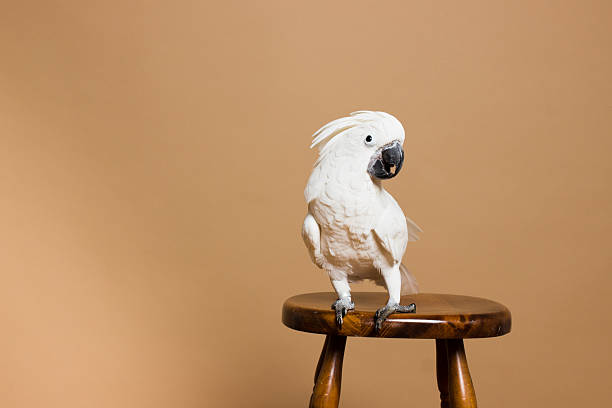
By : Anuj || Published on 28/03/2026
Researchers have extensively analyzed animal cognition, proving that avian species frequently top the rankings of the world’s smartest birds. Among them, specific parrot breeds popular as companions showcase cognitive abilities that far surpass others. These smartest birds exhibit remarkable problem-solving skills and emotional depth, making them stand out as the most intellectually advanced options for dedicated pet owners.
1. African Grey Parrot
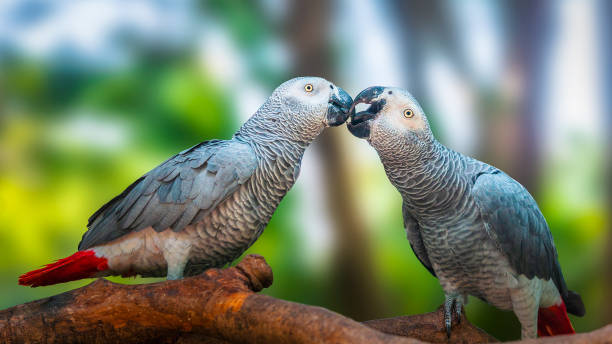
The African Grey is widely celebrated as one of the smartest birds ever documented, largely due to the legendary work of Dr. Pepperberg and her parrot, Alex. Before Alex’s 100-word vocabulary and complex reasoning skills became famous, avian research was limited. Today, these smartest birds are known to possess the cognitive depth of a young child.
The African Grey is famously hailed as one of the smartest birds in history, primarily because of Dr. Pepperberg’s groundbreaking research with her companion, Alex. Before his incredible vocabulary and logic became known, bird intelligence was largely underestimated. Today, these smartest birds are celebrated for possessing the emotional and cognitive complexity of a five-year-old child.
While some skeptics claim Alex’s brilliance was merely repetitive training rather than genuine insight, his exceptional performance remains unmatched by most companion species. His legacy has cemented the status of African Greys as the world’s smartest birds. Consequently, these smartest birds demand continuous cognitive challenges and interactive engagement to prevent boredom and maintain their complex mental well-being.
2. Macaws
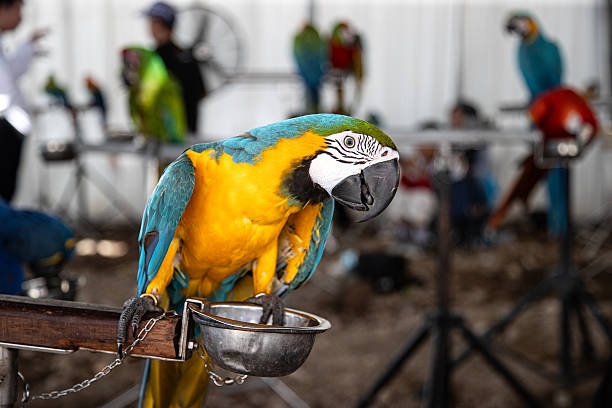
Beyond parrots like the African Grey, the macaw family includes diverse species, most notably the massive Hyacinth macaw, which holds the title of the world’s longest parrot. These Smartest birds are renowned for their remarkable cognitive abilities, often likened to the mental capacity and emotional complexity of a human toddler.
Their intellect is showcased through sophisticated problem-solving skills and the intentional use of tools to navigate their environment. Furthermore, macaws possess a dynamic communication system; they interact through a complex array of vocalizations and unique physical cues, such as distinct facial blushing, which signals their emotional state to others in the flock.
A 2018 Canadian study of 98 avian specimens highlighted a major structural evolution that helps explain why parrots are among the smartest birds. Researchers found that the spiriform nucleus—a brain region that transfers data between the cortex and cerebellum—is significantly enlarged in parrots, measuring two to five times the size of that in a chicken.
.Functionally, this area mirrors the sophisticated neural circuitry found in primates, another group of exceptionally high-functioning mammals. This expansion suggests that parrots possess a unique neurological architecture designed for superior information processing. Experts believe this robust brain structure is the driving force behind their complex decision-making, allowing them to engage in intricate planning and the execution of highly advanced, purposeful behaviors that set them apart from most other bird species.
Read Also : Boxer Dog: All About Their Spirited Nature and Care Routine
3. Cockatoos
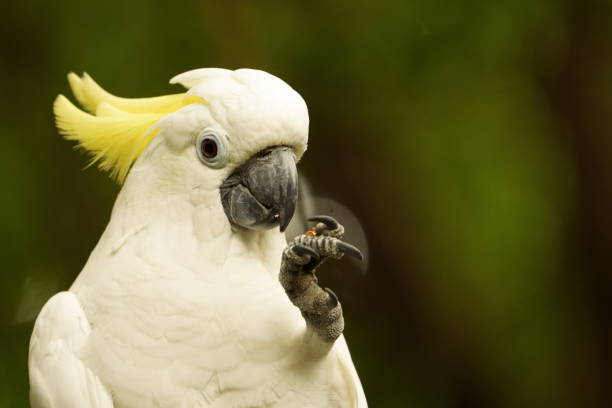
Cockatoos, a remarkable branch of the parrot family, have made history as the first avian species documented crafting musical instruments. In the Australian wild, palm cockatoos demonstrate rhythmic prowess by fashioning drumsticks from twigs and seed pods to perform percussive displays, while other cockatoo species exhibit a natural ability to sway in perfect synchronization with a musical beat.
Beyond their musicality, research from 2014 focused on the Goffin cockatoo to explore their grasp of object permanence—the cognitive realization that an item, such as a nut tucked away in a pocket, continues to exist even when hidden from view. This milestone, which human infants typically reach between 18 and 24 months, highlights a significant leap in mental maturity and abstract thought.
The findings confirmed that these small parrots possess spatial reasoning and memory retention skills that rival those of primates and young children. This level of awareness suggests that cockatoos do not just react to their immediate surroundings but maintain a complex internal map of their world. Consequently, their ability to track unseen objects proves that their intelligence is far more sophisticated than previously imagined, placing them among the world’s most cognitively gifted animals.
4. Budgerigars
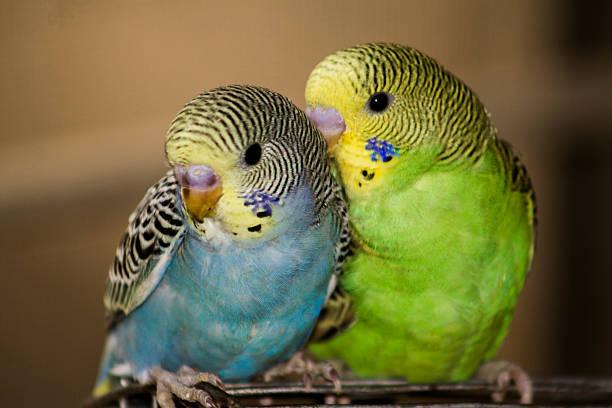
Though often dismissed due to their tiny stature, budgerigars—popularly known as budgies—possess intellectual capabilities that far outweigh their small physical frames. While the parrotlet holds the title of the absolute smallest Birds , the budgie remains a cognitive powerhouse among parakeets. Interestingly, they were the first non-mammal species to prove they could grasp elements of human language.
Research has shown that these birds can identify abstract patterns within sequences of meaningless words, a sophisticated linguistic skill previously thought to be exclusive to humans, monkeys, and rats. This mental flexibility puts their auditory processing on par with a seven-month-old human infant.
Such a discovery is groundbreaking because it suggests that the ability to decode complex structures isn’t limited to large-brained mammals. By recognizing these lexical stresses and phonetic nuances, budgies demonstrate a level of analytical thinking that challenges our traditional understanding of avian brainpower. Their success in these studies proves that size is no barrier to high-level communication and pattern recognition, firmly cementing the budgie’s reputation as a surprisingly brilliant member of the parrot family.
5. Conures
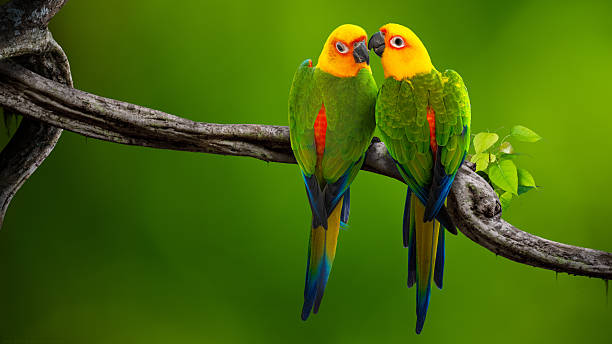
Much like the other feathered geniuses mentioned, conures represent a diverse group of parrots that consistently rank among the smartest birds kept as companions. Whether you are observing the playful antics of a Sun conure or the inquisitive nature of a Green-cheeked or Jenday, it is clear that these birds possess high-level cognitive needs.
To prevent boredom and foster their intellectual growth, a conure’s environment must be rich with mental stimulation, varied toys, and consistent social interaction. Because they are among the smartest birds, they thrive on problem-solving tasks and complex play that mimics their natural foraging behaviors. Without this vital enrichment and daily physical exercise, their active minds can become frustrated. Providing them with a rotating selection of puzzles and teaching them new tricks not only keeps them occupied but also showcases their incredible capacity for learning and emotional depth, ensuring they remain happy, healthy, and deeply bonded to their human flock.
6. Kea
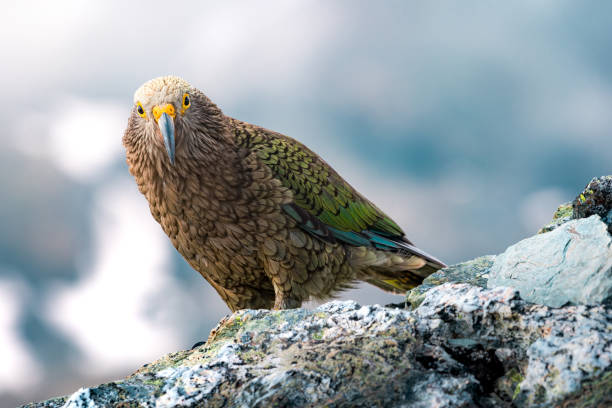
The Kea, a formidable parrot hailing from the alpine regions of New Zealand, is celebrated globally for its remarkably playful and curious temperament. Widely regarded as one of the smartest birds in existence, the Kea possesses a level of ingenuity that allows it to dismantle complex mechanical puzzles and creatively manipulate its rugged environment to secure difficult-to-reach food sources. Their problem-solving tactics often involve multi-step processes, showcasing a foresight and cognitive flexibility that is rarely seen in the animal kingdom.
Because they are among the smartest birds, Keas don’t just survive; they actively experiment with their surroundings, sometimes even collaborating with one another to achieve a common goal. This high level of social intelligence and adaptability is a testament to their evolutionary success in harsh climates. Whether they are investigating hikers’ gear or outsmarting elaborate scientific tests, these parrots prove that their mental agility is on par with primates. Their relentless drive to explore and understand the world around them confirms their status as elite thinkers, requiring constant mental engagement to satisfy their profound and restless intellectual curiosity.
7. European Magpie
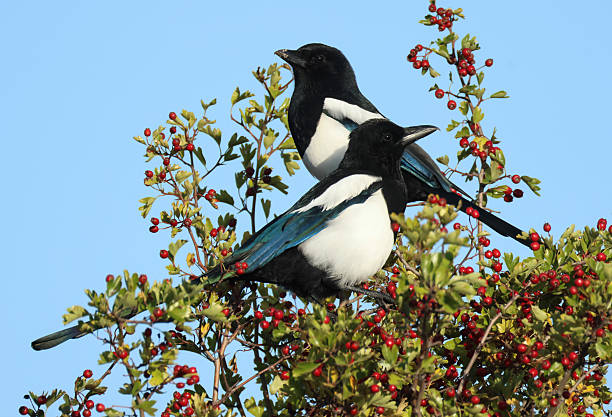
Magpies distinguish themselves as a rare non-mammalian species capable of passing the mirror self-recognition test, a benchmark that confirms a sophisticated level of self-awareness. This cognitive milestone, combined with their intricate social dynamics and the adept use of tools—like employing twigs as probes to extract hidden food—underscores their remarkable mental capacity.
As one of the smartest birds in the corvid family, their ability to perceive themselves as individuals suggests a depth of consciousness usually reserved for higher primates and dolphins. This self-recognition is likely linked to their complex survival strategies, which require them to predict the behavior of others within their large, competitive social groups. Furthermore, their innovative problem-solving skills in the wild demonstrate that they don’t just react to their environment but actively analyze and manipulate it to their advantage. Such profound intellectual traits prove that magpies possess a level of neurological sophistication that rivals many advanced mammals.
8. Pigeon
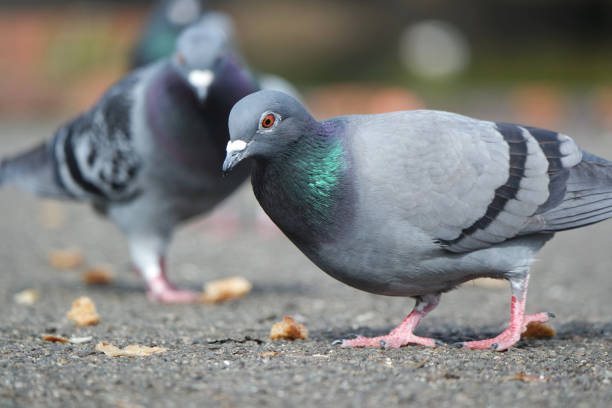
Pigeons exhibit extraordinary cognitive prowess, famously demonstrating the ability to recognize their own image in photographs and grasp complex abstract concepts. Often underestimated, these ubiquitous creatures have been successfully trained to execute intricate tasks that demand high-level reasoning, highlighting their profound adaptability and mental flexibility.
As some of the smartest birds in urban environments, pigeons can categorize objects, distinguish between different styles of human art, and even identify cancerous cells in medical scans with remarkable accuracy. This level of sophisticated information processing suggests that their neural pathways are far more advanced than once believed. Their spatial memory is equally legendary, allowing them to navigate vast distances using a combination of magnetic fields and landmarks. By mastering these intellectual challenges, pigeons prove that they belong among the smartest birds, possessing a unique brand of intelligence that allows them to thrive alongside humans in some of the world’s most complex settings.
Understanding Smartest Bird Intelligence: A Deeper Dive
Beyond the mere capacity for vocal mimicry or the mastery of complex puzzles, avian intelligence encompasses a vast array of sophisticated behaviors and mental processes. These cognitive traits offer a profound window into how birds navigate their environments and maintain intricate social relationships with one another. To fully appreciate their brilliance, we must look deeper into the nuances of their daily lives.
By examining their unique methods of communication, spatial memory, and adaptive survival strategies, we gain a more complete understanding of their mental world. These elements combined illustrate that birds are not just reactive creatures but are active, strategic thinkers capable of remarkably high-level cognition. Exploring these diverse facets reveals a level of complexity that places them among the most intellectually gifted inhabitants of our planet