By : Anuj || Published on 25/03/2026
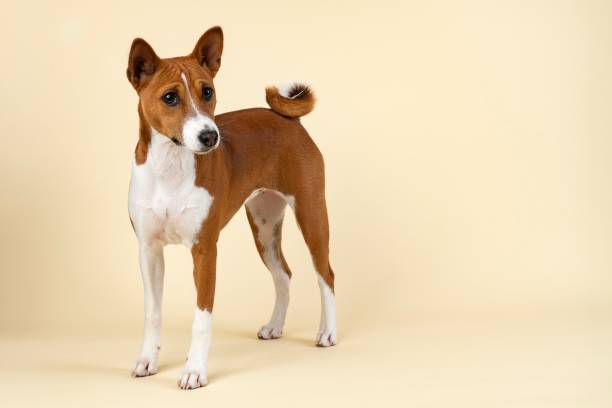
Originating from Central Africa, the Basenji is a compact, athletic hound celebrated for its sleek, odorless coat that rarely sheds, making it a pristine household companion. These dogs are defined by their distinctive upright ears, expressive almond eyes, a characteristically furrowed brow, and a tightly curled tail that rests elegantly over their back. Widely recognized as the “barkless dog,” they instead produce a unique, melodic yodel known as a “barroo” due to the specific shape of their larynx. While they are generally quiet and lack a typical canine scent, these spirited animals possess high energy levels and sharp minds, requiring dedicated owners who can provide significant daily exercise and diverse mental challenges to keep them truly satisfied and well-behaved.
Key Points
- While Basenjis are naturally low-maintenance regarding their coat care, they necessitate steady, patient training and early social exposure to ensure they develop into polite and well-adjusted companions
- Often referred to as the "barkless dog," Basenjis communicate through a series of distinctive yodels and chortles rather than standard barks, thriving best with energetic families who can satisfy their intense craving for consistent physical exercise and complex mental engagement
- Although typically a robust breed, Basenjis are susceptible to certain genetic conditions like thyroid imbalances and hip joint malformation, making consistent wellness exams with a veterinarian vital for their long-term health.
Characteristics of the Basenji
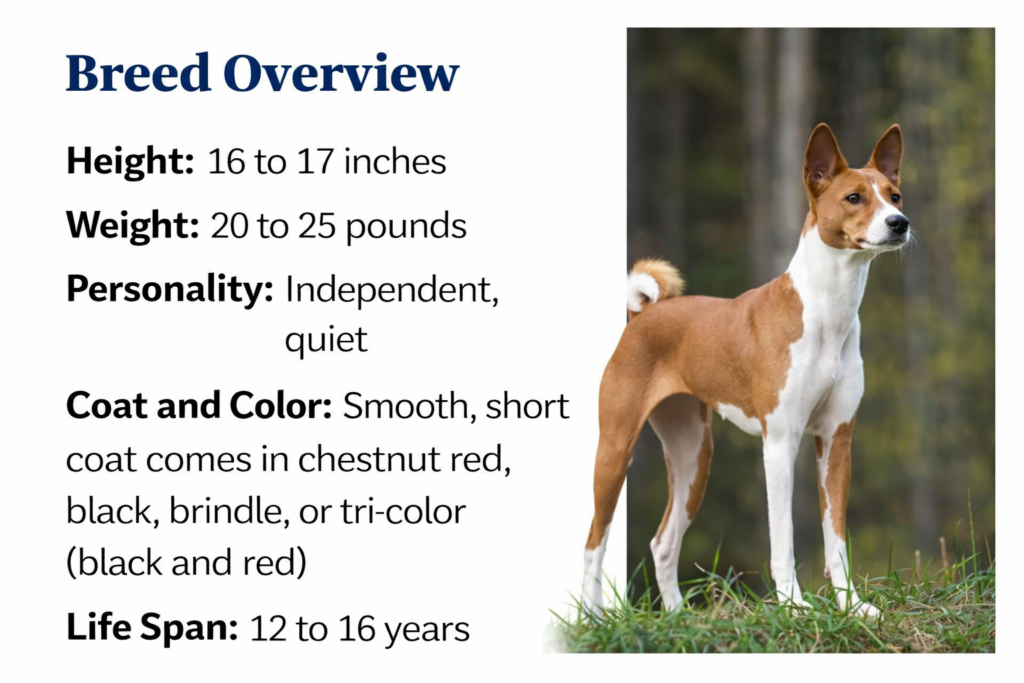
Known for their feline-esque temperament, Basenjis possess a fierce independence and a reserved, somewhat detached demeanor when meeting new people, often requiring patient socialization. These clever hounds typically pledge their loyalty to a specific person and meticulously maintain their appearance through self-grooming. Because they are exceptionally spirited and sharp-witted, they demand constant mental challenges and vigorous physical outlets to prevent them from becoming restless or destructive within the home.
| Exercise Needs | High |
| Energy Level | High |
| Intelligence | Medium |
| Playfulness | Medium |
| Pet-Friendly | Medium |
| Kid-Friendly | Medium |
| Friendliness | Medium |
| Affection Level | Medium |
| Trainability | Low |
| Tendency to Bark | Low |
| Amount of Shedding | Low |
History of the Basenji
The Basenji stands as a living relic of antiquity, possessing a lineage so profound that its likeness is immortalized in the sacred relics of Egypt, Babylonia, and Mesopotamia. These primitive dogs closely mirror the very first domesticated canines, having survived for millennia as semi-wild hunters in the secluded heart of Africa. This deep historical connection suggests that while other breeds were being shaped by human intervention, the Basenji remained a natural masterpiece of evolution.
This long-standing isolation effectively shielded the breed from modern crossbreeding, preserving the sharp instincts, fearless nature, and incredible athletic prowess that made them indispensable tracking partners for indigenous tribes in the Congo. In these dense rainforests, they were prized not just as pets, but as vital survival assets capable of flushing out game and navigating treacherous terrain with silent, predator-like precision.
Though they reached American shores in the early 20th century, establishing a stable population proved difficult due to their susceptibility to new diseases and their unique breeding cycle. This led to a relatively late official recognition by the American Kennel Club in 1944. Early fanciers faced significant hurdles in maintaining the breed’s purity while acclimating these wild-hearted hounds to a drastically different Western climate and lifestyle.
Today, they remain a rare and exotic sight in Western households, cherished by a niche community of enthusiasts who appreciate their famous “barroo” yodel and fastidious, cat-like demeanor. Unlike typical dogs that crave constant affirmation, the Basenji offers a sophisticated companionship based on mutual respect. Their independent streak and quiet presence make them a fascinating paradox—a wild spirit perfectly contained within a graceful, compact frame.
Ultimately, their journey from the silent shadows of the African rainforest to the modern living room is a testament to their enduring and unchanged spirit. They serve as a bridge to our distant past, reminding us of the original bond between humans and canines. To own a Basenji is to share your home with a piece of living history that refuses to conform to the expectations of the modern world.
Basenji Care
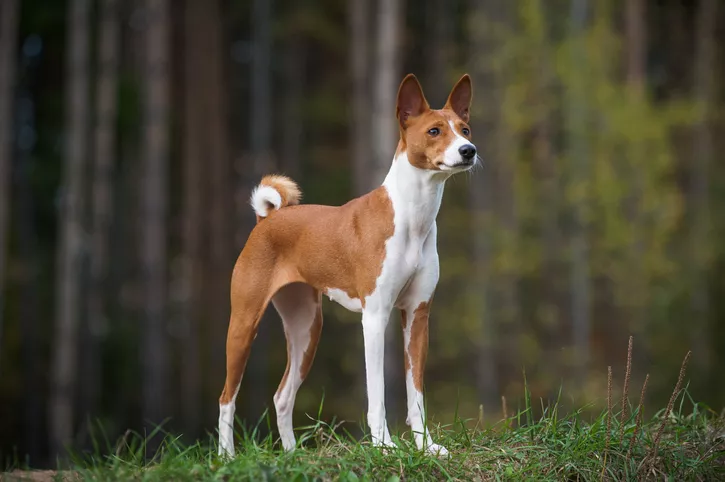
Maintaining a Basenji is remarkably simple due to their low-maintenance coats, yet it is absolutely critical to prioritize early, persistent training and broad social exposure to ensure they mature into polite and well-adjusted household companions. Beyond basic manners, these high-octane hounds demand a significant daily commitment from their owners; you must be ready to provide several hours of vigorous physical activity and creative mental enrichment to prevent the onset of destructive behaviors or chronic boredom within the home.
While their self-cleaning, cat-like grooming habits make them exceptionally easy to keep tidy, the true investment in a Basenji lies in their psychological and physical development. To prevent their sharp, primitive instincts from evolving into stubbornness or mischief, owners must dedicate themselves to a structured regimen of positive reinforcement training and early environmental exposure.
Living with this breed means embracing an active lifestyle, as a bored Basenji is often a destructive one. You should expect to spend a substantial portion of your day engaged in heart-pumping runs, long hikes, or intricate scent games that satisfy their ancient hunting heritage. Without this consistent outlet for their boundless energy and high intelligence, these “barkless” dogs may find their own creative—and often chaotic—ways to stay entertained within your living space.
Exercise
Providing a Basenji with a minimum of two hours of daily physical activity is essential to satisfy their primitive drive and high-octane energy levels. When these intelligent hounds are deprived of an outlet for their mental and physical vigor, they frequently resort to destructive habits, such as shredding furniture or unwanted chewing, as a way to alleviate their profound boredom. Engaging them in long-distance trekking, vigorous running, or spirited play sessions provides the necessary stimulation they crave. Furthermore, their athletic prowess makes them exceptional competitors in structured canine sports like agility, lure coursing, and scent tracking, where their sharp minds can truly shine.
When outdoors, it is imperative to maintain strict control by using a sturdy leash or providing a high-quality, securely enclosed space, as their intense predatory instincts will compel them to bolt after any small creature they spot. Because they are notorious for their uncanny ability to scale chain-link fences with cat-like agility, a solid, tall barrier is the only reliable way to ensure they remain safely contained. Owners must remain ever-vigilant, as a Basenji’s curiosity and speed can lead them into dangerous situations in the blink of an eye if they manage to breach their perimeter.
Grooming
Keep your Basenji’s coat clean by using a soft brush or grooming mitt once a week to clear away loose hair and spread natural oils. They are naturally clean dogs, so you’ll only need to bathe them if they get especially messy. On a weekly basis, check their ears for any wax or redness, and once a month, look at their nails to see if they need a trim. For the best hygiene, try to brush their teeth every day .
Training
Though intelligent, Basenjis are independent and a bit mischievous, which can lead to some stubbornness during training. Even if they know exactly what you’re asking, they might simply choose to ignore you.
To build a solid foundation and stop bad habits before they start, begin training as early as possible. Stick to positive reinforcement and stay consistent—don’t let them get away with breaking the rules. It also helps to keep your sessions short and engaging so they don’t get bored and tune you out.
Early socialization is just as important. Basenjis are naturally aloof with strangers, but regular, positive interactions can help them feel more at ease. While they usually get along okay with other dogs, be cautious with smaller pets like cats, as their high prey drive might kick in.
Common Health Problems
Overall, this is a healthy dog breed. But basenjis are still prone to some hereditary health issues1, including:
- Hypothyroidism
- IPSID, an inflammatory bowel disease
- Hip dysplasia
- Fanconi syndrome, a kidney disease
- Progressive retinal atrophy
Diet and Nutrition
Always keep fresh water within reach for your Basenji to ensure they stay hydrated. It’s best to provide a high-quality, balanced diet, usually split into two measured meals daily. However, since every Basenji has unique requirements based on their age, weight, and energy levels, you should work closely with your vet to tailor a specific feeding plan. Maintaining a healthy weight is vital for this active breed to prevent joint stress and ensure long-term vitality through all life stages.
Where to Adopt or Buy a Basenji
Finding a Basenji can be a challenge since they are relatively rare, but it is always worth checking local animal shelters or breed-specific rescue organizations to give a dog a second chance. If you prefer a puppy from a reputable breeder, expect to pay anywhere from $800 to $2,500.
Because these dogs are so unique and highly sought after by enthusiasts, many top-tier breeders maintain extensive waitlists that can last for several months or even years. Taking the time to research a breeder’s health testing and ethical standards ensures you bring home a healthy, well-adjusted companion that will thrive in your specific home environment.
For further information to help connect you with a basenji, check out:
Related : 8 Largest Dog Breeds: Meet the Gentle Giants of the Dog World
FAQ
- Are basenjis good family dogs?Well-trained and socialized basenjis are moderately good with kids. They are best for a household with respectful older children, as they might be too energetic and independent for young kids.
- Are basenjis aggressive?Basenjis can be aloof around strangers. But as long as they have proper training and socialization, that doesn’t typically translate into aggression.
- Are basenjis good apartment dogs?The basenji’s quiet nature and small size make it a good candidate for apartment living. However, it’s essential that this dog gets out for enough exercise every day. And it’s ideal for it to have access to a securely fenced area where it can run freely.
- Are they actually “cat-like”?
Yes, in many ways. Basenjis are known for fastidious self-grooming using their paws, a lack of typical “doggy odor,” and an independent, sometimes aloof personality that many compare to a cat. - Do Basenjis bark?
No, they are often called “barkless dogs”. Because of the unique shape of their larynx, they cannot produce a traditional bark. Instead, they express themselves through yodels, chortles, howls, and a specific sound called a “baroo”. - How much exercise do they need?
They are high-energy dogs that typically need at least one to two hours of vigorous exercise daily. Activities like lure coursing, agility, and long hikes are ideal for burning off their energy.