Why do dogs love belly rubs so much? Discover the real reasons dogs expose their bellies, signs they truly enjoy tummy rubs, and expert tips to better understand your dog’s body language. Dogs love belly rubs for many reasons, from comfort and relaxation to trust and emotional bonding with their owners. In this guide, learn why dogs roll over for tummy rubs, how to tell if your dog truly enjoys them, and the hidden meaning behind common canine body language signals. Discover the difference between a happy belly-up request and a submissive behavior that may indicate stress or nervousness.
We also cover expert-backed tips for giving the perfect belly rub, signs your dog feels safe and relaxed, and why some dogs may not enjoy belly rubs at all. Whether you’re a new dog owner or a longtime pet parent, this article will help you better understand your furry friend and strengthen your bond through positive interaction and affection.
Key Takeaways
- Dogs show their bellies either because they want affection or to signal submission and avoid conflict.
- Learning your dog’s body language can help you understand whether they are relaxed, playful, or feeling anxious.
- Not every dog enjoys belly rubs, and respecting their comfort level helps build trust and a stronger bond.
- Gentle belly rubs can provide comfort, relaxation, and positive emotional connection for many dogs.
- Using simple techniques like the “pat-pet-pause” method can make belly rub sessions more enjoyable for your pet.
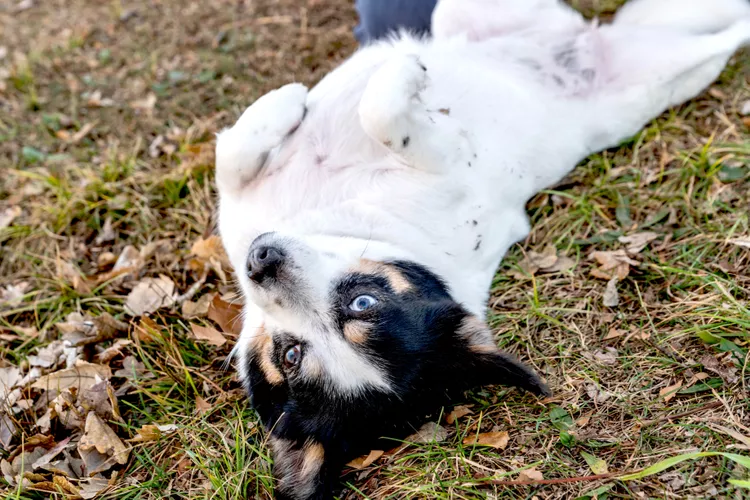
One of the best parts of having a dog is sharing affectionate moments together. From tail wags to cuddles on the couch, dogs have many ways of showing love. For many pups, belly rubs are one of their favorite forms of attention. The moment they flop onto their backs with their paws in the air, many owners assume they are asking for a tummy rub.
But is that always true?
Interestingly, dogs expose their bellies for different reasons. Some genuinely enjoy belly rubs and want affection, while others may be displaying nervous or submissive behavior. Understanding the difference can help you better communicate with your dog and strengthen your relationship.
Why Do Dogs Show Their Belly?
Dogs roll onto their backs and expose their stomach area for two main reasons:
- They are asking for belly rubs and attention.
- They are displaying appeasement or submissive behavior to avoid tension.
Because these meanings are very different, it’s important to pay close attention to your dog’s overall body language before reaching down for a belly rub.
When Your Dog Wants a Belly Rub
A happy dog asking for belly rubs will usually look relaxed, playful, and comfortable around you. Their entire body often appears loose and wiggly.
Signs Your Dog Wants Belly Rubs
- Relaxed body posture
- Loose tail wagging naturally
- Soft or squinty eyes
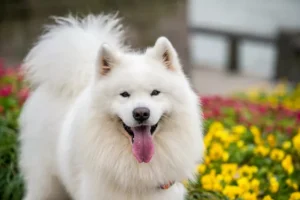
- Open mouth with relaxed lips
- Tongue hanging out happily
- Playful rolling behavior
- Gentle panting or “smiling” expression
Some dogs may even nudge your hand with their paw or lean into your touch to ask for more attention.
Dogs that trust their owners completely often expose vulnerable areas like their belly because they feel safe and secure. In these moments, belly rubs become a form of bonding, affection, and comfort.
When Belly Exposure Means Submission or Stress
Not every dog rolling over wants physical contact. Sometimes exposing the belly is a calming signal used to avoid conflict or communicate nervousness.
In these situations, petting the dog may actually increase anxiety because the dog already feels vulnerable.
Signs of Nervous or Appeasing Behavior
- Stiff or frozen body posture
- Tail tucked tightly or wagging stiffly
- Wide eyes or visible eye whites
- Lip licking or tongue flicking
- Closed mouth or tense facial muscles
- Ears pinned back
- Soft whining or nervous silence
A wagging tail alone does not always mean happiness. A loose, full-body wag is very different from a stiff or tucked tail movement.
Learning to recognize these subtle signs can help prevent stress and improve communication between you and your dog.
Also Read : My Dog Bit Someone: 7 Essential Steps You Need to Take Now
Why Belly Rubs Feel So Good to Dogs
Many experts believe dogs enjoy belly rubs simply because it feels physically satisfying. Unlike areas such as the ears or neck, dogs cannot easily scratch their own stomachs.
A belly rub can help:
- Relieve itching
- Provide relaxation
- Stimulate hair follicles and nerves
- Increase positive social bonding
- Reduce stress levels in relaxed dogs
Some dogs kick their legs during belly rubs due to the “scratch reflex,” an automatic reaction caused by nerve stimulation under the skin. This is completely normal and often a sign that the sensation feels pleasurable.
Dogs also enjoy physical affection because it can release feel-good hormones like oxytocin, sometimes called the “bonding hormone.” This helps strengthen emotional trust between dogs and humans.
Do All Dogs Like Belly Rubs?
No. Just like humans, dogs have unique personalities and preferences.
Some dogs absolutely love belly rubs and seek them out every day. Others may tolerate them briefly, while some dogs dislike them entirely. Breed temperament, past experiences, age, socialization, and comfort levels can all influence how a dog feels about physical touch.
A dog’s mood can also change throughout the day. Your dog may enjoy belly rubs when relaxed in the evening but avoid them when excited, anxious, or tired.
The most important thing is respecting your dog’s boundaries.
How to Give Your Dog the Perfect Belly Rub
If your dog enjoys belly rubs, using the right approach can make the experience even better.
1. Watch Their Body Language
Before touching your dog, look for relaxed signals like loose posture, soft eyes, and a naturally wagging tail.
If your dog looks tense or uncomfortable, avoid forcing interaction.
2. Stay Calm and Relaxed
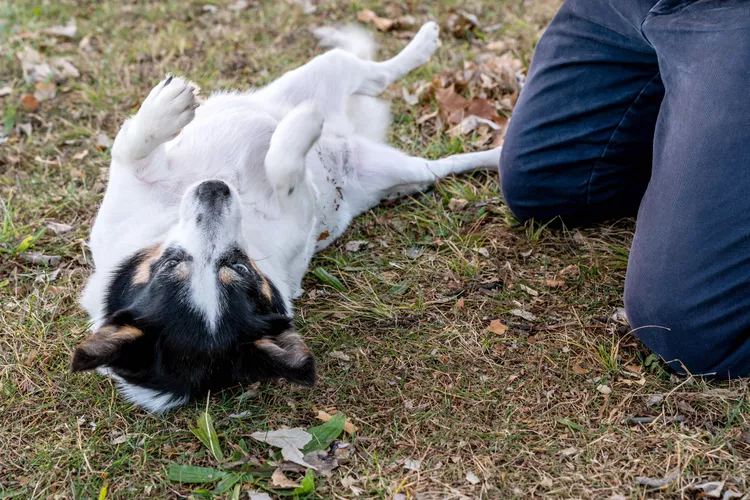
Dogs are highly sensitive to human energy and body language. Approach slowly and calmly to help your dog feel safe.
3. Use Gentle Movements
Start with soft, open-handed rubbing motions on the chest or side of the belly. Avoid scratching too hard or moving too quickly.
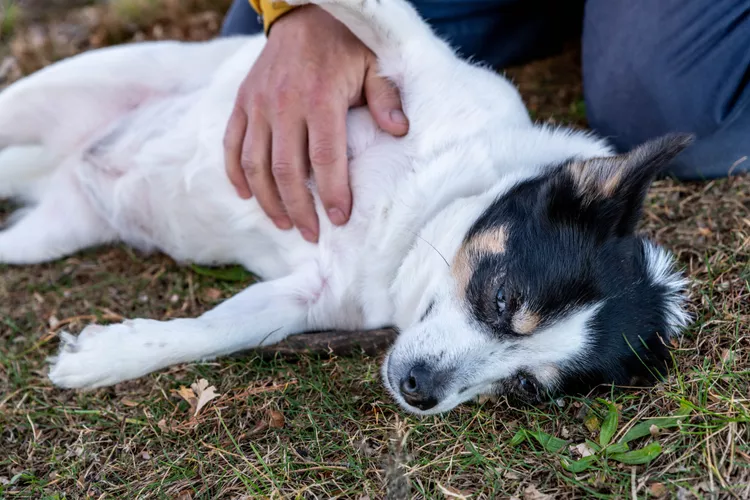
Some dogs enjoy:
- Circular rubs
- Gentle pats
- Light scratching
- Slow massages
4. Try the “Pat-Pet-Pause” Method
Pet your dog for a few seconds, then stop briefly to observe their reaction.
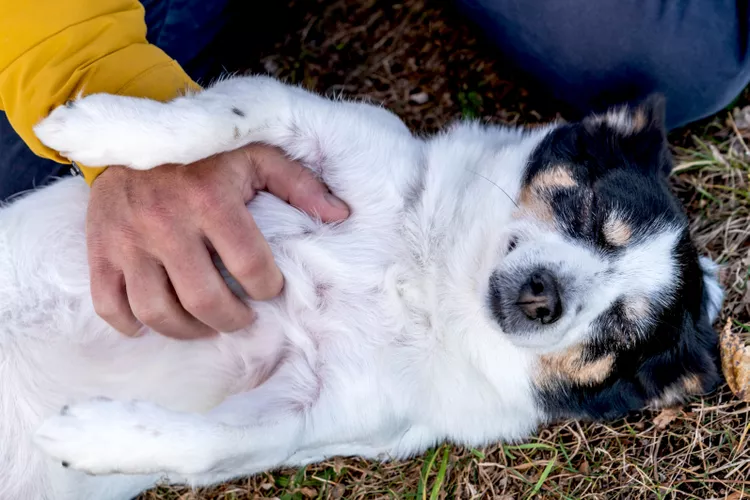
If your dog:
- Nudges your hand
- Rolls closer
- Paws at you
- Stays relaxed
They likely want more.
If they walk away or appear uncomfortable, let them end the interaction.
5. Respect Their Decision
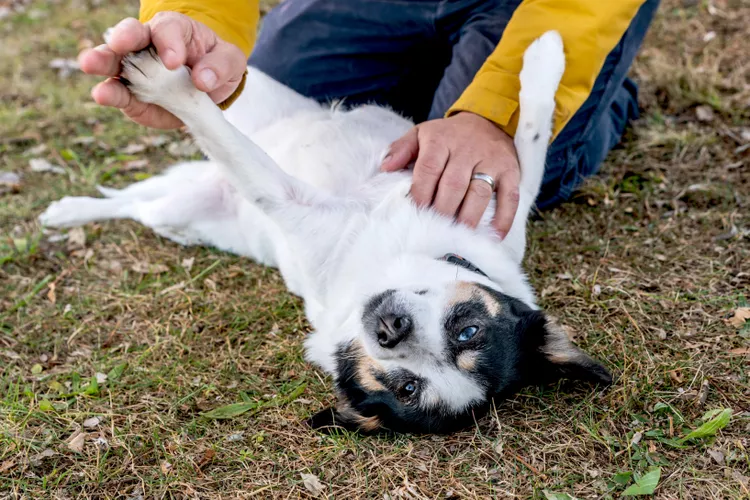
The best way to build trust with your dog is by listening to their body language. Never force affection if your dog isn’t interested.
Can Belly Rubs Strengthen Your Bond With Your Dog?
For many dogs, yes.
Positive physical touch can improve trust, relaxation, and emotional connection between pets and owners. Belly rubs may also help anxious dogs feel calm when done in a safe and respectful way.
However, bonding looks different for every dog. Some dogs prefer:
- Walks
- Playtime
- Fetch
- Training sessions
- Snuggling beside you
- Ear scratches instead of belly rubs
The key is understanding what makes your individual dog feel happy and secure.
Signs Your Dog Truly Enjoys Belly Rubs
Here are some common behaviors dogs show when they genuinely enjoy tummy rubs:
- Falling asleep during petting
- Stretching out comfortably
- Leaning into your hand
- Returning for more attention
- Relaxed breathing
- Happy facial expressions
- Rolling onto their back repeatedly
These are usually strong indicators that your dog feels safe, relaxed, and content.
Final Thoughts
Belly rubs can be one of the sweetest ways to bond with your dog, but understanding the meaning behind the behavior is essential. While many dogs adore tummy rubs and actively seek them out, others may expose their belly because they feel nervous or submissive.
Paying attention to body language helps you respond appropriately and respectfully. Every dog has unique preferences, and learning what your pet enjoys most is one of the best ways to strengthen your relationship.
When done correctly, belly rubs can provide comfort, relaxation, trust, and happiness for both you and your furry friend.
FAQ
Why do dogs roll over for belly rubs?
Dogs often roll over because they feel comfortable, playful, and want affection. However, some dogs also expose their belly as a submissive gesture when they feel nervous or unsure.
Why does my dog kick their leg during belly rubs?
This is called the scratch reflex. Certain nerves under the skin trigger an automatic kicking reaction when stimulated.
Do all dogs enjoy belly rubs?
No. Every dog has different comfort levels and personality traits. Some love belly rubs, while others prefer different forms of affection.
How can I tell if my dog is uncomfortable?
Signs of discomfort include a stiff body, tucked tail, lip licking, whale eyes, tense mouth, or trying to move away.
Can belly rubs help reduce stress in dogs?
For dogs that enjoy physical touch, gentle belly rubs may help them relax and feel emotionally secure.
Should I force my dog to accept belly rubs?
No. Respecting your dog’s boundaries is important for building trust and maintaining a positive relationship.