Wondering when to switch your puppy to adult dog food? Learn the exact timing based on breed size, growth stage, and vet recommendations in this complete US guide.
By : Anuj Pal || Published on 3/04/2026
___________________________________________________________________________________________________
If you’ve ever stood in the pet food aisle wondering “Is it time to switch my puppy to adult dog food?”—you’re not alone. This is one of the most important decisions for your dog’s long-term health, yet it’s also one of the most misunderstood.
The truth is simple but often overlooked: there is no single “right age” for all dogs. The correct timing depends primarily on breed size, growth rate, and developmental stage—not just age in months.
In this comprehensive 2000+ word guide, you’ll learn exactly when to switch from puppy to adult dog food based on US breed size standards, how to transition safely, and how to avoid common mistakes that can harm your dog’s health.
when to switch puppy to adult dog food
Puppy food and adult dog food serve very different purposes. Puppy formulas are specially made to fuel fast growth, strengthen developing bones, and meet higher energy demands. In contrast, adult dog food is designed to maintain overall health with balanced, controlled nutrition.
- Puppy food: richer in calories, protein, fat, calcium, and phosphorus
- Adult food: more controlled calorie levels with well-balanced nutrients
Switching too soon may result in:
- Incomplete bone development
- Nutrient deficiencies
- Weakened immune function
Waiting too long to switch can lead to:
- Excess weight gain or obesity
- Added strain on joints
- Digestive problems
Most veterinarians recommend transitioning your puppy to adult food when they reach around 80% of their expected adult size, rather than relying strictly on age alone.
📏 The Most Important Factor: Breed Size
The single biggest factor determining when to switch food is your dog’s adult size category.
Why? Because:
- Small dogs mature quickly
- Large dogs grow slowly and need extended puppy nutrition
For example, a Chihuahua may be fully grown before 10 months, while a Great Dane may still be developing at 18–24 months.
🇺🇸 Breed Size Categories (US Standard)
In the United States, dogs are typically grouped into four size categories:
| Size Category | Adult Weight | Examples |
|---|---|---|
| Toy/Small | Under 20–25 lbs | Chihuahua, Pomeranian |
| Medium | 25–50 lbs | Beagle, Border Collie |
| Large | 50–90 lbs | Labrador, Golden Retriever |
| Giant | 90+ lbs | Great Dane, Mastiff |
Each category has a different growth timeline—and therefore a different switching age.
🐕 When to Switch Based on Breed Size
1. when to switch small breed puppy food

Switch Age: 9–12 months
Small dogs grow rapidly and reach adult size early. Most are fully mature before their first birthday.
- Growth completion: ~10–12 months
- Switch timing: around 9–12 months
- Risk of delaying: obesity
Studies show small breeds typically reach maturity quickly and are ready for adult food by 9–12 months.
Key Tip:
If your small dog is gaining excess weight after 10–12 months, it’s a strong sign to switch.
2. Medium Breeds (12–14 Months)
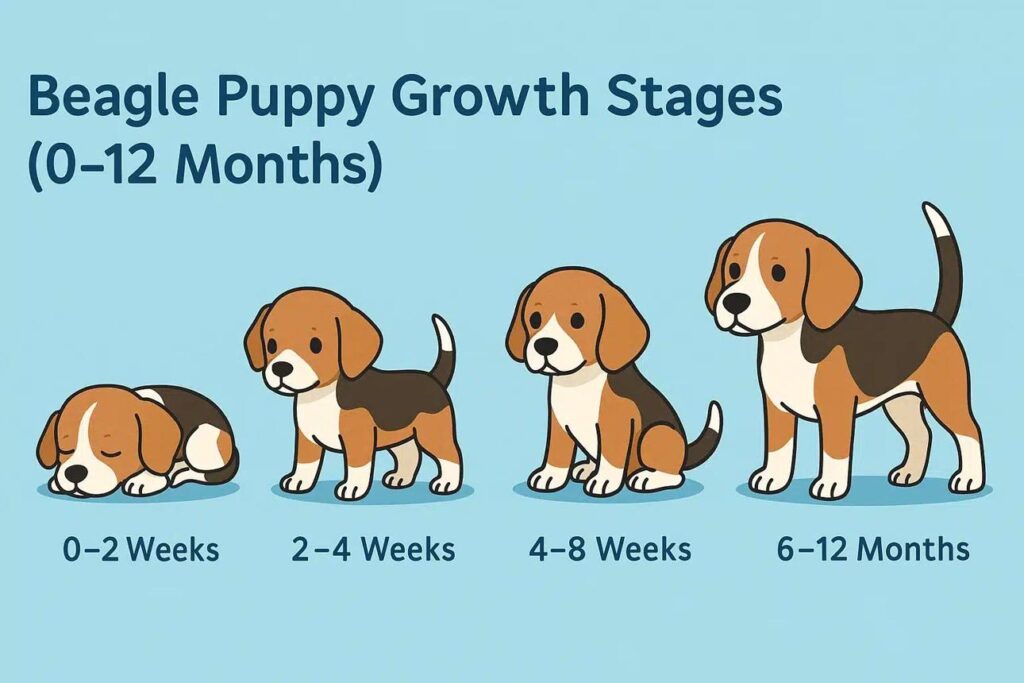
Switch Age: 12–14 months
Medium-sized dogs grow at a moderate pace.
- Growth completion: ~12–15 months
- Switch timing: around 12 months
Most veterinary guidelines recommend transitioning medium breeds at about one year old.
Key Tip:
If your dog’s height has stabilized and weight gain slows, it’s time to switch.
3. large breed puppy food transition age
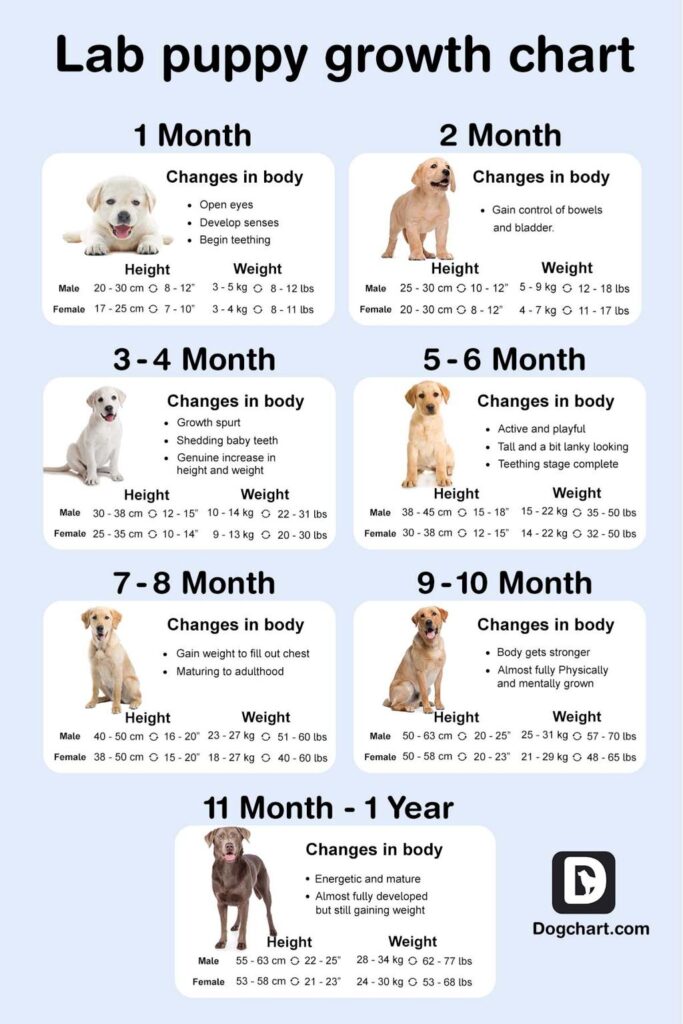
Switch Age: 12–18 months
Large breeds grow slower and require longer puppy nutrition for proper joint and bone development.
- Growth completion: ~15–18 months
- Switch timing: 12–18 months
Experts recommend waiting longer because early switching can affect skeletal health.
Why It Matters:
Large breeds are prone to:
- Hip dysplasia
- Joint issues
- Bone development problems
Puppy food helps regulate calcium levels during this extended growth phase.
4. Giant Breeds (18–24 Months)
Switch Age: 18–24 months
Giant breeds take the longest to mature.
- Growth completion: up to 2 years
- Switch timing: 18–24 months
Some giant dogs are still developing bone density at 24 months, making extended puppy nutrition essential.
Key Tip:
Always consult a vet before switching giant breeds—timing is critical.
📊 Quick Summary Chart
| Breed Size | Switch Age |
|---|---|
| Small | 9–12 months |
| Medium | 12–14 months |
| Large | 12–18 months |
| Giant | 18–24 months |
🧠 Signs Your Puppy Is Ready for Adult Food
Age alone isn’t enough—you should look for physical signs:
✅ Positive Signs
- Growth has slowed or stopped
- Weight stabilizes
- Appetite becomes more consistent
- Body shape becomes leaner
⚠️ Warning Signs You’re Too Early
- Visible growth still ongoing
- Skinny or underdeveloped appearance
- High energy but low stamina
⚠️ Signs You’re Too Late
- Weight gain or fat accumulation
- Reduced activity
- Digestive issues
🔄 How to Transition Safely (7-Day Method)
Never switch food suddenly. This can cause:
- Diarrhea
- Vomiting
- Loss of appetite
Gradual Transition Plan:
| Day | Puppy Food | Adult Food |
|---|---|---|
| 1–2 | 75% | 25% |
| 3–4 | 50% | 50% |
| 5–6 | 25% | 75% |
| 7 | 0% | 100% |
This gradual method helps prevent digestive upset and ensures acceptance.
Related : Spanish Mastiff Dog Breed: Size, Temperament, and Care Guide
⚖️ Special Factors That Affect Timing
1. Activity Level
Highly active dogs may stay on puppy food longer for extra calories.
2. Spay/Neuter Status
After surgery:
- Metabolism slows
- Weight gain risk increases
You may need to switch earlier or reduce portions.
3. Breed-Specific Needs
Some breeds (like Labradors) gain weight easily and may need earlier adjustment.
🦴 Why Large & Giant Breeds Need Extra Time
This is critical and often misunderstood.
Large and giant breeds:
- Grow rapidly but mature slowly
- Require controlled calcium levels
- Need support for joints and bones
Switching too early can increase risk of:
- Hip dysplasia
- Elbow dysplasia
- Osteochondrosis
That’s why experts recommend extended puppy feeding for larger breeds.
❌ Common Mistakes to Avoid
1. Switching at Exactly 12 Months (For All Dogs)
This is a myth. Size matters more than age.
2. Switching Too Early for Large Breeds
Can damage joint development.
3. Staying on Puppy Food Too Long
Leads to obesity and health issues.
4. Sudden Food Changes
Always transition gradually.
🥩 Choosing the Right puppy to Adult Dog Food
When switching, choose food with:
- High-quality protein
- Balanced fat levels
- Breed-size specific formulas
- Controlled calories
Large breeds should use:
👉 “Large breed adult” formulas
Small breeds should use:
👉 Smaller kibble size for easier chewing
🩺 When to Consult a Vet
You should consult a veterinarian if:
- Your dog has unusual growth patterns
- You’re unsure about breed size
- Your dog has health conditions
- You notice digestive problems during transition
🐾 Final Thoughts
Switching from puppy to adult dog food isn’t just a routine change—it’s a critical milestone in your dog’s development.
The key takeaway:
👉 Follow your dog’s size, not the calendar.
- Small dogs: switch early
- Large dogs: wait longer
- Giant breeds: be patient
When done correctly, this transition supports:
- Healthy weight
- Strong bones
- Long-term wellbeing
✅ Quick Recap
- Switch when your dog reaches ~80% of adult size
- Timing depends on breed size
- Transition slowly over 7 days
- Watch for growth and weight changes
- When in doubt, ask your vet
FAQ
Q1: Can I switch my puppy to adult Dog food at 6 months?
No, most puppies still need growth nutrients. Only small breeds may transition earlier.
Q2: What happens if I switch too early?
It can lead to poor growth and nutritional deficiencies.
Q3: How long should the transition take?
7–10 days is ideal to avoid digestive issues.
Q4: Do large breeds need special food?
Yes, large breed formulas help control growth and protect joints.
Q5: Can I mix puppy to adult Dog food long-term?
No, mixing should only be temporary during transition.