Explore the world of giant dog breeds, from the gentle Great Dane to the loyal Mastiff. Learn about their unique care needs, lifespans, temperaments, and what it’s really like to live with a 100lb+ companion.
While many people are drawn to small dog breeds for their convenience and portability, others believe there is nothing quite as special as owning a giant dog and often look for the best giant dog breeds to welcome into their homes. These large and lovable canines offer many wonderful qualities that make them excellent companions. Despite their impressive size, most giant dogs are true gentle giants with calm, affectionate, and sweet personalities. They often see themselves as oversized lap dogs, happily leaning on their owners or curling up nearby for comfort. Giant breeds are also known for their deep loyalty and strong protective instincts, always keeping a watchful eye on their family. In addition, they are intelligent, eager to please, and generally respond well to training, making them both dependable and loving pets.
Here are 10 of the best giant dog breeds if you’re ready for a massive companion
1. Great Dane
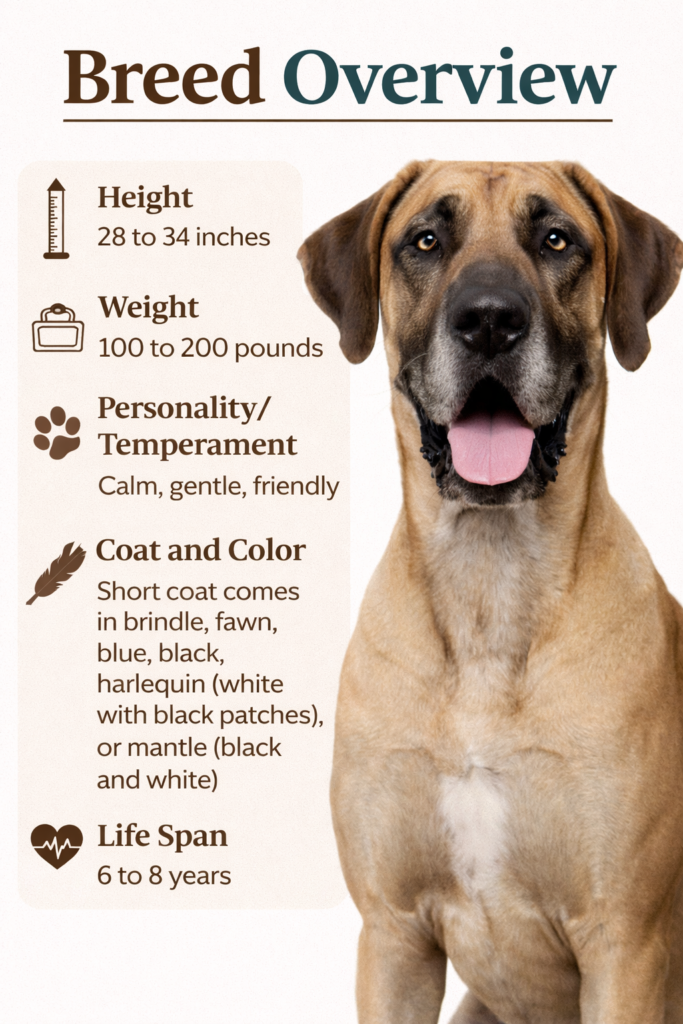
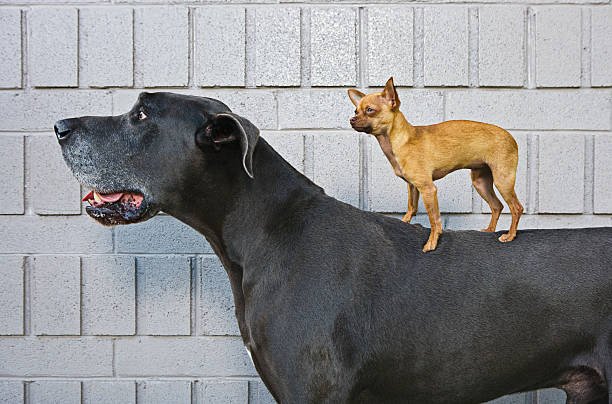
Some might compare this majestic animal to a miniature horse rather than a canine. Great Danes certainly command attention, yet their excellence as companions comes from their personality rather than their sheer scale.
Known for being mild-mannered, spirited, and fiercely devoted, it is easy to see why they are considered a top-tier giant breed. Their massive size often makes them seem like lovable klutzes, but their awkward limbs and “sit anywhere” mentality are exactly what make them such entertaining pets.
Dog Training : Brain Training for Dogs – Unique Dog Training Course!
2. Mastiff
The Mastiff is another top-tier giant breed, hiding a gentle and mellow soul beneath a powerful, muscular exterior. Just be prepared with a towel, as their large heads tend to produce quite a bit of drool.
Because their sheer strength can lead to accidental collisions in cramped quarters, they aren’t always the best fit for small apartments. These massive dogs thrive in spacious environments and require consistent training to manage their size effectively.
3. Leonberger
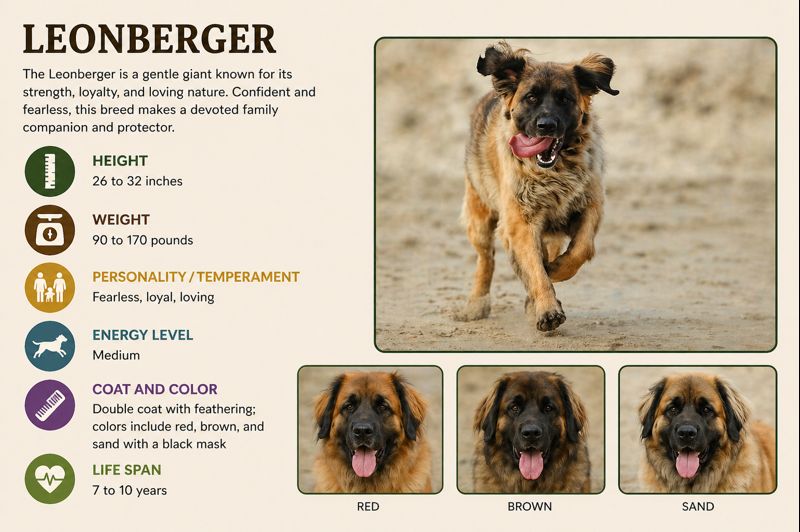
The Leonberger is a giant working breed generally known for its sweet and mild-mannered nature. These dogs form deep connections with their owners and often possess a remarkable sensitivity to how their humans are feeling.
Because of these traits, they excel both as loyal family members and as effective therapy animals. If your home has enough room to accommodate their size, they are a fantastic choice for anyone who loves large dogs.
4. Bullmastiff
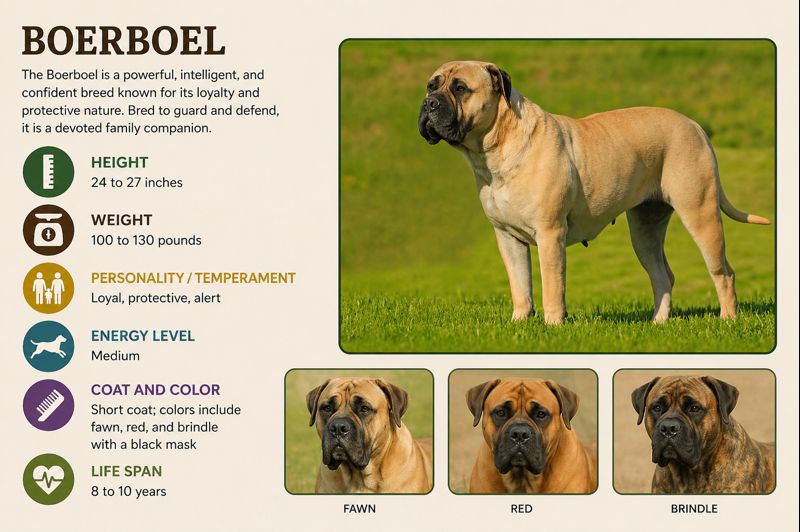
Developed in the mid-1800s by crossing Bulldogs and Mastiffs, this breed was originally designed as a powerful deterrent against poachers. In the modern day, the Bullmastiff has earned its reputation as a premier giant breed.
While they are still highly effective guardians, they are equally cherished as devoted pets. Even though their look can be quite imposing, they are truly mild-mannered protectors who develop a deep and lasting attachment to their families.
5. Newfoundland
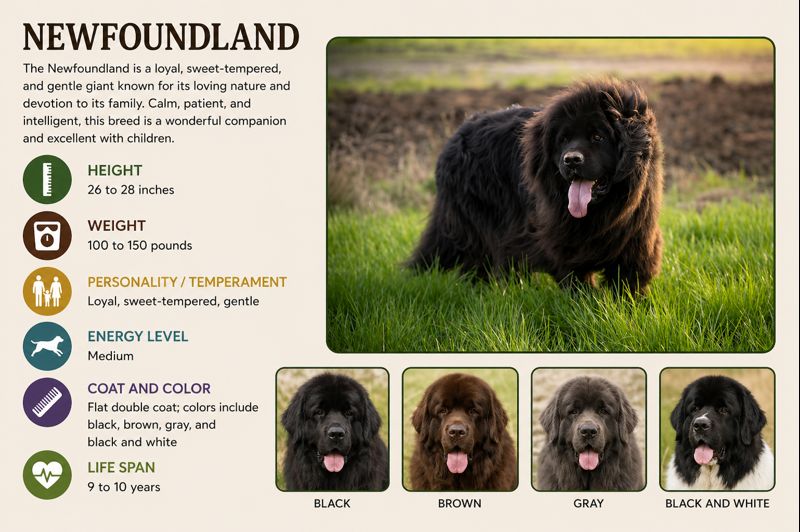
Newfoundlands are both devoted partners and exceptional working animals. Their unique features, such as webbed toes and water-resistant fur, made them the perfect aquatic assistants for fishermen and legendary lifesavers for those in distress.
Their status as a top-tier giant breed stems from many wonderful traits, but they are most famous for their innate drive to help and protect. Known for their incredible patience, they are especially careful with children and always maintain a kind, peaceful soul.
6. Saint Bernard
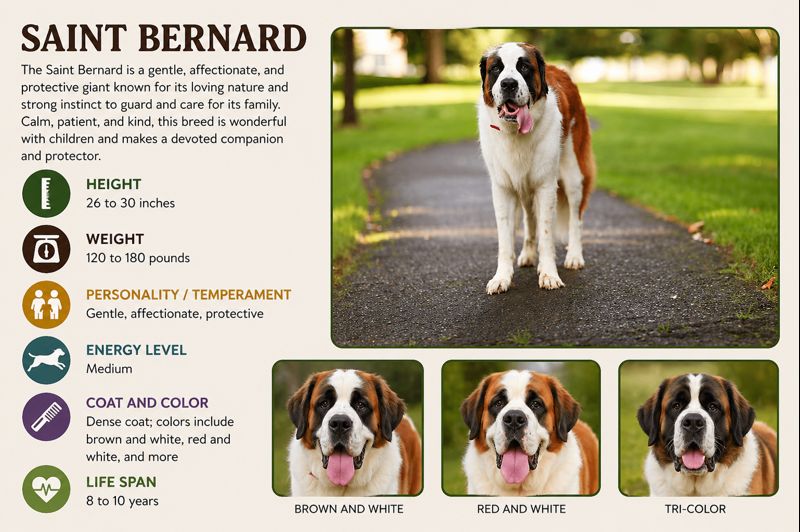
Despite their imposing appearance, Saint Bernards are among the finest giant dog breeds for both working roles and family life. Often employed as service animals or in search-and-rescue missions, these massive dogs are known for having hearts even larger than their bodies.
They are typically kind, affectionate members of the household and usually interact wonderfully with kids. However, because they sometimes forget their immense scale, consistent training is essential to ensure they remain manageable.
Related : 8 Largest Dog Breeds: Meet the Gentle Giants of the Dog World
7. Dogue de Bordeaux
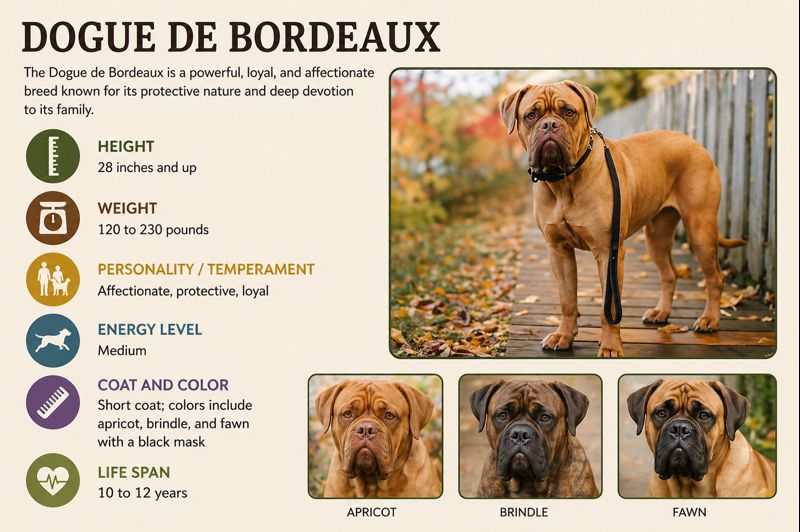
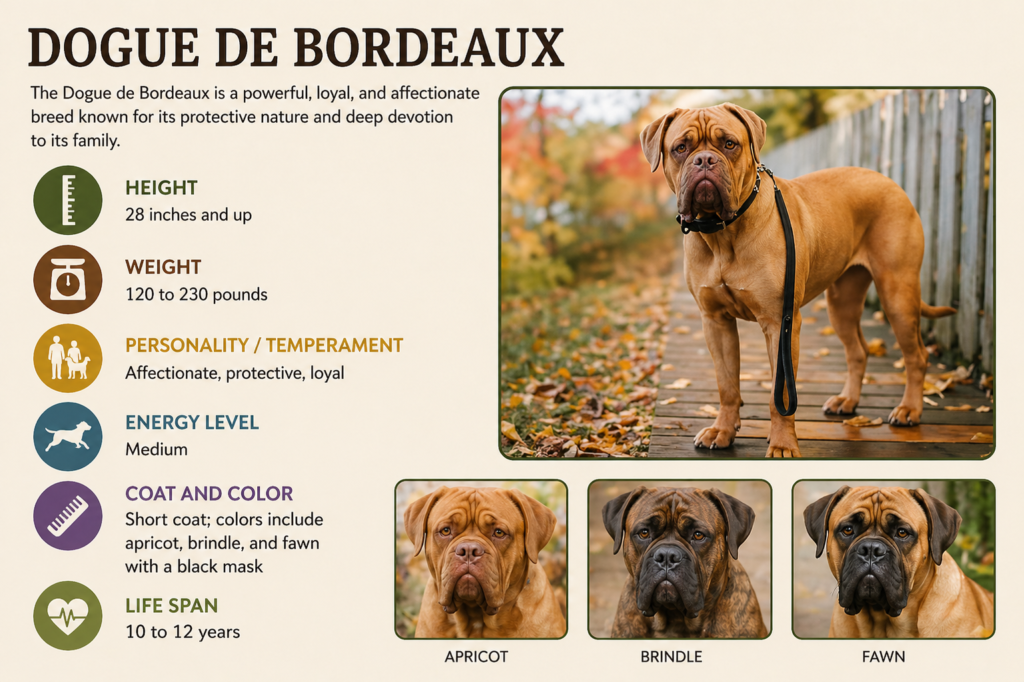
The Dogue de Bordeaux is an affectionate, droopy-faced powerhouse, and it only takes a moment with one to see why they are ranked among the top giant breeds. Hailing from France, they are also frequently referred to as the French Mastiff.
While their massive frame and large head might give off a fierce impression, it is largely a facade; they are actually an incredibly devoted and mild-mannered breed. Additionally, they are highly protective of their household and serve as very effective guardians.
8. Great Pyrenees
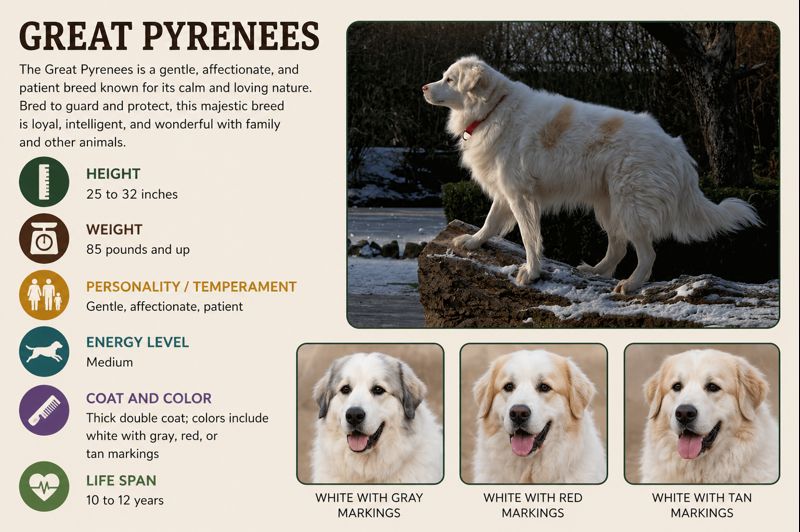
The Great Pyrenees combines immense strength with a gentle, sweet nature. As one of the world’s ancient breeds, these working dogs have a storied past as steadfast protectors of both livestock and households.
Prospective owners should keep in mind that this is a highly energetic breed. To ensure they become well-adjusted companions, they need intense daily activity and consistent obedience training. However, the commitment pays off, as they are truly wonderful pets.
9. Irish Wolfhound
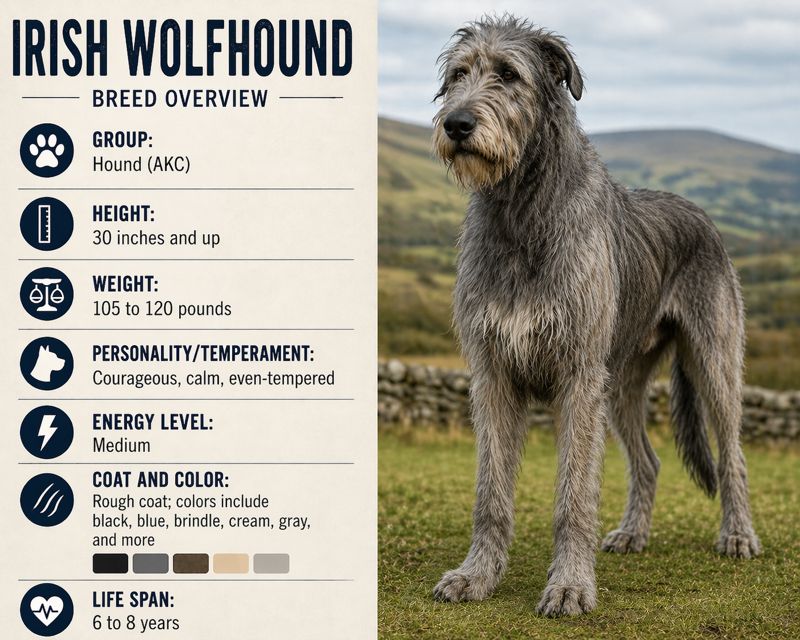
In the past, Irish Wolfhounds served as guardians and partners in both hunting and warfare. Today, they are mostly kept as pets, though they still possess a bit of that ancient protective drive and hunting spirit.
Because they require more room and activity than many other large breeds, these dogs typically don’t do well in cramped living conditions. They are a better match for active families who can provide a spacious house and a large yard for them to roam.
10 . Neapolitan mastiff
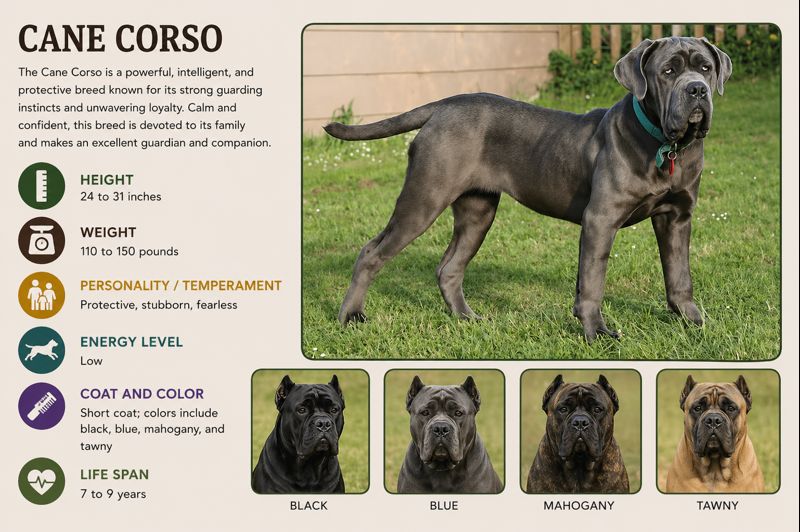
The Neapolitan Mastiff is an Italian breed with a storied lineage reaching back to the war dogs of the Roman Empire, eventually transitioning into the role of estate guardians.
Beyond their immense scale, they are easily recognized by their heavy bone structure, rolling gait, and iconic folds of loose, wrinkled skin. Personality-wise, they are famously devoted and watchful, yet they typically maintain a very calm and gentle temperament.
Breeds to Avoid
If you are a fan of giant dogs, it is safe to assume that tiny toy and teacup breeds don’t appeal to you.
While breeds like Chihuahuas, Pomeranians, and Yorkies possess huge personalities, these miniature canines rarely exceed 7 pounds in weight or 7 inches in height at maturity.
Here some more Dog breeds
FAQ
1. What officially qualifies a dog as a “giant dog breeds”?
A dog is generally classified as a giant breed when its weight exceeds 100 pounds (45 kg) and it stands 26 inches or taller at the shoulder. Some, like the
English Mastiff, can weigh over 200 pounds.
2. How long do giant dog breeds live?
Unfortunately, larger dogs age faster and typically have shorter lifespans than small or medium breeds, usually ranging from 6 to 10 years. For example,
Irish Wolfhounds often live just 6–8 years.
3. Can giant dogs live in an apartment?
Yes, but with caveats. Many giant breeds, such as
Great Danes and
Mastiffs, are surprisingly low-energy indoors and are often happy to lounge most of the day. However, they still require daily outdoor exercise and enough floor space to sprawl out comfortably without knocking over furniture.
4. What are the most common health issues for big dogs?
Due to their massive size and deep chests, they are particularly prone to:
- Bloat (GDV): A life-threatening condition where the stomach twists.
- Joint Issues: Including hip and elbow dysplasia and arthritis.
- Heart Problems: Specifically Dilated Cardiomyopathy (DCM).
5. How much exercise do they actually need?
Contrary to what you might think, most giant breeds only require moderate, low-impact exercise. Daily walks of 30–60 minutes are usually enough. Intense or high-impact activity should be avoided, especially in puppies, to prevent permanent damage to their developing joints.
6. Why are they more expensive to own?
Costs scale with size. Giant breeds require significantly more food, and veterinary expenses—from standard medications like flea prevention to surgeries—are higher because dosages and anesthesia are based on weight. You also need XXL-sized gear, including orthopaedic beds and crates.