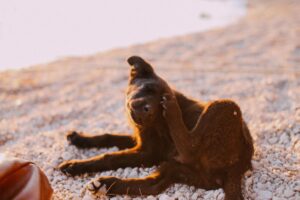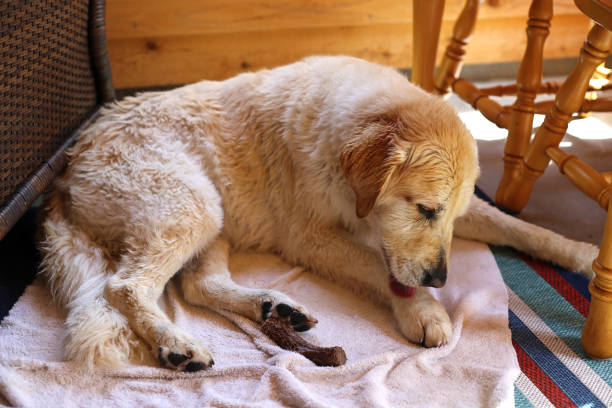
Learn causes, solutions, and when to contact your vet for paw licking issues.
BY : Anuj Pal || 14 April 2026
Dogs lick their paws for a variety of reasons. In many cases, occasional paw licking is simply part of their natural grooming routine to keep themselves clean. However, when a dog begins licking its paws excessively, persistently, or with noticeable intensity, it may indicate an underlying issue such as irritation, injury, allergies, or infection. If you observe this behavior happening frequently, it’s important to pay close attention and take appropriate steps. Understanding the causes of paw licking in dogs can help you respond effectively and ensure your pet stays comfortable, healthy, and free from potential complications.
Why Dogs Lick Their Paws
Dogs lick their paws as part of normal self-grooming behavior. Even pets that aren’t very focused on cleaning themselves may still lick their paws occasionally to remove dirt or stay comfortable. If you only notice this behavior once in a while, it’s usually harmless and nothing to be concerned about.
However, frequent or aggressive paw licking in dogs is not considered normal and may signal an underlying issue. This behavior is often linked to health problems or behavioral concerns. If your dog is licking its paws excessively, it’s important to check for possible causes such as itching, irritation, pain, or injury. Just like dogs lick their wounds to soothe discomfort, persistent paw licking can be a sign that something is bothering them and needs attention.
Injuries
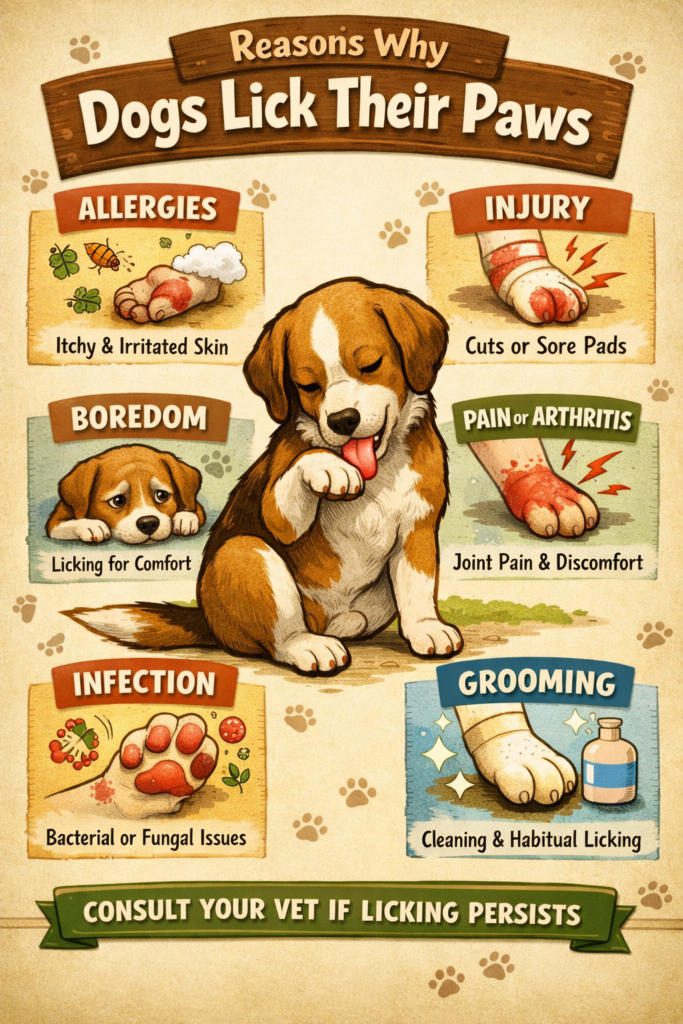
If your dog suddenly starts licking its feet, it often signals an immediate physical issue like a hidden wound or an irritating stowaway. They may have stepped on sharp debris, scorched their pads on blistering asphalt, or suffered chemical stings from winter ice-melt products. Beyond environmental burns, hidden culprits like embedded splinters, stubborn thorns, or sharp grass awns can burrow into the sensitive webbing between toes, causing persistent distress.
Sometimes, the cause is an external hitchhiker—like sticky sap or a stinging insect bite—that the dog simply cannot remove without human intervention. Because dogs use their mouths to “groom” away pain, this frantic licking is their only way of signaling that something is stuck, stinging, or deeply uncomfortable. Carefully inspecting the area for redness or swelling is the best way to catch these small but painful problems before they lead to a more serious infection.
Growths
Beyond surface-level irritants, persistent licking might point toward internal structural issues or abnormal growths, such as cysts, tumors, or localized infections. Your dog could also be reacting to the dull ache of arthritis or a hidden soft tissue strain within the paw’s complex network of small bones and ligaments. These internal injuries are particularly tricky because they often remain completely invisible to the naked eye, despite causing significant discomfort.
If the licking is strictly localized to a single foot, it strongly suggests a specific injury, an embedded object, or a developing growth. You might also notice a subtle limp or a change in how they distribute their weight while standing. While focusing on one area is a common red flag, remember that systemic issues like arthritis or environmental burns can easily cause a dog to obsessively groom multiple paws simultaneously.
Allergies
Allergies are among the most frequent culprits behind chronic paw licking, as they trigger intense itching and localized inflammation within the delicate paw pads. When a dog’s immune system overreacts to certain triggers, the skin on their feet often becomes red, hot, and incredibly irritable. To a distressed dog, constant licking and chewing are the only available methods to soothe this persistent, underlying itch.
While various factors can play a role, food sensitivities and environmental triggers—such as pollen, mold, or dust mites—are notorious for manifesting as pododermatitis. This discomfort often leads to a “lick-itch cycle” where the moisture from saliva actually worsens the skin’s barrier, potentially leading to secondary yeast or bacterial infections. Identifying whether the trigger is a specific protein in their diet or a seasonal change in the air is the first step toward long-term relief.
Infections
It is relatively frequent for canines to contract bacterial, fungal, or yeast-based skin issues on their feet, often requiring professional veterinary intervention. These conditions frequently arise as secondary complications from underlying allergies or idiopathic triggers. A significant factor in this cycle is that dogs lick their paws to soothe irritation, yet this constant moisture creates a perfect breeding ground for opportunistic pathogens.
Furthermore, external parasites such as fleas, mange mites, or hookworms cause intense pruritus, which forces animals to chew and groom their extremities incessantly. Because dogs lick their paws to relieve this intense itching, the skin barrier eventually breaks down, worsening the inflammatory response. Owners should monitor this behavior closely, as what starts as a simple habit can quickly evolve into a painful, chronic infection requiring long-term medical management.
Related : 10 Low-Maintenance Short-Haired Dog Breeds You’ll Love
Behavioral Concerns
When medical issues have been ruled out, paw licking may stem from behavioral triggers, though such psychological causes are statistically less frequent. Simple boredom is often the initial spark, but the behavior can also be a coping mechanism for underlying stress, fear, or chronic anxiety.
What begins as a casual way to pass the time can rapidly transform into a self-soothing habit that provides your dog with a sense of relaxation or sensory satisfaction. In more extreme cases, this repetitive grooming can escalate into a true compulsive disorder, where the dog feels an uncontrollable urge to obsessively lick their paws until the skin becomes raw. Understanding whether the behavior is triggered by specific environmental stressors or a lack of mental stimulation is key to breaking this cycle before it becomes a permanent fixture of their daily routine.
What To Do If Your Dogs Lick Their Paws
If your dog seems stuck in a cycle of constant paw licking, your first step should be a thorough physical examination of the area. Closely inspect the tops, bottoms, nail beds, and the delicate webbing between each toe, searching for subtle red flags like hidden splinters, swelling, or unusual discharge. Taking the time to look for broken nails, foul odors, or crusty skin allows you to identify immediate pain points that might require basic first aid or a specialized paw cleaner to remove irritating debris.
One telltale sign of a chronic issue is the presence of rust-colored saliva staining on the fur, which is particularly obvious on dogs with lighter coats. This discoloration acts as a biological “paper trail,” proving that the licking is more frequent than you might observe during the day. Regardless of whether the paws look normal to the naked eye, scheduling a professional veterinary consultation is essential to rule out silent medical conditions before assuming the behavior is purely psychological.
Treatment for Dogs Lick their Paws
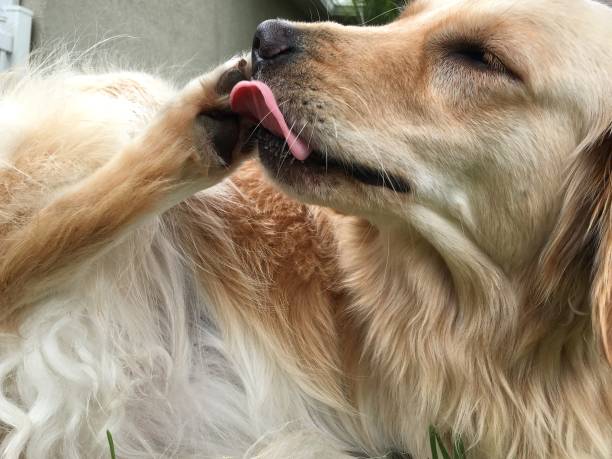
Upon visiting the clinic, your veterinarian will conduct a physical exam and review your pet’s medical history to pinpoint the cause, with tailored treatment plans following the final diagnosis. Depending on the severity, they might suggest localized remedies like medicated soaks, topical sprays, or specialized ointments to soothe inflammation and combat surface-level pathogens. If a deeper bacterial or fungal issue is confirmed, your dog may require a course of oral antibiotics or antifungal medications to fully clear the system. In more serious instances involving embedded objects or suspicious growths, surgical intervention could be necessary to remove the culprit and repair any internal tissue damage.
Should the condition prove complex, your primary vet might recommend a consultation with a specialist, such as a veterinary dermatologist for skin issues or a surgeon for structural repairs. If diagnostic tests fail to uncover a physiological trigger, the focus shifts toward managing a potential behavioral disorder. Addressing these habits early prevents the risk of self-mutilation and ensures your dog’s mental well-being is prioritized alongside their physical health.
Home Remedies for Paw Licking
If you’ve noticed your dogs lick their paws constantly, you might be looking for ways to provide relief at home. While some DIY fixes work for minor irritation, always consult your vet first, as home treatments can occasionally aggravate certain conditions
Here is how to manage common reasons why dogs lick their paws:
- Dry or Cracked Pads: To stop the discomfort that makes dogs lick their paws, apply a dab of coconut oil or a specialized paw balm to soften and heal the skin.
- Yeast Overgrowth: If a fungal issues is why your dogs lick their paws, try a paw soak using three parts water and one part apple cider or white vinegar. Let them soak for 10 minutes, then rinse and dry thoroughly.
- Itchiness and Allergies: For general itch relief, a warm bath with ground-up plain oatmeal can soothe the skin. Soak the feet for 10 minutes to reduce the urge for dogs to lick their paws, then rinse and dry well
Behavioral Solutions
If medical causes are ruled out, it’s possible that dogs lick their paws due to behavioral reasons or boredom. To address this, focus on active distractions like longer walks, extra playtime, and providing toys that keep them engaged. Avoid scolding or rewarding them with treats when dogs lick their paws, as both can reinforce the habit. Instead, use puzzle toys or food dispensers to make them “work” for their meals and stay focused.
If these distractions don’t stop why dogs lick their paws, a follow-up vet visit is recommended to explore further treatments. If the behavior persists despite a clean bill of health, consulting a professional trainer or behaviorist can help implement specific techniques for dogs that lick their paws habitually.
How to Prevent Dogs lick their paws
Prioritizing foot and skin health is the most effective strategy to prevent the initial reasons why dogs lick their paws. Ensure you trim their nails regularly and provide baths as needed to maintain hygiene. It is also vital to inspect the pads for debris or injuries, particularly after your dogs lick their paws or come inside from outdoor activities.
To further protect them, avoid exercise during extreme temperature peaks. You can also use protective gear, such as Dog Boots or Moisturizing Paw Balms, to shield their feet from harsh surfaces.
As a rule, maintain routine wellness exams with your veterinarian. Between these scheduled visits, contact your vet immediately if you notice your dogs lick their paws more than usual.