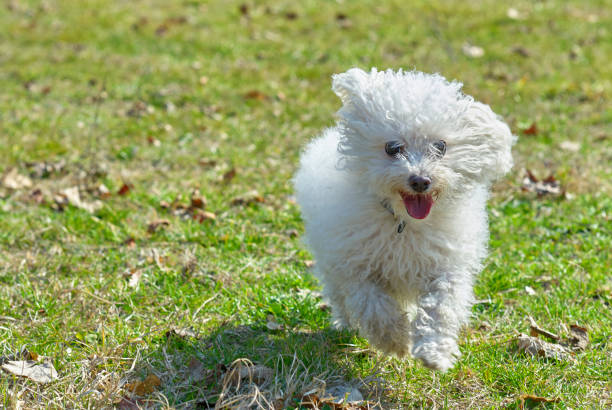
The Bolognese dogs , or “Bolo,” is a petite Italian toy breed distinguished by its dark, expressive eyes, drooping ears, and a signature white, woolly coat that grows vertically off its crown. Far from being a typical high-energy lap dog, this breed stands out for its remarkably tranquil and easygoing personality.
Closely tied to the Bichon Frise—leading some to call it the Bichon Bolognese dogs—it also shares heritage with the Maltese and Havanese. While their need for constant attention means they aren’t a fit for every household, they are perfect for those seeking a devoted, shadow-like companion. This ancient noble breed thrives on human interaction, making them exceptional emotional support animals for dedicated owners.
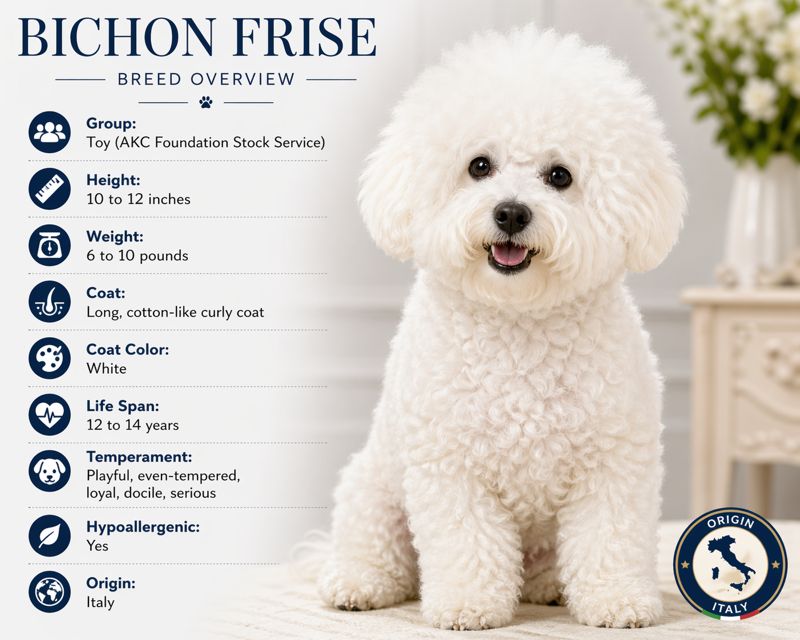
Characteristics of the Bolognese Dogs
The tranquil Bolognese dogs is a stellar household companion, celebrated for its gentle spirit and affectionate bond with people. As a quintessential lap dog, the Bolo often selects a primary person to shadow, preferring to remain by their side throughout the day rather than being left alone.
While they are social enough to enjoy the company of other canines and appreciate a good romp, their adaptable nature means they are just as happy lounging indoors with less active owners. Because of their delicate, small stature, they can feel intimidated by the high energy of toddlers. However, in homes where children are taught to handle pets with care and patience, the Bolognese proves to be a playful and harmoniously integrated family member .
Deeply devoted to their human companions, Bolognese dogs thrive on constant interaction and display immense affection toward their families. This intense bond means they truly struggle when isolated; consequently, they are highly susceptible to separation anxiety, often becoming distressed or vocal if left alone for even short periods. Because they view themselves as integral members of the pack, they require a household where someone is home most of the day to provide the consistent companionship and emotional security they crave to remain calm and well-adjusted.
History of the Bolognese Dogs
They became cherished symbols of status among Renaissance nobility, frequently exchanged as prestigious gifts between Italian and Belgian royals. However, as the era of European aristocracy faded, the breed faced a precarious decline toward total extinction.
The breed’s survival is largely credited to the 1980s efforts of Italian enthusiast Gian Franco Giannelli and several European colleagues who meticulously revitalized the population. Since arriving in England in 1990 and debuting at Crufts in 2002, their popularity has grown steadily. While they await full American Kennel Club recognition, they are currently eligible for the AKC’s Foundation Stock Service, allowing them to compete in performance events while the breed community works toward formal status
Bolognese Dogs Care
Though the Bolognese dogs is naturally laid-back, they still require daily mental stimulation and moderate physical activity to stay healthy. Basic obedience training is essential to channel their intelligence and ensure they remain well-behaved companions. This consistent engagement prevents boredom and helps maintain their famously calm and balanced temperament.
When it comes to grooming, be prepared for a significant time commitment, as their long, white, curly coats are famously high-maintenance. To prevent painful matting and keep their fur looking fluffy, they need daily brushing and regular professional clipping. Owners must also pay close attention to cleaning around their eyes and ears to prevent staining and infections, which are common in many white-coated toy breeds.
Exercise for Bolognese dogs
The Bolognese is far from a high-performance athlete; instead, they are perfectly content with low-impact activities like frolicking in a fenced yard or enjoying leisurely strolls on a leash. Generally, thirty minutes of physical activity once or twice a day is sufficient to maintain their health and manage their energy levels effectively.
These charming companions are best suited for individuals who spend a significant amount of time at home and can offer the consistent affection they crave. Engaging in indoor play sessions is an excellent way to keep them physically active and mentally sharp without the risk of overexertion. Because they are highly prone to separation anxiety, they are not an ideal choice for owners who work long hours away from the house.
If you must leave them briefly, it is crucial to provide a variety of interactive puzzle toys and enrichment activities to keep their minds occupied. While they are social enough to enjoy a high-quality doggie daycare tailored for small breeds, this should be an occasional treat or a temporary solution during vacations rather than a permanent daily childcare plan. Providing a stable, present environment is the best way to ensure your Bolo feels secure and content.
Grooming for Bolognese Dogs
Possessing a luxurious, long-haired coat, the Bolognese requires a rigorous grooming routine to stay healthy and looking its best. Many owners opt for a “puppy cut” to simplify maintenance, though this requires professional grooming every few weeks to keep the length manageable. If you choose the traditional long look, be prepared for mandatory daily brushing sessions; without this, their fine, woolly fur will quickly develop painful mats and trap dirt that leads to unpleasant odors.
While no dog is truly hypoallergenic, the Bolognese is a low-shedding breed that is often a fantastic choice for those who suffer from mild to moderate allergies. However, you should still expect to find occasional white wisps around your furniture, as all hair-bearing breeds lose some strands.
Comprehensive care extends beyond just the fur; a complete hygiene regimen includes frequent tooth brushing to combat dental disease, which is common in small breeds. Additionally, you must regularly trim their fast-growing nails and inspect their ears for wax buildup or debris. Keeping the ear canals clean and dry is vital for preventing the bacterial infections that can thrive in their floppy, hair-covered ears.
Training for Bolognese Dogs
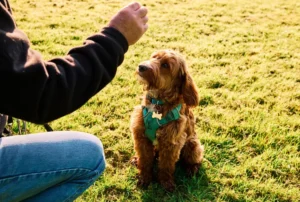
Training for a Bolognese Dogs can commence as early as eight weeks of age, a critical window for soaking up foundational manners and social skills. Starting this early helps set boundaries and builds a strong communicative bond between you and your puppy before they develop stubborn habits.
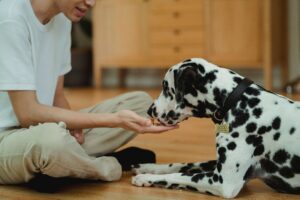
Because this breed is remarkably sharp and eager to please, they often master new commands much faster than other toy breeds. However, their intelligence means they can get bored with repetitive drills, so it is vital to keep your curriculum varied and engaging. Utilizing positive reinforcement—such as high-value treats, verbal praise, and favorite toys—is the most effective way to motivate them. Keep these educational sessions brief, perhaps five to ten minutes at a time, to match their attention span and ensure that learning remains a fun, stress-free experience for both of you. Consistent, gentle guidance during these formative months will result in a confident, well-adjusted adult dog.
Common Health Problems
The Bolognese Dogs is recognized for being a generally robust and healthy breed with a typical lifespan of 12 to 14 years. However, like most toy breeds, they are genetically predisposed to specific conditions such as patellar luxation—where the kneecap slips out of place—and Legg-Calve-Perthes disease, which affects the blood supply to the hip joint and often requires surgery.
In addition to these structural concerns, owners should be vigilant about several other potential health problems:
- Dental Disease: Due to their small mouths, they are highly prone to plaque buildup and periodontal infections; daily brushing is essential.
- Eye Anomalies: The breed can suffer from cataracts and Progressive Retinal Atrophy (PRA), an inherited condition that leads to gradual vision loss and eventual blindness.
- Obesity: Their calm nature and appetite for treats make them susceptible to weight gain, which can exacerbate joint issues and lead to diabetes.
- Urinary and Digestive Issues: They may occasionally deal with urinary stones or digestive sensitivities, including food allergies that manifest as skin irritation.
- Ear Infections: Their floppy, hair-covered ears can trap moisture and debris, making regular cleaning vital to prevent chronic infections
Diet and Nutrition
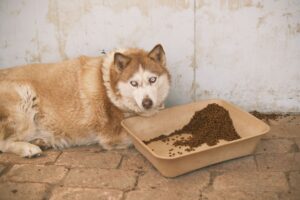
To ensure your Bolognese dogs lives a long and vibrant life, it is essential to provide high-quality nutrition tailored to their specific life stage—from the rapid growth of puppyhood to the specialized needs of their senior years. Small-breed formulas are generally the best choice, as the kibble size is safer for their tiny mouths and the nutrient density supports their unique metabolism. Since every dog is an individual, collaborating with your veterinarian is the most effective way to establish a precise meal plan and portion control strategy based on your Bolo’s specific weight and daily activity levels.
Because their voluminous, curly coats act as a visual camouflage, it is nearly impossible to judge a Bolognese Dogs body condition just by looking at them. You must perform a “hands-on” check regularly by feeling along their sides and back; you should be able to easily feel the ribs and hipbones under a thin layer of muscle without having to press through excess fat. Maintaining a lean frame is particularly critical for this breed to prevent unnecessary strain on their delicate joints and to lower the risk of chronic conditions like heart disease or diabetes.
If you find that your pet has become a bit too “fluffy,” your vet can help you pivot to a weight-management plan. Reducing high-calorie treats and replacing them with low-calorie alternatives like green beans can make a huge difference. Additionally, introducing interactive puzzle feeders is a brilliant way to slow down fast eaters while providing mental stimulation. Increasing daily engagement through extra indoor play or slightly longer walks will help burn those extra calories, ensuring your companion stays nimble and energetic for years to come.
Where to Adopt or Buy a Bolognese dogs
Locating a Bolognese in a rescue setting can be a significant undertaking, as their rarity means they are seldom found in traditional animal shelters. Because they are highly valued and relatively uncommon, most displaced Bolos are handled through private networks. For those committed to adoption, the best strategy is to register with the American Bolognese Club’s dedicated Re-Home, Adoption, and Rescue Program; this ensures you are on the shortlist should a dog requiring a new “forever home” emerge within their community.
If you decide to go the breeder route, expect to invest considerable time in finding a reputable professional who prioritizes health testing and socialization. Because the breed is so niche, be prepared for the likelihood of joining a lengthy waiting list—sometimes lasting six months to a year—and potentially traveling across state lines to pick up your new companion. Financially, a well-bred puppy typically ranges from $1,000 to $2,500, though these figures can climb higher for dogs with prestigious show pedigrees or from champion bloodlines.
To start your search, check out these resources for rescues, the national breed club, and the AKC:
- American Bolognese Club Breeder Directory
- American Bolognese Club Re-Home, Adoption, and Rescue Program
- AKC Bolognese Breeders
More Dog Breeds and Further Research
Before you bring home a new dog, explore similar breeds to compare their personalities and care requirements. Speak to owners, breeders, and rescue groups and meet a few Bolognese pups in person to learn more.
If you love the Bolognese dog, you may also be interested in these similar breeds:
Bolognese Dog FAQs
1. What is a Bolognese dog?
The Bolognese dog is a small, fluffy companion breed known for its affectionate and loyal personality. Originating from Italy, this toy breed is part of the Bichon family and is loved for its calm temperament and strong bond with its owners.
2. Are Bolognese dogs good family pets?
Yes, Bolognese dogs are excellent family pets. They are gentle, friendly, and get along well with children and other pets. Their loving nature makes them ideal for families, seniors, and even apartment living.
3. Do Bolognese dogs shed a lot?
No, Bolognese dogs are considered low-shedding dogs. Their curly, wool-like coat sheds very little, making them a good choice for people with mild allergies. However, regular grooming is still required to prevent matting.
4. How much exercise does a Bolognese dog need?
Bolognese dogs have moderate exercise needs. Daily short walks and indoor playtime are enough to keep them happy and healthy. They are not overly energetic but enjoy spending time with their owners.
5. Are Bolognese dogs easy to train?
Bolognese dogs are intelligent and eager to please, which makes them relatively easy to train. Positive reinforcement methods like treats and praise work best. Early socialization and consistent training are important.
6. How long do Bolognese dogs live?
The average lifespan of a Bolognese dog is around 12 to 14 years. With proper care, a balanced diet, and regular veterinary check-ups, they can live a long and healthy life.