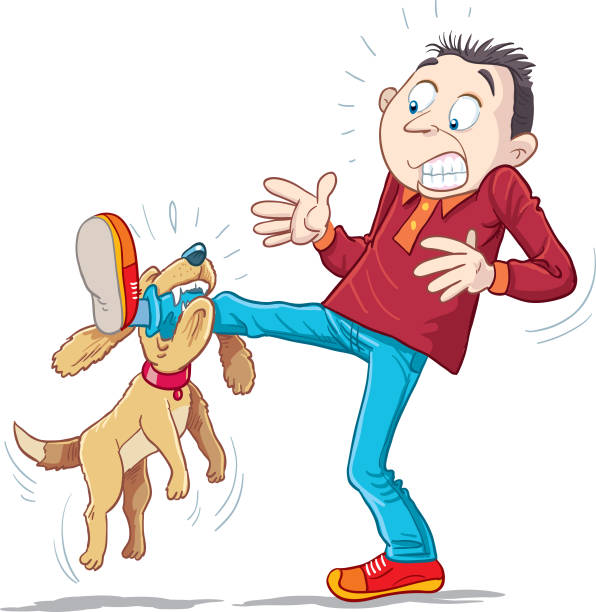
A dog bite is a jarring, traumatic experience that often leaves victims in a state of sudden shock and physical distress. In the heat of the moment, the sharp sting of pain and the rush of adrenaline can make it nearly impossible to think clearly or react logically. While the immediate focus is naturally on the visible laceration or bruising, the true peril often lies beneath the surface. Because a canine’s mouth is a breeding ground for diverse bacteria, their teeth act like biological needles, depositing harmful pathogens deep into your muscle and tissue. This creates a significant risk for aggressive infections or, in more serious scenarios, potential exposure to life-threatening diseases like rabies.
Understanding the biological impact of a canine attack is essential for recognizing why your immediate response is so critical. Because a dog bit injury can introduce dangerous pathogens deep into your body, proper first aid acts as a vital defensive measure. It is designed to stop a manageable wound from spiraling into a severe, systemic health crisis or a life-threatening infection. Should you ever find yourself facing this frightening ordeal, following these 7 definitive steps will help you navigate the aftermath of a dog bit incident safely and effectively
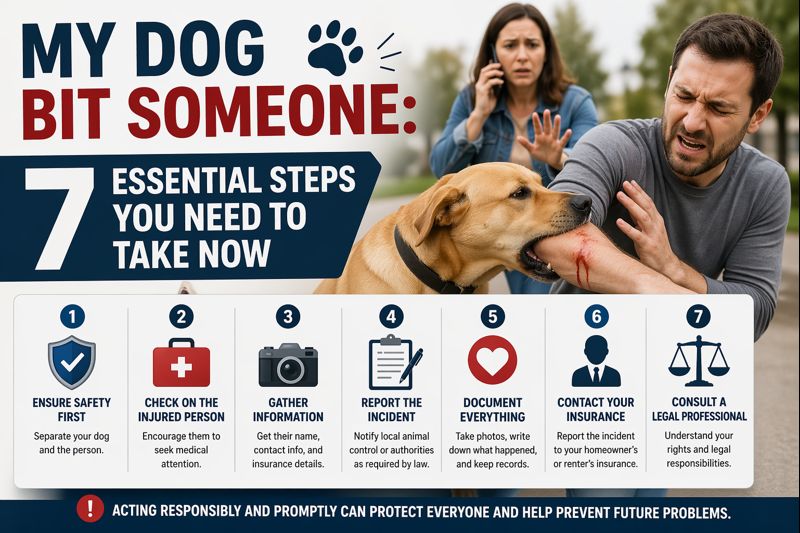
Prioritize Your Immediate Safety
Securing the area is the absolute, non-negotiable first step in any emergency involving an animal. You simply cannot begin to effectively administer first aid or assess injuries if you remain in the immediate line of fire or at risk of being aggressively attacked a second time. Before anything else, your primary objective must be to distance yourself and any bystanders from the animal to prevent further harm. This might mean moving to a different room, stepping behind a sturdy barrier, or getting into a vehicle. Only once a physical boundary is established can you shift your focus from survival to medical care, ensuring that no additional victims are created during the initial chaos.
Step 1: Distance and De-escalation
It is vital to retreat with composure; avoid the urge to bolt or cry out, as sudden movements and high-pitched noises can accidentally reactivate a dog’s predatory drive or heighten its fear. Instead, maintain a steady gaze and back away at a measured pace. Your goal is to place a physical buffer—whether it’s a piece of furniture, a bag, or a solid door—between yourself and the animal to break visual contact and ensure safety.
Step 2: Animal Containment
If you are familiar with the dog or its owner, ensure the animal is immediately confined in a separate room, a secure crate, or a locked yard to prevent a secondary incident. However, if the dog is a stray or unknown to you, do not attempt to capture or handle it. In that scenario, your only responsibility is to remove yourself from the area as quickly and safely as possible.
Step 3: Emotional Stabilization
Once you have reached a secure location, pause to take a few deep, centering breaths. While your body will be flooded with adrenaline, reacting in a state of panic can lead to mistakes during first aid. To properly assess the severity of the bite and treat the wound effectively, you must first stabilize your own nerves and regain a clear, focused mindset.
Step 4: Clean the Wound Thoroughly
As soon as you are safe, place the injury under warm, running water for several minutes. While it may be uncomfortable, this constant flow helps flush out the bacteria-laden saliva that a dog’s teeth can inject deep into your skin. Use a mild, unscented soap to gently wash the surrounding area, but avoid harsh chemicals like hydrogen peroxide or rubbing alcohol at this stage, as they can sometimes damage sensitive tissue and delay the natural healing process.
Step 5: Apply Pressure and Assess
If the wound is bleeding, use a clean, dry cloth or sterile gauze to apply firm, direct pressure until the flow subsides. This is the best time to carefully inspect the injury: look for deep puncture marks, jagged tears, or any debris that might be trapped inside. If the bleeding is heavy or won’t stop after ten minutes of continuous pressure, it’s a clear sign that you need to seek professional medical help immediately.
Step 6: Apply Antibiotic Ointment and Bandage
Once the bleeding is controlled and the area is dry, apply a thin layer of over-the-counter antibiotic cream to provide a protective barrier against airborne germs. Cover the bite with a sterile adhesive bandage or a clean wrap. This doesn’t just keep the wound clean; it also protects it from further irritation or accidental contact while you plan your next steps.
Step 7: Seek Professional Medical Advice
Regardless of how “minor” the bite looks, you should contact a doctor or visit an urgent care clinic. Dog bites are notoriously prone to infection, and a medical professional will need to determine if you require a tetanus booster or a course of preventative antibiotics. Furthermore, if the dog’s vaccination history is unknown, they will need to assess the risk of rabies and begin the necessary protocols to keep you safe.
Related : Bolognese Dogs (Bolo): Breed Characteristics & Care
Gather Vital Information and Document the Scene
Once you have stabilized your injury and are in a safe environment, shift your focus to gathering as much information as possible. In the confusion that follows an attack, many people forget these details, but they are essential for verifying the dog’s health status—particularly regarding rabies—and for establishing a clear record of the incident
- Identify the Owner: If the dog belongs to someone nearby, politely but firmly request the owner’s full name, telephone number, and residential address.
- Verify Vaccination History: Specifically ask for the date of the dog’s last rabies vaccination and the contact information for their veterinarian to confirm this record.
- Locate Witnesses: Look around for anyone who saw the attack. Witness accounts are invaluable because they provide an objective perspective on the dog’s behavior and the sequence of events leading up to the bite. Collect their:
- Full names and phone numbers.
- Brief written or recorded statements of what they saw while the memory is still fresh.
- Take Photographic Evidence: Use your phone to capture clear photos of:
- The wound before and after cleaning.
- The dog (if it is safe to do so) to record its breed, color, and size.
- The location where the incident occurred, including any broken fences or missing leashes that contributed to the attack.
- Any torn or bloody clothing.
- File an Official Report: Contact your local animal control agency or police department. A formal report creates a legal paper trail, helps authorities track potentially dangerous animals, and ensures the dog is properly monitored for disease
If the dog was a stray and no owner is present, focus entirely on recording a vivid description of the animal and its last known direction so that authorities can attempt to locate it for testing
FAQ
- What should I do immediately if a dog bit me?
If a dog bit you, the first priority is to move to a safe location away from the animal. Once secure, wash the wound thoroughly with mild soap and warm running water for at least 5 to 15 minutes to flush out bacteria and saliva. Apply a sterile bandage and seek medical attention within 8 hours to prevent serious infection. - Do I need a rabies shot after a dog bit my skin?
You should seek medical evaluation for a rabies vaccine if a dog bit you and its vaccination history is unknown, or if the animal was a stray acting erratically. Rabies is nearly 100% fatal once symptoms appear but is entirely preventable with immediate post-exposure prophylaxis (PEP). - Can I get an infection even if a small dog bit me?
Yes, any dog bit incident that breaks the skin carries a high risk of infection because canine mouths harbor diverse bacteria like Pasteurella and Capnocytophaga. Even minor-looking puncture wounds can trap these germs deep in the tissue, potentially leading to sepsis or permanent damage if left untreated. - Who is legally responsible if a dog bit someone on my property?
Generally, the owner is strictly liable for any damages if their dog bit a person who was lawfully on the property and not provoking the animal. Legal responsibility often includes covering medical expenses and pain and suffering, though specific laws vary by state or local jurisdiction. - What are the signs of infection to watch for after a dog bit incident?
After a dog bit injury, monitor the area closely for increased redness, swelling, warmth, or intense pain. If you notice foul-smelling discharge, red streaks spreading from the wound, or if you develop a fever, contact a doctor immediately as these are clear signs of a worsening bacterial infection. - Should I report it to authorities if a neighbor’s dog bit me?
Yes, you should report the incident to local animal control or the police. Reporting that a dog bit you creates an official record, helps track potentially dangerous animals, and ensures the dog is monitored for rabies to protect the wider community.