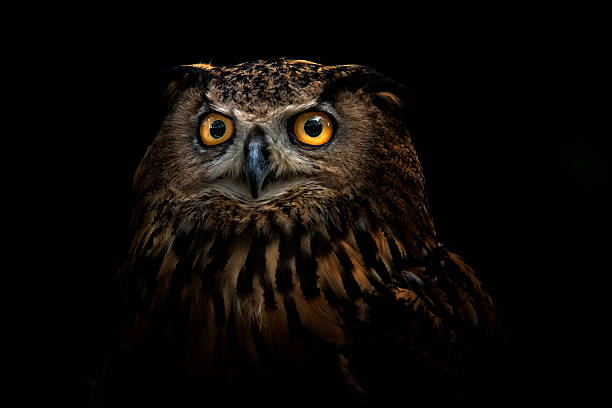
The idea of owning a pet owl has captured the imagination of many people, especially in recent years. With their mysterious eyes, silent flight, and intelligent demeanor, owls seem like fascinating companions. Popular culture has only amplified this fascination, often portraying owls as loyal, magical, and easy-to-care-for pets. But the reality is far from what most people expect.
Owning a pet owl is not only impractical—it can also be harmful to both the bird and the owner. These majestic creatures are wild animals with very specific needs that are difficult, if not impossible, to meet in a home environment. Before you consider bringing an owl into your life, it’s important to understand why this decision can lead to serious consequences.
Let’s explore six crucial reasons why owning a pet owl is not a good idea.
1. Owls Are Wild Animals, Not Domesticated Pet Owl
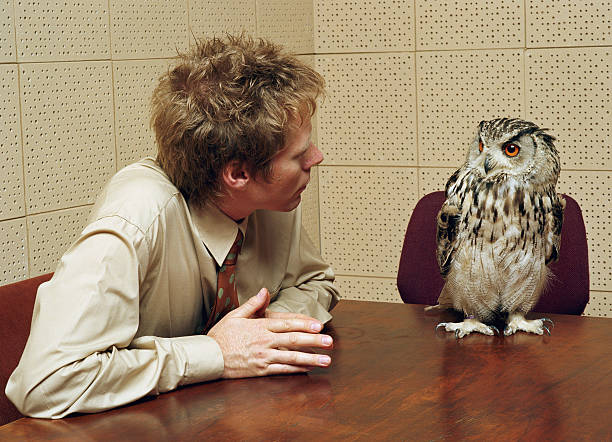
Unlike dogs and cats, owls have never been domesticated. Domestication is a process that takes thousands of years, during which animals adapt to living alongside humans. Owls, on the other hand, remain completely wild, even if raised in captivity.
This means they do not form the same emotional bonds with humans as traditional pets. While an owl may tolerate your presence, it will not seek affection, companionship, or interaction in the way a dog or cat would. In fact, many owls prefer solitude and can become stressed when forced into close human contact.
Trying to treat an owl like a pet often leads to frustration for the owner and anxiety for the bird. Their instincts remain intact—they are hunters, not companions.
2. Legal Restrictions and Permits
In many countries, including India, it is illegal to own most species of owls without special permits. Owls are often protected under wildlife conservation laws because they play a critical role in ecosystems and are vulnerable to illegal trade.
For example, in India, owls are protected under the Wildlife Protection Act, 1972. Keeping one as a pet without authorization can result in heavy fines and even imprisonment. Similar regulations exist in countries like the United States and the United Kingdom.
Even in places where permits are available, they are typically granted only to trained professionals such as wildlife rehabilitators or falconers—not casual pet owners.
Ignoring these laws doesn’t just risk legal trouble; it also contributes to the illegal wildlife trade, which threatens owl populations worldwide.
3. Specialized Diet and Feeding Challenges
Owls are carnivorous predators with very specific dietary needs. In the wild, they hunt and consume whole prey such as rodents, small birds, and insects. This means that feeding an owl is not as simple as pouring kibble into a bowl.
A proper owl diet often includes:
- Whole mice or rats
- Chicks or small birds
- Occasionally insects or fish
These prey items are typically fed whole—bones, fur, feathers, and all—because they provide essential nutrients. After eating, owls regurgitate indigestible parts in the form of pellets.
For most people, handling dead animals and dealing with regurgitated pellets is unpleasant and impractical. Additionally, maintaining a consistent and nutritionally balanced diet requires knowledge, effort, and access to proper food sources.
Improper feeding can lead to serious health issues, including malnutrition and digestive problems.
4. Nocturnal Behavior and Disruptive Lifestyle
Pet Owl are primarily nocturnal, meaning they are most active during the night. While you’re trying to sleep, your owl would be wide awake—hunting, calling, and moving around.
Owls are not quiet pets. Many species produce loud, piercing calls that can echo through a home or neighborhood, especially during mating seasons. Their activity at night can include:
- Screeching or hooting
- Flapping wings
- Moving around enclosures
- Attempting to hunt
This can quickly become disruptive, not only for you but also for your neighbors. Over time, the mismatch between your schedule and the owl’s natural rhythm can lead to stress on both sides.
5. High Maintenance and Lack of Veterinary Care
Owls require specialized care that goes far beyond what most pet owners are prepared to provide. Their housing alone is a major challenge—they need large, secure aviaries that allow them to fly and exercise.
A typical home environment is simply not suitable. Keeping an owl in a small cage can lead to:
- Physical injuries
- Feather damage
- Psychological stress
Additionally, finding a veterinarian who is experienced in treating owls can be extremely difficult. Exotic animal vets are not widely available, and even fewer specialize in birds of prey.
Routine care, illness treatment, and emergency services can be expensive and hard to access. Without proper medical attention, even minor health issues can become life-threatening.
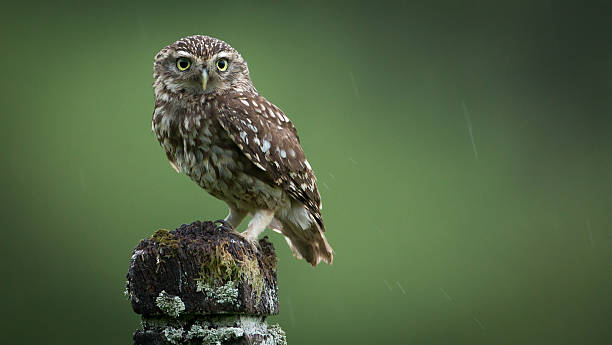
6. Ethical Concerns and Animal Welfare
Perhaps the most important reason not to own a pet owl is the ethical one. Owls belong in the wild, where they can hunt, fly freely, and live according to their natural instincts.
Capturing or breeding owls for the pet trade often involves:
- Removing chicks from nests
- Keeping birds in confined conditions
- Disrupting natural populations
Even when obtained legally, keeping an owl in captivity rarely meets its physical and psychological needs. These birds are not meant to live in homes or small enclosures.
By choosing not to own an owl, you are helping to protect these animals and support their conservation in the wild.
Related : Top 5 Smartest Birds You Can Keep as Pets
What to Do Instead: Responsible Alternatives
If you’re fascinated by owls, there are many ethical and rewarding ways to appreciate them without keeping one as a pet:
1. Visit Wildlife Sanctuaries
Many wildlife centers care for injured or rescued owls. Visiting these places allows you to observe them up close while supporting conservation efforts.
2. Support Conservation Organizations
Donating to or volunteering with wildlife organizations helps protect owl habitats and populations.
3. Birdwatching
Owls can sometimes be spotted in the wild, especially in rural or forested areas. Birdwatching offers a natural and respectful way to enjoy their beauty.
4. Learn and Educate
The more people understand about owls, the better we can protect them. Share knowledge and raise awareness about why they should not be kept as pets .
Frequently Asked Questions (FAQs) About Owning a Pet Owl
1. Can owls be kept as pets legally?
In most countries, including India, keeping owls as pets is illegal without special permits. Under the Wildlife Protection Act, 1972, owls are protected species. Owning, buying, or selling them can lead to fines and imprisonment.
2. Do owls bond with humans like dogs or cats?
No, owls do not form emotional bonds the way domesticated pets do. They may tolerate a handler, especially in falconry settings, but they are still wild animals and do not seek affection or companionship.
3. What do pet owls eat?
Owls require a strict carnivorous diet consisting of whole prey such as mice, rats, chicks, and insects. They eat bones, fur, and feathers, and later regurgitate pellets. This makes their feeding routine difficult for most households.
4. Are owls dangerous to humans?
Yes, owls can be dangerous. They have sharp talons and strong beaks designed for hunting. Even a small owl can cause injuries if it feels threatened or stressed.
5. Can owls be trained like other birds?
Owls can be trained to a limited extent, mainly by professionals in falconry. However, they are not as responsive or adaptable as parrots and do not perform tricks or interact playfully with humans.
6. Why are owls not suitable for home environments?
Owls need large spaces to fly, hunt, and behave naturally. They are nocturnal, noisy, and require specialized care. A typical home cannot meet their physical or psychological needs.
7. Is it ethical to own an owl as a pet?
No, it is generally considered unethical. Owls belong in the wild, and keeping them in captivity often leads to stress, poor health, and restricted natural behavior.
8. What should I do if I find an injured Pet owl ?
If you find an injured owl, contact a local wildlife rescue organization or forest department immediately. Do not try to keep it as a pet. Trained professionals can provide proper care and rehabilitation.
9. Are there any birds similar to owls that can be kept as pet Owl?
If you’re interested in birds, domesticated species like parrots or budgies are more suitable. They are bred for companionship and adapt better to human environments compared to owls.
10. How can I interact with Pet owl safely and ethically?
You can visit wildlife sanctuaries, join birdwatching groups, or support conservation programs. This allows you to appreciate owls without harming them or breaking laws.
Final Thoughts
Owning a pet owl might sound exciting, but the reality is far more complicated and often disappointing. These birds are not suited for domestic life, and attempting to keep one can lead to legal issues, ethical concerns, and harm to the animal.
Owls are symbols of wisdom, mystery, and the natural world. The best way to honor them is not by confining them, but by respecting their place in the wild.
Before making any decision about owning an exotic animal, it’s important to ask yourself a simple question: Is this truly in the best interest of the animal?
In the case of owls, the answer is clear.
They are better admired from a distance—free, wild, and exactly where they belong.