Out of all the different finches you could choose, the zebra finch is a clear favorite for home life. These sturdy little birds are incredibly simple to look after, making them a fantastic starting point for anyone just beginning their journey into bird ownership. Since they are happiest living in pairs, they focus on each other for company, which means you don’t have to worry about them getting lonely if you’re away during the day. Other species might have brighter colors, but very few can match the zebra finch when it comes to being a hardy, self-sufficient, and genuinely easygoing roommate.
Origin and History of Zebra Finch
In their native scrublands across central Australia, Indonesia, and East Timor, these vibrant socialites congregate in massive, bustling colonies. Beyond their ancestral home, they’ve successfully established flourishing populations in Costa Rica and Portugal, proving their remarkable ability to adapt to diverse landscapes. They specifically seek out lush grasslands and dense forests, always prioritizing proximity to reliable water sources to sustain their active, communal lifestyle
Temperament
These tiny, energetic wonders are incredibly engaging to observe, though their small stature is deceptive; they require expansive enclosures to accommodate their vigorous flying habits. Because they are deeply social creatures, they thrive best in pairs, though keeping a group of females is a smart way to prevent the prolific breeding that typically occurs between males and females. Experts often suggest housing them in either a single pair or larger colonies of six or more to maintain a healthy social dynamic. Naturally, as your flock grows, you must upgrade to a spacious flight cage or a full-scale aviary to ensure every bird has ample room to soar and interact.
While zebra finches are incredibly social within their own flocks, they rarely develop deep emotional attachments to their human caretakers. They can certainly become accustomed to your presence through consistent, gentle interaction, yet they typically find physical handling stressful rather than enjoyable. However, with significant patience and dedicated daily training sessions, you may successfully encourage a zebra finch to confidently perch on your finger for a brief visit.
Speech and Vocalizations
Zebra finches are renowned for their intricate repertoire of melodic whistles and rhythmic calls, often engaging in a soft, trilling conversational song that fills a room with gentle energy. In a fascinating display of avian mentorship, adult males act as dedicated tutors, teaching young chicks foundational vocalizations which the fledglings eventually refine into their own unique, personalized masterpieces. These creative improvisations frequently incorporate surprising mimics of environmental noises, from household beeps to distant sirens. To further encourage this natural artistry, many enthusiastic bird keepers regularly sing to their feathered companions or curate diverse musical playlists, providing a rich acoustic landscape that inspires the birds to develop even more complex and inventive melodies.
Zebra Finch Colors and Markings
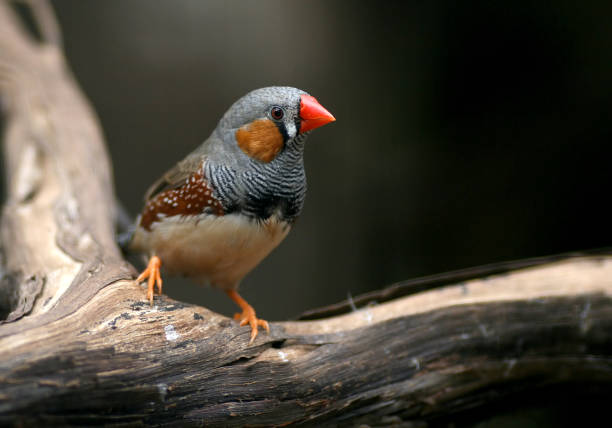
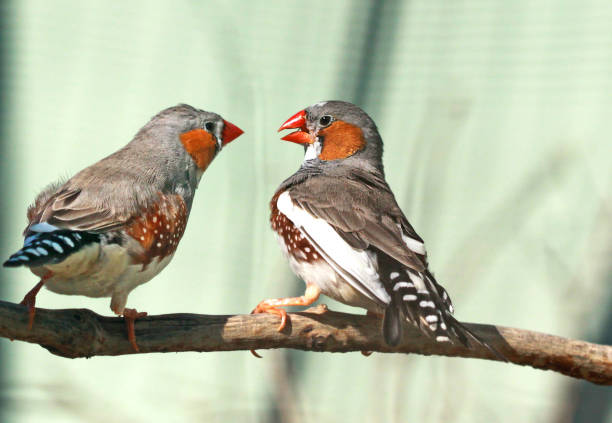
Zebra finches are striking birds known for their distinct sexual dimorphism, allowing for effortless identification of males and females. Males are easily recognized by their vibrant orange cheek patches, chestnut-colored flanks, and bold zebra-like stripes across the chest. In contrast, females display a more subtle, uniform grey plumage in these specific regions.
Beyond their natural patterns, these charming Australian natives have been selectively bred to produce a stunning array of color mutations, including fawn, white, and pied varieties. Their cheerful personalities and social nature make them a favorite among enthusiasts. Interestingly, while both sexes feature orange beaks, the male’s beak is typically a deeper, more saturated red, serving as a secondary indicator of their gender and vitality.
Caring
For zebra finches, prioritize horizontal flight room over cage height to support their natural side-to-side movement. A pair thrives in a space at least 30 inches long by 18 inches wide and high. If you are keeping a larger colony, a spacious flight cage or walk-in aviary is essential for their well-being. To ensure safety and prevent escapes, keep the wire spacing between 1/4 and 1/2 inch. Proper dimensions are crucial because these active birds spend most of their day darting back and forth rather than climbing vertically.
Equip the enclosure with an assortment of perches, such as varied-diameter dowels or natural, pesticide-free branches. Position them at diverse angles to promote foot health through different gripping positions, but avoid overcrowding the space to maintain clear flight paths. Since these birds are highly active, keeping the central area open is vital for their exercise and mental stimulation, allowing them to glide freely without hitting obstacles.
Enhance the habitat with swings and small bells to encourage activity, though be aware that finches often treat ladders as stationary perches rather than climbing tools. While they aren’t as toy-oriented as larger hookbills, providing these items offers mild mental stimulation and enriches their environment.
To ensure their well-being, place the enclosure in a peaceful, low-traffic corner of your home. These small birds are naturally timid and prefer the company of their own kind over human contact. By keeping them away from noisy, bustling household centers, you reduce their stress levels significantly, allowing them to feel safe and secure in their own social community.
Common Health Problems In Zebra Finch
A scaly beak or face in zebra finches often signals a parasitic mite infestation requiring professional medical intervention. These birds are also highly susceptible to respiratory air-sac mites, a life-threatening condition frequently triggered by environmental stress. Because breathing difficulties escalate rapidly, you must prioritize an urgent consultation with an avian specialist to ensure your pet receives the precise life-saving treatment and diagnostic care necessary for a full recovery.
Related : Meet the 8 Genius Smartest Birds You Can Own
Diet and Nutrition for Zebra finch
Wild finches are natural foragers that spend their days scouring the environment for a diverse mix of seeds sourced from various grasses, weeds, pine cones, and wild berries. Certain species will even meticulously tear through whole fruits just to extract the nutrient-dense seeds hidden inside, casually casting aside the remaining pulp once they have finished.
To satisfy these deep-seated biological instincts within a home setting, try positioning food bowls directly on the enclosure floor—well away from overhead perches to prevent contamination—or secure feeders to the cage walls. This intentional placement encourages active movement and mental engagement, effectively recreating the physical challenges of their native habitat and promoting overall well-being through simulated natural searching behaviors.
Daily nourishment for your finches should consist of one to two teaspoons of a premium seed blend. You can easily verify the freshness of your supply by attempting to sprout a small portion in a sealed bag with a moist paper towel; if they fail to germinate, the batch is stale and lacks vital nutrients. These sprouted seeds are nutritional powerhouses, offering concentrated vitamins that far exceed those found in dry, dormant seeds.
Complement this base with a daily tablespoon of finely chopped “birdie salad,” incorporating nutrient-rich greens like romaine, dandelion, kale, and limited amounts of spinach. Mixing in a colorful assortment of fresh seasonal vegetables and fruits further rounds out their diet. However, you must strictly avoid feeding avocado, as it contains persin—a dangerous toxin that is frequently fatal to most avian species and can cause rapid heart failure .
To ensure a balanced diet, consistently experiment with various ingredients to discover your birds’ preferences, as finches are notoriously picky and often require multiple exposures before they feel comfortable trying unfamiliar items. Persistence is key when introducing one teaspoon of high-quality pelleted food daily, as these formulations provide a precise, scientifically grounded nutritional foundation that prevents the selective feeding habits often seen with standard seed mixes.
Twice a week, bolster their protein intake by offering mashed hard-boiled eggs or a specialized commercial egg food, a practice that is particularly vital for supporting the intense metabolic demands of breeding pairs. Always provide a cuttlebone to supply essential calcium and help naturally wear down their growing beaks; however, avoid traditional grit entirely, as modern avian research suggests it is unnecessary for digestion and may even cause dangerous internal blockages if consumed in large quantities.
Millet sprays are an absolute favorite treat for finches, often eliciting great excitement, but they should only be offered as an occasional reward rather than a dietary staple. Overindulgence can lead to a dangerous selective preference where your bird ignores more nutritious options in favor of these tasty seeds, potentially resulting in long-term vitamin deficiencies or obesity if left unmonitored by the owner.
To maintain optimal hygiene, you must supply fresh, filtered drinking water every single morning and thoroughly sanitize all feeding containers at the conclusion of each day. This routine is essential for preventing the rapid growth of harmful bacteria and mold, which can thrive in damp food remnants and pose a significant risk to your finch’s delicate respiratory and digestive systems.
Exercise for Zebra Finch
Zebra finch maintain their physical fitness primarily through short, rapid bursts of horizontal flight across their enclosure and active climbing among various perches and textured branches. It is absolutely vital that your cage or aviary provides ample horizontal length rather than just height, as this specific design allows your zebra finch to achieve the full wingspan extension necessary for cardiovascular health.
Beyond these natural daily movements, these compact birds do not require structured play or intensive external exercise routines to stay healthy. By simply ensuring their environment is spacious enough for unobstructed flight, you satisfy their biological need for activity while preventing the muscle atrophy and obesity often seen in cramped housing conditions that restrict their natural, energetic mobility.
Where to Adopt or Buy a Zebra Finch
Zebra finches are usually sold at pet stores, by breeders, at rescues, or via adoption agencies. They typically cost between $20 and $100, depending on color mutation. Some online sources for finding birds include:
If you’re going the breeder route, ask the breeder long they have been breeding and working with the species. If you can, tour their facility. Look for signs of good overall health of the flock. The birds should be active and alert with bright eyes, clean feathers, and full crops.