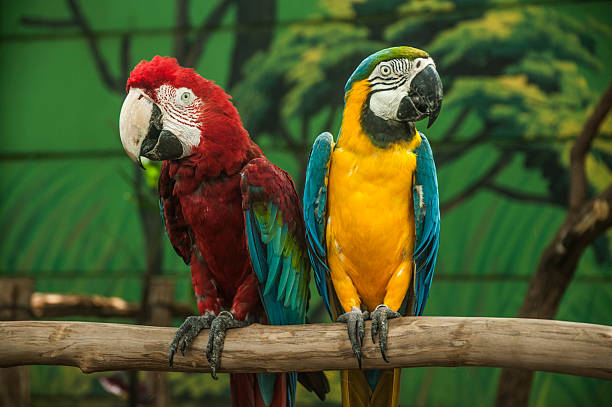
The Blue and Gold Macaw is one of the most beautiful and intelligent parrots in the world. Known for its bright blue wings, golden-yellow chest, and playful personality, this large parrot has become a favorite among bird lovers. Beyond its striking appearance, the Blue and Gold Macaw is highly social, forms deep bonds with its owners, and can live for several decades with proper care.
However, owning one is a long-term commitment. These birds require daily attention, mental stimulation, and plenty of space to stay healthy and happy. Before bringing one home, it’s important to understand their needs and whether they fit your lifestyle.
In this guide, you’ll learn everything about the Blue and Gold Macaw, including its history, personality, care requirements, diet, lifespan, and more.
Blue and Gold Macaw Species Overview
| Feature | Details |
|---|---|
| Common Names | Blue and Gold Macaw, Blue and Yellow Macaw |
| Scientific Name | Ara ararauna |
| Family | Psittacidae |
| Origin | Central and South America |
| Size | 30–36 inches (76–91 cm) |
| Weight | 900–1,500 grams |
| Wingspan | Up to 42 inches |
| Lifespan | 30–60 years, sometimes longer with excellent care |
| Diet | Fruits, vegetables, pellets, nuts, and seeds |
| Temperament | Intelligent, affectionate, playful, social |
| Talking Ability | Excellent |
| Difficulty Level | Intermediate to Advanced |
Origin and History of the Blue and Gold Macaw
The Blue and Gold Macaw is native to the tropical regions of Central and South America. Its natural range stretches from Panama through countries such as Colombia, Venezuela, Brazil, Peru, Bolivia, Ecuador, Paraguay, and parts of northern Argentina.
These parrots thrive in rainforests, woodland edges, palm groves, and areas close to rivers and wetlands. They usually travel in pairs or small family groups but may gather in larger flocks when searching for food or resting together.
For centuries, Indigenous communities admired these colorful birds for their beauty and intelligence. Unfortunately, habitat loss, illegal pet trade, and deforestation have reduced wild populations in some regions.
Today, many Blue and Gold Macaws kept as pets are responsibly bred in captivity. Ethical breeding programs have helped reduce pressure on wild populations while making these magnificent birds more available to responsible owners.
Although captive breeding has improved their availability, protecting their natural habitats remains essential for the long-term survival of wild Blue and Gold Macaws.
The Blue and Gold Macaw is more than just a colorful bird. Its rich history, remarkable intelligence, and strong social nature make it one of the most fascinating parrots in the world. In the next section, we’ll explore its personality, talking ability, and stunning appearance in detail.
Blue and Gold Macaw Personality, Talking Ability, and Appearance
Blue and Gold Macaw Personality
One of the biggest reasons people love the Blue and Gold Macaw is its friendly and affectionate personality. These birds are highly social and enjoy spending time with their human family. When raised in a caring environment, they often develop strong bonds with their owners and thrive on daily interaction.
A well-socialized Blue and Gold Macaw is curious, confident, and eager to explore its surroundings. They love being involved in household activities and often follow their favorite person from room to room. Many owners compare them to dogs because they enjoy companionship and attention throughout the day.
Because they are extremely intelligent, these parrots need regular mental stimulation. Without enough toys, training, or interaction, they can become bored and develop unwanted behaviors such as excessive screaming or chewing on household items.
Key Personality Traits
- Friendly and affectionate
- Highly intelligent and quick to learn
- Curious and playful
- Loyal to family members
- Social with proper training
- Loves attention and daily interaction
- Can become noisy if ignored
Early socialization is important. Introducing your Blue and Gold Macaw to different people, environments, and experiences helps it become a confident and well-adjusted companion.
Can a Blue and Gold Macaw Talk?
Yes! The Blue and Gold Macaw is considered one of the better talking parrots. While they may not have the largest vocabulary among parrot species, they are excellent at copying words, phrases, and everyday sounds.
With consistent training and positive reinforcement, many Blue and Gold Macaws learn dozens of words and short sentences. They can also imitate laughter, whistles, phone ringtones, doorbells, and other sounds they hear regularly.
These birds enjoy interacting with people, which makes speech training both fun and rewarding.
Tips for Teaching Your Macaw to Talk
- Repeat words clearly every day.
- Keep training sessions short and positive.
- Reward successful attempts with praise or healthy treats.
- Use the same words consistently.
- Practice when your bird is calm and attentive.
Remember that every bird learns at its own pace. Some Blue and Gold Macaws become impressive talkers, while others prefer communicating through whistles, sounds, and body language.
Blue and Gold Macaw Appearance
The Blue and Gold Macaw is one of the most recognizable parrots in the world thanks to its striking colors and impressive size.
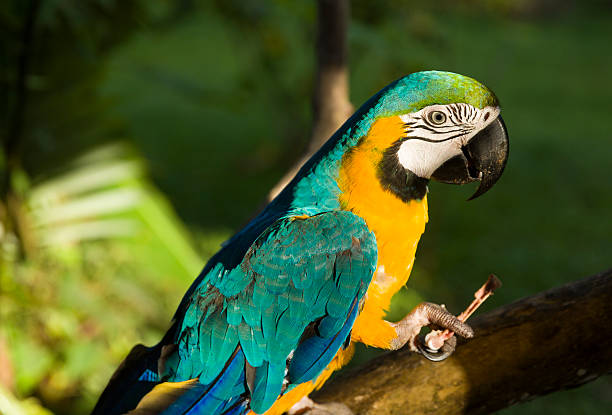
Its upper body, wings, and long tail display brilliant shades of blue, while its chest, belly, and lower body are covered in rich golden-yellow feathers. A green patch sits on the forehead, creating a beautiful transition between the black beak and blue crown.
Another unique feature is the large white facial patch around each eye. These bare skin areas are lined with tiny black feather stripes, giving the bird a distinctive appearance.
Physical Characteristics
- Bright blue wings and back
- Golden-yellow chest and belly
- Green forehead
- Large black curved beak
- White facial skin with thin black feather lines
- Long, elegant blue tail
- Strong grey feet designed for climbing and holding food
Adult Blue and Gold Macaws typically grow between 30 and 36 inches (76–91 cm) in length and have a wingspan of up to 42 inches (107 cm). Their powerful beaks easily crack hard nuts and help them climb through trees.
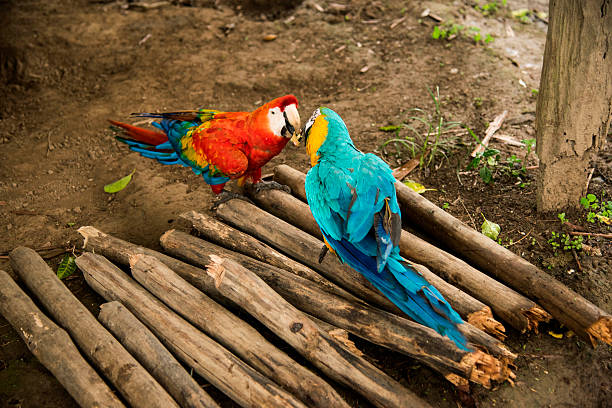
Related: Military Macaw: Bird Species Profile
Male vs Female Blue and Gold Macaw
Male and female Blue and Gold Macaws look almost identical. Their feather colors, size, and markings are so similar that it is nearly impossible to determine their sex by appearance alone.
Although some bird owners believe males have broader heads or females have slightly narrower beaks, these differences are not reliable.
The most accurate ways to identify the bird’s sex are:
- DNA testing
- Veterinary surgical sexing (rarely needed today)
For most pet owners, DNA testing is the safest and most accurate option.
The Blue and Gold Macaw combines intelligence, beauty, and an affectionate personality, making it one of the most rewarding companion parrots for experienced bird owners. In the next section, we’ll cover housing requirements, daily care, common health issues, and the best diet for keeping your macaw healthy and happy.
Blue and Gold Macaw Care, Health, and Diet
How to Care for a Blue and Gold Macaw
Caring for a Blue and Gold Macaw requires time, patience, and dedication. These intelligent parrots thrive when they receive daily attention, mental stimulation, and a healthy routine. They are not suitable for owners who are frequently away from home, as they can become lonely and develop behavioral problems.
A Blue and Gold Macaw should spend several hours each day interacting with its owner. Training sessions, puzzle toys, climbing structures, and supervised playtime help keep the bird mentally and physically active.
Cage Requirements
Because of their large size, Blue and Gold Macaws need a spacious cage that allows them to stretch their wings comfortably.
A suitable cage should have:
- Minimum dimensions of 40 x 48 x 60 inches (102 x 122 x 152 cm), though larger is always better.
- Strong stainless steel or powder-coated metal bars.
- Bar spacing of 1 to 1.5 inches for safety.
- Multiple natural wood perches of different sizes.
- Separate bowls for food and fresh water.
- Plenty of bird-safe toys for chewing and climbing.
Keep the cage in a bright, well-ventilated area where your bird can interact with family members. Avoid placing it in direct sunlight all day, near kitchens, or in drafty locations.
Daily Care Tips
To keep your Blue and Gold Macaw healthy and happy:
- Replace drinking water every day.
- Clean food bowls after each meal.
- Remove leftover fresh foods before they spoil.
- Wash perches and toys regularly.
- Provide fresh branches and chew toys.
- Allow at least 3–4 hours of supervised time outside the cage daily.
Regular interaction builds trust and helps prevent boredom.
Related : Common Backyard Birds in USA: Identification Guide for 25 Popular Species
Common Health Problems
Like all parrots, the Blue and Gold Macaw can develop certain health issues if its care, diet, or environment is not properly managed.
Some common health concerns include:
1. Feather Plucking
Stress, boredom, loneliness, or poor nutrition may cause a macaw to pull out its feathers. This behavior often improves after addressing the underlying cause.
2. Obesity
Too many high-fat treats, especially nuts and seeds, combined with limited exercise can lead to unhealthy weight gain.
3. Fatty Liver Disease
An unbalanced diet high in fat may affect liver function over time. Feeding a varied, nutritious diet helps lower this risk.
4. Beak Problems
Overgrown or damaged beaks can make eating difficult. Providing natural wood and chew toys helps wear the beak down naturally.
5. Respiratory Infections
Poor air quality, cigarette smoke, mold, or dirty cages can increase the risk of respiratory illness.
Signs Your Macaw May Be Sick
Contact an avian veterinarian if you notice:
- Loss of appetite
- Weight loss
- Fluffed feathers for long periods
- Difficulty breathing
- Nasal discharge
- Changes in droppings
- Unusual sleeping habits
- Lack of energy
Annual health checkups with an avian veterinarian are recommended, even if your bird appears healthy.
Blue and Gold Macaw Diet
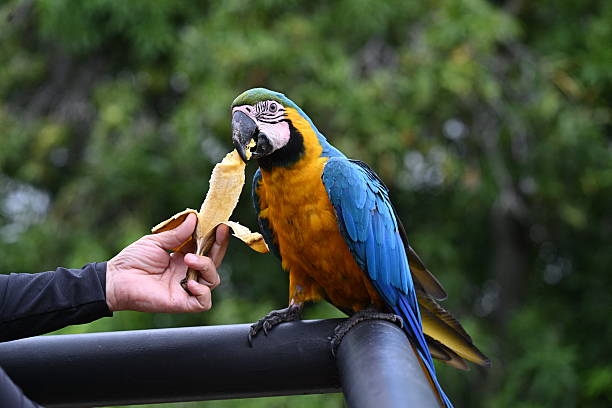
A balanced diet is essential for keeping a Blue and Gold Macaw healthy throughout its long life. In the wild, these parrots eat a wide variety of fruits, seeds, nuts, berries, and plant material. Pet macaws should enjoy a similarly diverse diet.
Recommended Diet
A healthy daily diet should include:
- High-quality pelleted parrot food (about 60–70%)
- Fresh vegetables
- Fresh fruits
- Small portions of healthy nuts
- Limited seeds as occasional treats
- Fresh, clean water available at all times
Best Fruits
Blue and Gold Macaws enjoy many fresh fruits, including:
- Apples (without seeds)
- Bananas
- Mangoes
- Papayas
- Pears
- Grapes
- Blueberries
- Strawberries
- Oranges
- Watermelon
Best Vegetables
Offer a variety of vegetables, such as:
- Carrots
- Sweet potatoes
- Bell peppers
- Broccoli
- Green beans
- Peas
- Cucumbers
- Zucchini
- Kale
- Spinach (in moderation)
Rotating fruits and vegetables helps provide a wide range of vitamins and minerals.
Healthy Treats
Treats should only make up a small part of your bird’s diet. Good options include:
- Walnuts
- Almonds
- Pecans
- Pistachios (unsalted)
- Hazelnuts
Use treats mainly during training sessions or as occasional rewards.
Foods to Avoid
Some foods are dangerous or toxic to parrots and should never be fed to a Blue and Gold Macaw.
Avoid:
- Avocado
- Chocolate
- Caffeine
- Alcohol
- Onion
- Garlic
- Rhubarb
- Fruit seeds and pits
- Salty snacks
- Sugary foods
- Fried or processed foods
Always research unfamiliar foods before offering them to your bird.
Providing proper housing, regular veterinary care, daily interaction, and a nutritious diet will help your Blue and Gold Macaw stay healthy for decades. In the final part, we’ll cover exercise needs, the pros and cons of ownership, where to buy or adopt a Blue and Gold Macaw, and answer some frequently asked questions.
Blue and Gold Macaw Exercise, Pros and Cons, Buying Guide, and FAQs
Exercise Needs of a Blue and Gold Macaw
The Blue and Gold Macaw is an energetic and highly active parrot that needs daily exercise to stay healthy. In the wild, these birds fly long distances, climb trees, and spend hours searching for food. Pet macaws need opportunities to stay just as active.
Experts recommend giving your Blue and Gold Macaw at least 3 to 4 hours of supervised time outside the cage every day. This allows your bird to stretch its wings, climb, play, and interact with family members.
Best Activities for Your Blue and Gold Macaw
Keep your macaw entertained with activities like:
- Climbing ropes and ladders
- Bird-safe swings
- Puzzle toys
- Foraging toys
- Wooden chew blocks
- Training sessions
- Flying in a secure indoor area (if safe)
- Interactive games with family members
Rotating toys every few weeks helps prevent boredom and keeps your bird mentally stimulated.
Why Chewing Is Important
A Blue and Gold Macaw has an incredibly powerful beak. Chewing is a natural behavior that helps maintain beak health and provides mental enrichment.
Offer bird-safe items such as:
- Natural wood branches
- Untreated wooden toys
- Coconut shells
- Palm leaf toys
- Vegetable-tanned leather toys
- Thick ropes made for parrots
Avoid painted wood, treated lumber, or toys with small parts that could be swallowed.
Pros and Cons of Owning a Blue and Gold Macaw
Before bringing home a Blue and Gold Macaw, it’s important to understand both the rewards and challenges of ownership.
Pros
- Stunning blue and golden-yellow feathers
- Highly intelligent and quick to learn
- Can mimic words, phrases, and household sounds
- Forms strong bonds with its family
- Playful, affectionate, and entertaining
- Long lifespan makes it a lifelong companion
- Enjoys learning tricks and interactive games
Cons
- Requires several hours of daily attention
- Loud vocalizations may not suit apartments
- Needs a large cage and spacious living area
- Can become destructive if bored
- Veterinary care and supplies can be expensive
- Lives for decades, requiring a long-term commitment
A Blue and Gold Macaw is best suited for experienced bird owners or dedicated beginners who have the time, space, and resources to meet its needs.
Where to Buy or Adopt a Blue and Gold Macaw
If you’re planning to add a Blue and Gold Macaw to your family, always choose a reputable breeder or consider adoption through a trusted bird rescue.
Buying from a Breeder
A responsible breeder should:
- Raise healthy, well-socialized birds
- Allow you to meet the bird before purchasing
- Provide health records
- Answer questions about care and diet
- Offer guidance after adoption
Avoid purchasing birds from sellers who cannot provide information about the bird’s history or living conditions.
Adopting a Blue and Gold Macaw
Many rescue organizations have adult macaws looking for loving homes. Adoption can be an excellent choice, especially if you’re comfortable caring for an older bird.
What to Look for Before Bringing One Home
Choose a bird that has:
- Bright, clear eyes
- Smooth, clean feathers
- Strong grip and active behavior
- Clean nostrils
- Healthy weight
- Curious and alert personality
A healthy Blue and Gold Macaw should be active, responsive, and interested in its surroundings.
Frequently Asked Questions
Are Blue and Gold Macaws good pets?
Yes. A Blue and Gold Macaw can make an excellent pet for owners who have enough time to provide daily interaction, training, and proper care.
How long does a Blue and Gold Macaw live?
A Blue and Gold Macaw typically lives 30–35 years in the wild and 50–60 years in captivity with proper care. Some well-cared-for birds can even live 70 years or more.
Can Blue and Gold Macaws talk?
Yes. They are skilled mimics and can learn many words, short phrases, whistles, and everyday sounds through consistent training.
Are Blue and Gold Macaws friendly?
Most Blue and Gold Macaws are affectionate, playful, and social when properly raised and regularly handled.
What do Blue and Gold Macaws eat?
Their diet should mainly include high-quality pellets, fresh vegetables, fruits, healthy nuts, and clean water. Treats should be offered in moderation.
Are Blue and Gold Macaws loud?
Yes. Like most macaws, they have powerful voices and may call loudly, especially in the morning or evening. This is a normal part of their behavior.
How much does a blue and gold macaw cost ?
A Blue and Gold Macaw typically costs $2,000 to $5,000 from a reputable breeder in the United States. The price depends on the bird’s age, breeder reputation, training, and whether it is hand-raised. You’ll also need to budget for a large cage, toys, quality food, and regular veterinary care.
Final Thoughts
The Blue and Gold Macaw is one of the most impressive companion parrots you can own. Its brilliant colors, remarkable intelligence, playful personality, and ability to bond closely with people make it a favorite among bird enthusiasts around the world.
However, this beautiful bird is also a major responsibility. It needs a spacious home, a balanced diet, regular exercise, mental stimulation, and plenty of daily attention. Owners who are willing to invest the time and care will be rewarded with a loyal companion that can remain part of the family for many decades.
If you’re looking for an intelligent, affectionate, and unforgettable pet, the Blue and Gold Macaw may be the perfect addition to your home.