Learn the most dangerous dog heatstroke signs from a real-life style experience. Discover symptoms, emergency steps, prevention tips, and how to protect your dog during hot weather.
Last summer, I made a mistake I still think about.
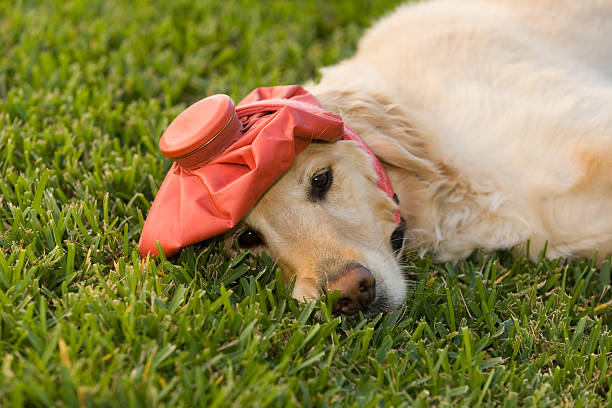
It was one of those extremely hot afternoons where the air feels heavy the moment you step outside. My dog Max, a playful Golden Retriever who normally never turns down a walk, was standing near the door wagging his tail like always. I figured a quick walk around the neighborhood wouldn’t hurt.
I was wrong.
At first, everything seemed normal. Max was excited, sniffing bushes and pulling slightly on the leash. But after about ten minutes, I noticed he was panting much harder than usual. I assumed he was just tired because of the heat.
Then things changed very quickly.
His tongue hung out farther than normal, his breathing became louder, and he suddenly slowed down. A few minutes later, he stopped walking completely and looked disoriented. That was the moment I realized something was seriously wrong.
I later learned these were major dog heatstroke signs, and honestly, I’m lucky I reacted in time.
Most dog owners think heatstroke only happens when dogs are trapped inside hot cars. But the truth is, it can happen during walks, outdoor playtime, hikes, or even while sitting in a backyard without enough shade.
If you own a dog, knowing these warning signs could save their life someday.
Why Dogs Overheat So Fast
Humans cool down mainly by sweating. Dogs don’t.
Dogs rely mostly on panting to release heat, which is much less effective during extreme temperatures or humidity. Once their body temperature rises too high, they can quickly spiral into a dangerous medical emergency.
That’s exactly what happened to Max.
The scary thing about heatstroke is how fast it develops. One moment your dog seems fine, and the next they can barely stand.
After my experience, I started researching everything about dog heatstroke signs because I never wanted to go through that fear again.
1. Heavy Panting That Doesn’t Stop
This was the first sign I noticed in Max, but I didn’t realize how serious it was.
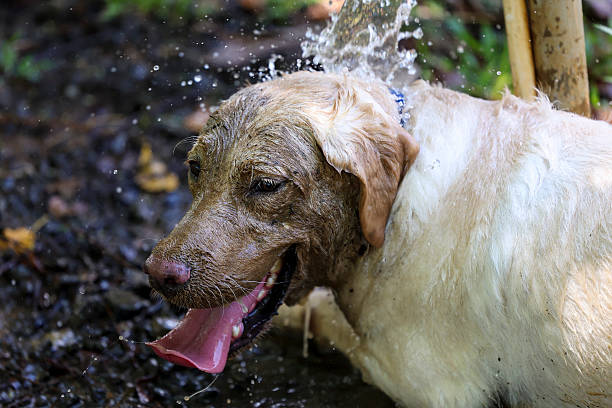
Dogs pant normally after exercise or excitement, but heatstroke panting looks different. It becomes intense, loud, and nonstop.
Max looked like he was struggling to catch his breath. Even after we stopped walking and stood in the shade, the panting didn’t slow down.
That’s when I should have immediately headed home.
What to Watch For
- Very rapid breathing
- Wide-open mouth
- Thick saliva around the tongue
- Panting even while resting
Excessive panting is one of the earliest dog heatstroke signs, and ignoring it can be dangerous.
2. Bright Red Gums and Tongue
When we got home, I gave Max water and noticed something alarming. His gums were much redder than usual.
At the time, I didn’t understand why that mattered.
Later, our veterinarian explained that bright red gums can indicate overheating and poor circulation caused by rising body temperature.
Some dogs may even develop:
- Purple gums
- Pale gums
- Sticky saliva
Healthy gums are normally pink. Any dramatic color change during hot weather should never be ignored.
3. Excessive Drooling
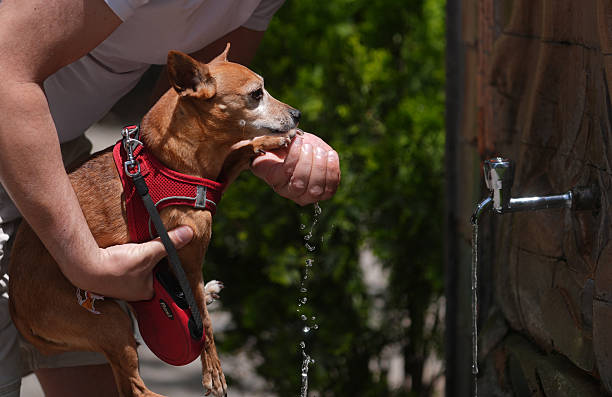
Max started drooling everywhere once we got inside.
Not normal drooling — thick, stringy drool that kept dripping from his mouth onto the floor.
I remember thinking:
“Maybe he’s just thirsty.”
But excessive drooling is actually one of the major dog heatstroke signs many owners overlook.
Dogs often drool heavily when their body is desperately trying to cool down.
If drooling suddenly becomes extreme during hot weather, pay attention.
4. Weakness and Slowing Down
One thing that scared me most was how quickly Max lost energy.
Usually, he’s incredibly active. But suddenly he looked exhausted. He walked slowly into the house and laid down immediately.
A few minutes later, he tried standing up and stumbled slightly.
That was the moment panic hit me.
Heatstroke affects muscles, oxygen flow, and even the brain. Dogs can become weak very quickly once their temperature becomes dangerous.
Common Warning Signs
- Walking slowly
- Trouble standing
- Wobbling
- Refusing to move
- Sudden collapse
Never assume your dog is “just tired” during extreme heat.
5. Vomiting or Diarrhea
About twenty minutes later, Max vomited.
At that point, I stopped guessing and called the vet immediately.
The veterinarian later told me vomiting and diarrhea are serious dog heatstroke signs because overheating stresses the digestive system and internal organs.
In severe cases, dogs may even vomit blood or develop bloody diarrhea.
That’s why heatstroke should never be treated casually.
6. Confusion or Strange Behavior
One of the weirdest things I noticed was that Max seemed confused.
He stared at the wall for a moment and didn’t respond when I called his name right away. That completely terrified me because he’s normally very alert.
Heatstroke can affect the brain surprisingly fast.
Dogs may:
- Act disoriented
- Ignore commands
- Pace anxiously
- Stare blankly
- Seem unusually quiet
Some dogs even develop tremors or seizures in severe cases.
Looking back, this was one of the clearest dog heatstroke signs I should have recognized sooner.
7. Rapid Heartbeat
While sitting next to Max waiting for the vet appointment, I could actually feel how fast his heart was beating.
His breathing was fast, his body felt hot, and his heart was racing.
Heatstroke puts massive stress on the cardiovascular system. The body struggles to cool itself while the heart works overtime trying to keep organs functioning.
This combination can become fatal if treatment is delayed.
Related : Why Do Dogs Love Belly Rubs So Much? What Your Dog Is Really Trying to Tell You
What I Did Wrong
After everything happened, I realized I made several mistakes that many dog owners unknowingly make.
I Walked Him Too Late in the Day
The pavement was much hotter than I realized.
I Assumed Panting Was Normal
I thought heavy panting after walking was harmless.
I Didn’t Bring Enough Water
Now I never leave for walks without water.
I Underestimated Humidity
Humidity makes it harder for dogs to cool themselves.
Sometimes it’s not just the temperature — it’s how trapped the heat feels.
What Helped My Dog Recover
Thankfully, I reacted before things became even worse.
The vet instructed me to:
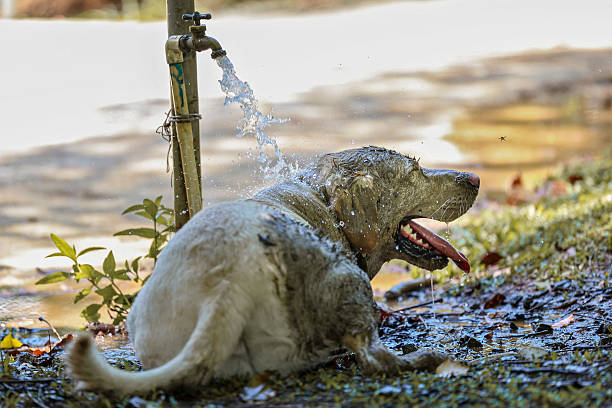
- Move Max into a cool room
- Place cool towels on his belly and paws
- Give small amounts of water
- Keep air flowing with a fan
They also warned me:
Never use ice-cold water.
Sudden extreme cooling can shock a dog’s body.
After treatment and rest, Max recovered fully, but the experience changed how I handle summer forever.
Related : Why Dogs Lick Their Paws: Causes and Effective Solutions
How I Keep My Dog Safe Now
Since that day, I’ve completely changed our summer routine.
Early Morning Walks Only
We walk before sunrise or late in the evening.
Constant Water Access
I carry portable water bottles everywhere.
Shorter Outdoor Sessions
No long playtime during hot afternoons.
Cooling Mats and Shade
Max always has cool resting spots indoors and outdoors.
Paw Checks on Pavement
If the ground feels hot to my hand, we skip the walk.
Simple changes can prevent dangerous dog heatstroke signs before they start.
Dogs Most at Risk
Some dogs struggle with heat much more than others.
High-risk breeds include:
- Bulldogs
- Pugs
- Huskies
- Golden Retrievers
- Boxers
- Pomeranians
Flat-faced breeds are especially vulnerable because breathing itself is harder for them.
Older dogs, puppies, and overweight dogs also overheat faster.
Final Thoughts
I used to think heatstroke was something rare that only happened in extreme situations.
Now I know how quickly it can happen to any dog.
Watching Max struggle to breathe was one of the scariest moments I’ve had as a pet owner, and I never want another dog owner to experience that feeling.
The most important thing I learned is this:
Small symptoms become dangerous very fast.
If you notice these dog heatstroke signs:
- Heavy panting
- Bright red gums
- Excessive drooling
- Weakness
- Vomiting
- Confusion
- Rapid heartbeat
don’t wait and hope it improves on its own.
Act immediately.
Your quick response could save your dog’s life.
FAQs About Dog Heatstroke Signs
Can dogs recover from heatstroke?
Yes, many dogs recover fully if treated early.
What temperature is dangerous for dogs?
Many dogs struggle once temperatures rise above 85°F, especially with humidity.
Can dogs get heatstroke indoors?
Yes, especially in poorly ventilated homes without cooling.
Is excessive panting always dangerous?
Not always, but nonstop heavy panting during hot weather should never be ignored.
Should I pour cold water on an overheated dog?
Use cool water, not ice-cold water, to avoid shocking the body.
How fast can heatstroke happen in dogs?
Sometimes within minutes during extreme heat or exercise.