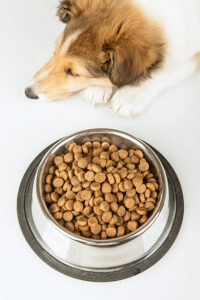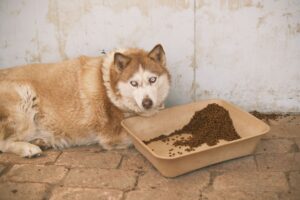
Best Dog Food for Itchy Skin: Quick Answer
If your dog has itchy skin, don’t assume that simply buying a “sensitive skin” or grain-free dog food will fix the problem.
The best dog food depends on what’s causing the itching.
If your veterinarian suspects a food allergy, the most reliable approach is usually a carefully controlled elimination diet using either an appropriate novel-protein diet or a hydrolyzed-protein veterinary diet. The diet must be fed exclusively for the prescribed trial period, and a controlled food challenge is used afterward to confirm whether food was actually responsible.
If the itching is caused by fleas, environmental allergies, parasites, or a skin infection, changing your dog’s food may not solve the problem.
That’s why the first step isn’t necessarily buying a new bag of food.
It’s figuring out why your dog is itchy.

Why Is My Dog So Itchy?
Dogs scratch occasionally.
That’s normal.
The problem is when scratching becomes frequent or intense.
A dog with an underlying skin problem may:
- Scratch repeatedly
- Lick or chew their paws
- Rub their face
- Shake their head
- Develop red skin
- Lose hair
- Develop sores
- Get recurring ear infections
- Have a noticeable skin odor
- Chew or lick their belly
Several conditions can cause these symptoms.
Common possibilities include:
- Flea allergy
- Environmental allergies
- Food allergy
- Bacterial skin infection
- Yeast infection
- Parasites
- Other dermatological conditions
Merck Veterinary Manual notes that allergic itching in dogs can be associated with insect bites, food allergies, and environmental allergens such as pollens, molds, and dust. Bacterial and fungal infections can also cause significant itching.
So before changing your dog’s diet five times, consider getting the underlying problem checked.
Can Dog Food Really Cause Itchy Skin?
Yes.
A true food allergy can cause skin problems in dogs.
Food allergies occur when the immune system reacts abnormally to a food component, commonly a protein.
Possible symptoms include:
- Itchy skin
- Itchy paws
- Itchy ears
- Red or inflamed skin
- Recurrent ear infections
- Recurrent skin infections
- Hair loss caused by scratching or licking
- Vomiting
- Diarrhea
Food allergies can occur at different ages, and a dog can develop an allergy to an ingredient they’ve eaten previously.
However, food allergies aren’t the most common explanation for every itchy dog.
That’s an important distinction.
Also Read : How to Train a Dog Not to Pull on the Leash: 9 Easy Steps
What Is the Best Dog Food for Dogs With Food Allergies?
There isn’t one universal brand or flavor that’s best for every dog with itchy skin.
Instead, veterinarians commonly use two types of diets when investigating suspected food allergies:
1. Novel-Protein Diets
A novel protein is a protein your dog hasn’t previously eaten.
Depending on your dog’s dietary history, a veterinarian might choose a protein such as rabbit, venison, or duck.
But here’s the important part:
A protein is only “novel” if your dog hasn’t already been exposed to it.
If your dog has eaten duck treats for years, duck probably isn’t novel for that particular dog.
That’s why your dog’s complete food history matters.
2. Hydrolyzed-Protein Diets
Hydrolyzed diets are specially formulated with proteins that have been broken into smaller pieces.
This can make the protein less likely to trigger an allergic response.
Veterinary hydrolyzed diets are commonly used during food trials, particularly when a dog’s previous diet history is unclear.
These diets can cost more than ordinary dog food, but they’re designed for a specific medical purpose.
What Are the Most Common Food Allergens in Dogs?
Dogs can potentially react to many different ingredients.
Commonly reported food allergens include:
- Beef
- Dairy
- Chicken
- Wheat
- Lamb
- Soy
- Egg
However, this doesn’t mean your dog should automatically avoid all of them.
In fact, randomly eliminating ingredients can make it harder to determine what your dog is actually reacting to.
Veterinary guidance emphasizes that food allergies are best investigated through a controlled dietary elimination trial rather than guessing based on an ingredient list.
Is Grain-Free Dog Food Better for Itchy Skin?
Not necessarily.
This is one of the most common mistakes dog owners make.
A grain-free food isn’t automatically a better choice for an itchy dog.
If your dog has a food allergy, the important question is:
Which ingredient is causing the reaction?
Not simply:
Does the food contain grains?
Some dogs can react to particular ingredients, but removing grains without a reason doesn’t automatically treat itchy skin.
If you suspect food allergies, talk with your veterinarian before making major dietary changes.
What About “Limited Ingredient” Dog Food?
Limited-ingredient foods can sound like the obvious answer.
Fewer ingredients should mean fewer potential allergens, right?
Not always.
For an everyday diet, a limited-ingredient formula may be useful for some dogs.
But a diagnostic elimination trial is different.
Veterinary therapeutic diets are manufactured under protocols designed to reduce the risk of unwanted ingredient contamination. Some over-the-counter limited-ingredient foods may contain trace amounts of other proteins because of manufacturing practices.
That matters when you’re trying to determine whether a specific ingredient is causing an allergic reaction.
So if your veterinarian recommends a formal elimination trial, don’t automatically substitute an over-the-counter food with similar ingredients.
How Does an Elimination Diet Work?
An elimination diet is the most important part of diagnosing a suspected food allergy.
Here’s the basic process.
Step 1: Review Your Dog’s Food History
Write down everything your dog has eaten.
That includes:
- Previous dog foods
- Treats
- Table scraps
- Chews
- Supplements
- Flavored medications
- Dental products
Your veterinarian can use this information to select an appropriate diet.
Step 2: Choose the Trial Diet
Your veterinarian may recommend either a novel-protein or hydrolyzed-protein diet.
The choice depends partly on your dog’s previous food exposure.
Step 3: Feed Only That Diet
This is where many food trials fail.
During the trial, your dog shouldn’t receive random treats or table food.
Even flavored medications, supplements, and chews can potentially interfere with the trial.
Step 4: Continue for the Recommended Period
Skin allergies can take time to improve.
Veterinary sources commonly recommend an elimination trial lasting approximately 8–12 weeks, with some evidence suggesting that at least 10 weeks may be necessary to identify most food-allergic dogs with skin symptoms.
Don’t judge the diet after just five days.
Step 5: Track Your Dog’s Symptoms
Keep a simple daily record.
You can rate:
Itching: 1–10
Paw licking: None / Mild / Moderate / Severe
Ear problems: Yes / No
Skin redness: Better / Same / Worse
Also record any accidental exposure to other foods.
This gives you and your veterinarian something more useful than trying to remember how your dog felt several weeks ago.
Why Treats Can Ruin an Elimination Diet
Imagine your dog is eating a veterinary hydrolyzed diet.
But every afternoon, you give them a chicken treat.
On weekends, they get table scraps.
And their medication comes in a flavored chew.
Now you don’t have a clean food trial.
You don’t know whether your dog is reacting to the trial diet or something else.
During a strict elimination diet, everything your dog eats matters.
Merck specifically notes that food-based items such as treats, rawhide chews, table food, flavored supplements, pill pockets, and some flavored medications can interfere with the trial.
How Do You Know If the Diet Is Working?
You may notice gradual changes such as:
- Less scratching
- Less paw licking
- Fewer ear problems
- Reduced redness
- Less chewing
- Improved skin condition
Don’t expect every symptom to disappear overnight.
Skin can take time to recover, particularly if your dog has developed a secondary infection from constant scratching or licking.
If your dog improves during the elimination diet, that is encouraging—but it doesn’t automatically prove a food allergy.
The next step is usually a controlled dietary challenge.
Why the Food Challenge Matters
This is an important step that many online articles leave out.
Suppose your dog becomes less itchy after eight or ten weeks on a new diet.
Did the food actually fix the allergy?
Maybe.
But your dog could also have improved because:
- Flea control was improved
- A skin infection was treated
- Seasonal allergies changed
- Another treatment was started
- The original trigger disappeared
To confirm a food allergy, veterinarians can reintroduce the previous diet under controlled conditions and watch for the return of symptoms.
If the itching returns and then improves again when the elimination diet is restarted, the evidence for a food allergy becomes much stronger.
Should You Add Fish Oil for Itchy Skin?
Omega-3 fatty acids are often discussed for canine skin health.
They can be part of a veterinarian-recommended approach for some dogs, but fish oil isn’t a substitute for identifying a food allergen.
If your dog is allergic to chicken, for example, adding an omega-3 supplement doesn’t remove chicken from the diet.
And supplements aren’t risk-free.
Before adding fish oil or another supplement, ask your veterinarian about whether it’s appropriate and what dose is suitable for your dog.
What If My Dog Is Still Itchy After Changing Food?
Don’t immediately buy another brand.
If your dog remains itchy after an appropriate diet trial, there are several possibilities.
The original problem may not have been food.
Your dog could have:
- Flea allergy
- Environmental allergies
- Yeast overgrowth
- Bacterial infection
- Parasites
- More than one allergy
- Another skin condition
Dogs can have multiple causes of itching at the same time.
That’s why persistent itching deserves a proper evaluation rather than endless food changes.
When Should You Take Your Dog to the Vet?
Make an appointment if your dog’s itching is persistent, severe, or getting worse.
You should especially seek veterinary advice if you notice:
- Open wounds
- Bleeding
- Significant hair loss
- Strong skin odor
- Oozing or crusting
- Repeated ear infections
- Severe paw chewing
- Facial swelling
- Hives
- Vomiting or diarrhea alongside skin symptoms
A dog that is constantly scratching can damage its own skin, which may lead to secondary infections and make the original problem harder to manage.
Best Dog Food for Itchy Skin: A Simple Decision Guide
Here’s a practical way to think about it.
Your dog scratches occasionally
Don’t automatically change food.
Monitor the behavior and check for obvious issues such as fleas.
Your dog scratches frequently
Schedule a veterinary evaluation, particularly if the itching is persistent.
Your vet suspects a food allergy
Ask about a properly conducted elimination diet.
Your dog’s food history is known
A suitable novel-protein diet may be considered.
Your dog’s food history is unclear
A hydrolyzed veterinary diet may be a practical option to discuss with your veterinarian.
Your dog improves during the trial
Discuss a controlled food challenge with your veterinarian.
Your dog doesn’t improve
Investigate other causes rather than endlessly changing foods.
7 Things to Avoid When Your Dog Has Itchy Skin
1. Constantly Switching Foods
Changing foods every few days makes it difficult to know what is helping.
2. Assuming Grain-Free Is Better
Grain-free doesn’t automatically mean allergy-friendly.
3. Giving Unapproved Treats
Even a small extra food item can interfere with a strict elimination trial.
4. Ignoring Flea Prevention
Flea allergy can cause intense itching.
5. Assuming Every Itchy Dog Has a Food Allergy
Food is only one possible cause.
6. Relying on Internet Allergy Tests
Blood and saliva tests marketed for diagnosing canine food allergies aren’t considered reliable diagnostic substitutes for a properly conducted diet trial.
7. Waiting Too Long With Severe Symptoms
Constant scratching can damage the skin and contribute to secondary infections.
Frequently Asked Questions
What is the best dog food for itchy skin?
There isn’t one food that’s best for every itchy dog. If a food allergy is suspected, veterinarians commonly use an appropriate novel-protein or hydrolyzed-protein diet as part of a controlled elimination trial.
What is the best dog food for dogs with allergies?
For suspected food allergies, a veterinary therapeutic novel-protein or hydrolyzed-protein diet may be appropriate. The correct choice depends on your dog’s previous diet and individual situation.
Can changing dog food stop itching?
It can if the itching is caused by a food allergy and the diet successfully removes the offending ingredient. It won’t necessarily help if the itching comes from fleas, environmental allergies, infections, parasites, or another condition.
Is chicken bad for itchy dogs?
Chicken isn’t automatically bad for dogs with itchy skin. However, chicken is among the commonly reported food allergens in dogs, so a veterinarian may consider it when investigating a suspected food allergy.
Is grain-free food good for dogs with itchy skin?
Not necessarily. Grain-free food isn’t a general treatment for itchy skin. The focus should be on identifying the underlying cause.
How long should a dog stay on an elimination diet?
Veterinary elimination trials commonly last around 8–12 weeks, depending on the case and protocol. Don’t stop early simply because your dog hasn’t improved after a few days.
Can I give treats during an elimination diet?
Only if they’re approved as compatible with the trial by your veterinarian. Unapproved treats, chews, table food, supplements, and flavored medications can interfere with the results.
Why does my dog still itch after switching to hypoallergenic food?
The itching may have another cause, such as environmental allergies, fleas, yeast, bacteria, parasites, or another skin condition. Your dog can also have multiple allergy triggers at once.
Final Verdict
The best dog food for itchy skin isn’t necessarily a particular brand, flavor, or expensive “skin and coat” formula.
The best choice depends on what is causing your dog’s itching.
If food allergy is suspected, a properly managed elimination diet using a suitable novel-protein or hydrolyzed-protein diet is far more useful than randomly trying different foods. Veterinary guidance recommends feeding the trial diet exclusively for the appropriate period and then using a controlled challenge to confirm the diagnosis.
And if changing food doesn’t help, don’t keep switching bags indefinitely.
Your dog’s itching could be caused by fleas, environmental allergens, infections, parasites, or another condition that requires a different treatment.
The simplest approach is:
Find the cause → choose the right diet → follow it consistently → monitor symptoms → confirm the result.
That approach gives your dog a much better chance of getting comfortable again than simply buying the next “sensitive skin” formula you see.
Important: This article provides general educational information and isn’t a substitute for veterinary diagnosis or treatment. If your dog has severe, persistent, or worsening itching, consult a veterinarian.
Written by: Anuj Pal — Pet Content Writer
Medically reviewed by: [Qualified veterinarian name/credentials]
Last updated: August 2026