Introduction
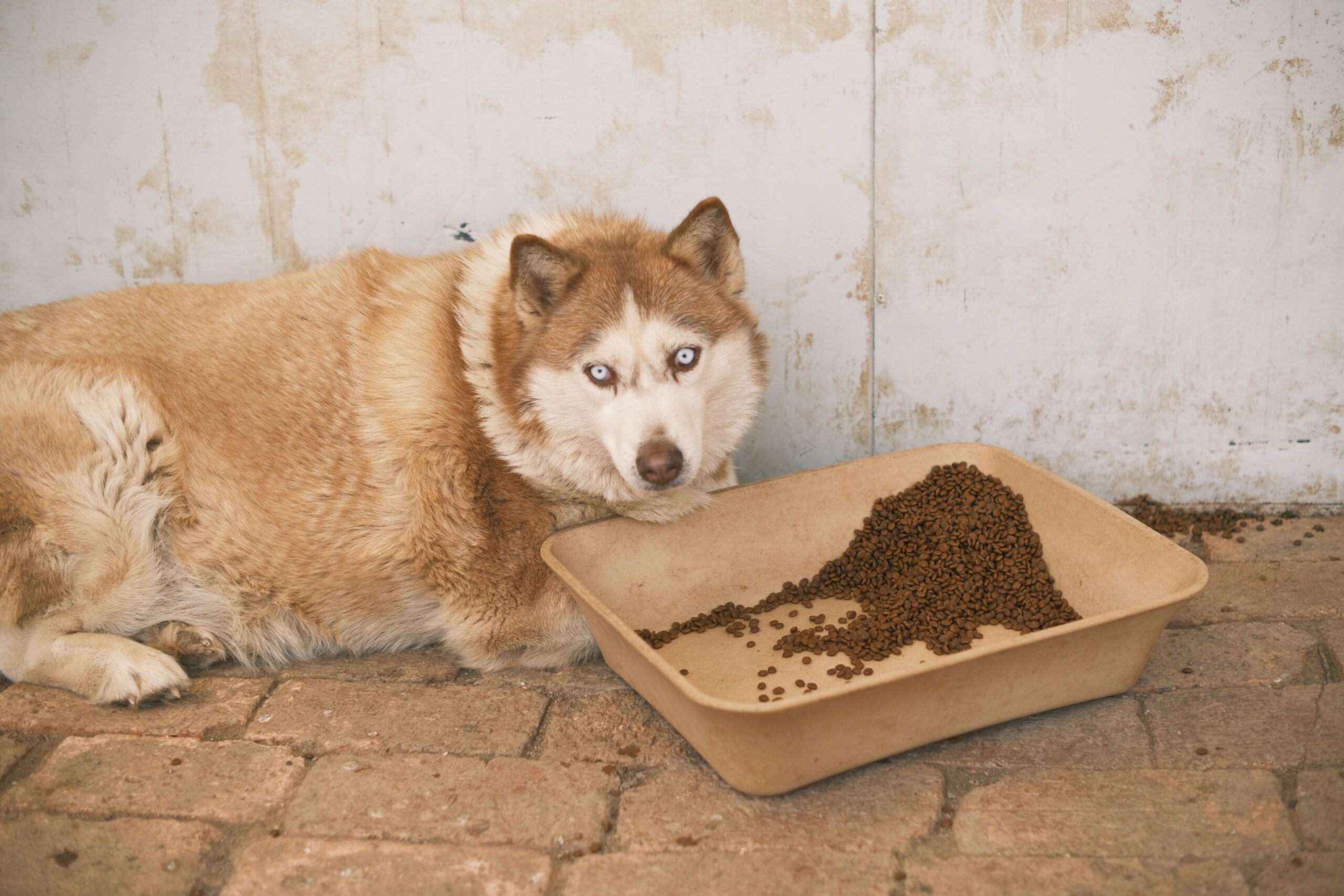
If your dog has gained extra weight, you’re not alone. Canine obesity has become one of the most common health problems among pet dogs worldwide. While those extra pounds may seem harmless, they can increase the risk of arthritis, diabetes, heart disease, breathing problems, and a shorter lifespan.
The good news is that choosing the best dog food for overweight dogs, combined with proper portion control and regular exercise, can help your furry friend lose weight safely without feeling hungry all the time.
In this guide, you’ll learn exactly what to look for in a weight management dog food, the best ingredients, foods to avoid, feeding tips, and veterinarian-backed recommendations.
Why Is Your Dog Overweight?
Many owners believe their dog is overweight because they eat too much. While overeating is a major factor, there are several other reasons dogs gain excess weight:
- Overfeeding
- Too many treats
- Lack of exercise
- Aging
- Neutering or spaying
- Certain medications
- Hormonal disorders such as hypothyroidism
- Feeding high-calorie human foods
If your dog gains weight despite eating normal portions, consult your veterinarian before changing their diet.
Why Choosing the Right Food Matters
Simply feeding less of your dog’s current food isn’t always the best solution.
Weight-management dog foods are specially formulated to:
- Reduce calorie intake
- Preserve lean muscle mass
- Keep dogs feeling full longer
- Support healthy digestion
- Promote gradual, safe weight loss
Veterinary experts recommend choosing foods with lower calories, higher protein, and more fiber instead of drastically reducing portion sizes.
What Makes the Best Dog Food for Overweight Dogs?
Not all “light” dog foods are created equal.
Here are the most important features.
1. High Protein
Protein helps your dog:
- Maintain muscle during weight loss
- Feel full longer
- Stay energetic
Look for real meat as the first ingredient, such as:
- Chicken
- Turkey
- Salmon
- Lamb
2. Lower Calories
Weight-loss foods contain fewer calories per cup than regular dog food.
This allows your dog to eat satisfying meals while reducing overall calorie intake.
3. Higher Fiber
Fiber slows digestion and helps dogs feel fuller for longer.
Common fiber ingredients include:
- Beet pulp
- Pumpkin
- Sweet potatoes
- Brown rice
- Peas
4. Healthy Fat Levels
Dogs still need healthy fats.
Choose foods containing moderate amounts of:
- Fish oil
- Chicken fat
- Flaxseed
Avoid foods with excessive fat content.
5. L-Carnitine
Many premium weight management foods contain L-carnitine.
This nutrient helps convert fat into energy and supports healthy metabolism.
Also Read : Best Dog Food for Itchy Skin: 7 Things to Know Before Changing Your Dog’s Diet
Ingredients to Look For
The best dog food for overweight dogs usually contains:
- Real meat
- Whole grains
- Vegetables
- Omega-3 fatty acids
- Natural fiber
- Vitamins and minerals
- Probiotics
Ingredients to Avoid
Avoid foods that contain excessive amounts of:
- Artificial colors
- Artificial preservatives
- Excessive fillers
- High sugar ingredients
- Large amounts of animal by-products
- Unnecessary table scraps
Best Types of Dog Food for Weight Loss
Dry Weight Management Food
Advantages:
- Affordable
- Easy to measure
- Long shelf life
- Good for dental health
Best for most overweight dogs.
Wet Dog Food
Advantages:
- Higher moisture
- Lower calorie density
- Helps dogs feel fuller
Ideal for picky eaters.
Fresh Dog Food
Fresh foods often contain:
- Lean proteins
- Fresh vegetables
- Fewer processed ingredients
They may support healthy weight loss when portioned correctly.
Prescription Weight Loss Diets
Veterinarians sometimes recommend prescription diets for:
- Severely obese dogs
- Dogs with diabetes
- Dogs with arthritis
- Dogs with multiple health conditions
These diets should only be used under veterinary supervision.
Signs Your Dog Needs Weight Management Food
Your dog may benefit from a weight-loss diet if:
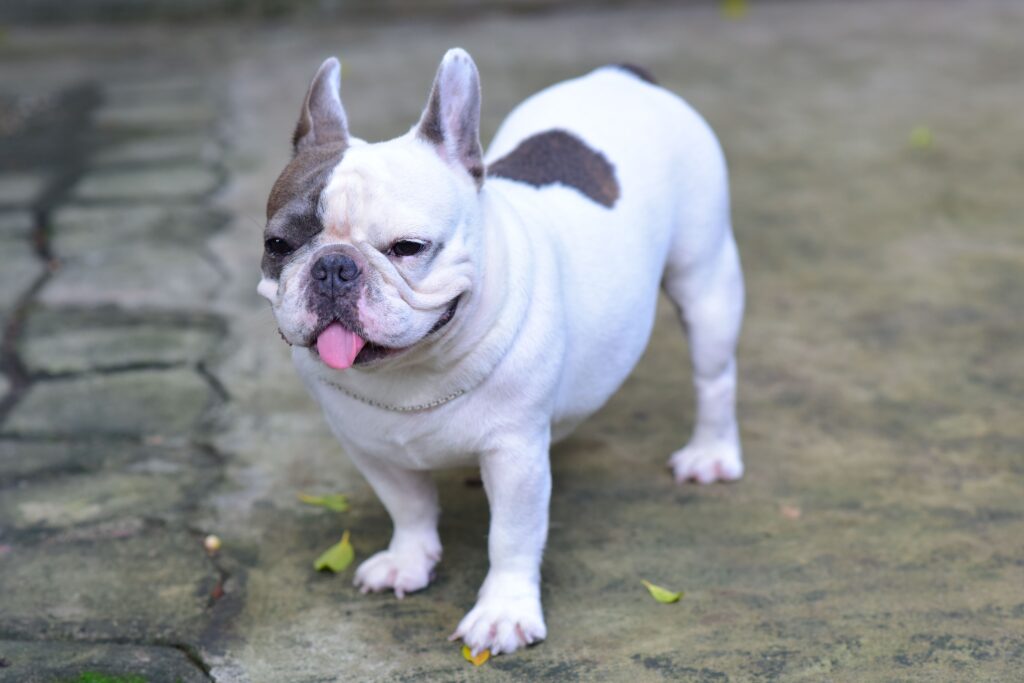
- You cannot easily feel their ribs.
- They have no visible waist.
- They tire quickly during walks.
- They breathe heavily after mild exercise.
- They struggle to jump or climb stairs.
- Your veterinarian says they are overweight.
Popular Weight Management Dog Foods
Veterinarians commonly recommend several well-researched weight management formulas, including:
- Hill’s Science Diet Perfect Weight
- Purina Pro Plan Weight Management
- Royal Canin Satiety Support (Prescription)
- Hill’s Prescription Diet Metabolic
- Purina Pro Plan Veterinary Diet OM
The right choice depends on your dog’s age, size, activity level, and medical history, so ask your veterinarian before switching foods.
How Much Should You Feed an Overweight Dog?
One of the biggest mistakes owners make is following the feeding guide on the bag without considering their dog’s ideal weight.
Instead:
- Determine your dog’s ideal weight.
- Calculate daily calorie needs with your veterinarian.
- Divide meals into two or three portions.
- Measure every serving using a measuring cup or kitchen scale.
Regular weight checks help ensure safe progress. Veterinary guidance generally targets slow, steady weight loss rather than rapid changes.
Healthy Treat Alternatives
Treats should make up no more than about 10% of your dog’s daily calories.
Healthier options include:
- Baby carrots
- Green beans
- Cucumber
- Apple slices (without seeds)
- Blueberries
- Pumpkin
Avoid:
- Chocolate
- Grapes
- Raisins
- Onions
- Garlic
- Sugary snacks
Exercise Tips for Overweight Dogs
Food alone won’t solve obesity.
Daily exercise helps burn calories and preserve muscle.
Good activities include:
- Walking
- Swimming
- Fetch
- Slow hiking
- Interactive toys
- Short play sessions
Increase activity gradually if your dog is very overweight.
Common Mistakes Owners Make
Avoid these common errors:
- Free-feeding all day
- Giving too many treats
- Feeding table scraps
- Changing foods too quickly
- Skipping exercise
- Not measuring portions
- Expecting rapid weight loss
Consistency is far more important than drastic changes.
Frequently Asked Questions
Can overweight dogs eat regular dog food?
Sometimes, but weight-management formulas are usually better because they provide fewer calories while helping dogs stay full and maintain muscle.
How fast should a dog lose weight?
Most veterinarians recommend slow, steady weight loss to reduce health risks and improve long-term success.
Are grain-free diets better?
Not necessarily. Grain-free diets are not recommended for most dogs unless advised by a veterinarian for a specific medical reason.
Can exercise alone help?
Exercise is important, but diet is usually the biggest factor in successful weight loss.
Final Thoughts
Finding the best dog food for overweight dogs is about more than buying a bag labeled “light.” A quality weight-management diet should provide high-quality protein, controlled calories, healthy fiber, and balanced nutrition while keeping your dog satisfied.
Pair the right food with accurate portion control, healthy treats, regular exercise, and routine veterinary checkups. With patience and consistency, most overweight dogs can return to a healthier weight, enjoy better mobility, and live a happier, more active life.