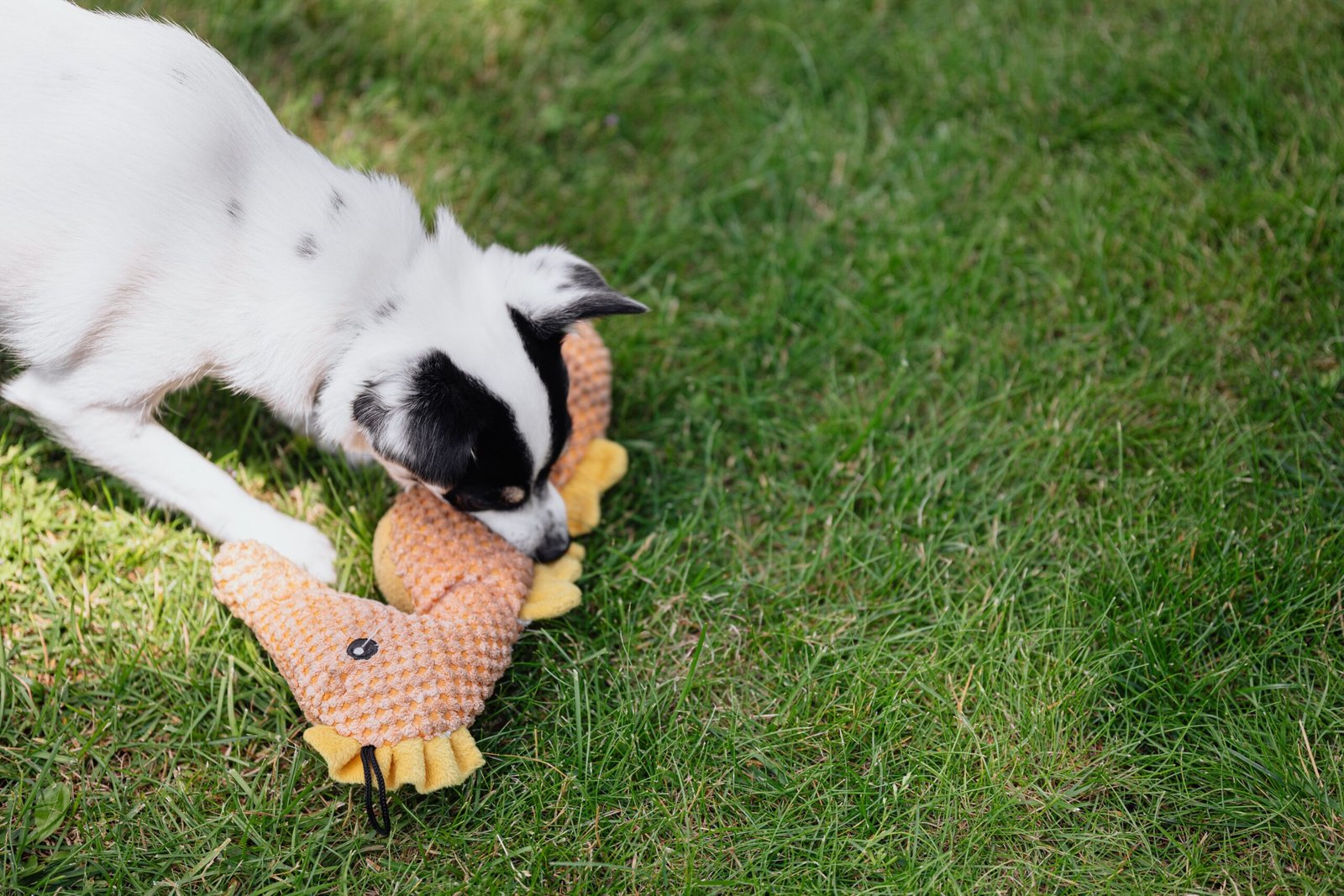
Is your puppy constantly biting your hands, nipping your ankles, or chewing on your clothes? Puppy biting can be frustrating, especially when those tiny teeth seem to find your fingers every time you try to play.
The good news is that puppy biting is a common part of development. Puppies explore the world with their mouths, learn through play, and may nip more when they are excited, teething, or overtired. With consistent training, you can teach your puppy to interact with people more gently.
In this guide, you will learn how to stop a puppy from biting, why puppies nip in the first place, and seven practical training techniques you can use at home.
Quick Answer: How Do You Stop a Puppy From Biting?
The best way to manage puppy biting is to redirect your puppy toward an appropriate chew toy, reward calm behavior, and briefly pause play when teeth touch your skin. Keep training sessions short and consistent, and make sure your puppy gets enough rest.
Avoid hitting, shouting at, or physically intimidating your puppy. These reactions can increase fear or excitement rather than teach the behavior you want.
Remember that the goal is not simply to stop your puppy from using its mouth. It is to teach your puppy what is appropriate to bite and how to interact safely with people.
Why Do Puppies Bite So Much?
Before you begin training, it helps to understand why your puppy is biting.
1. Teething
Puppies begin losing their baby teeth and developing adult teeth during their early months. Chewing may help them explore different textures and relieve discomfort associated with teething.
Offer suitable puppy-safe chew toys rather than allowing your puppy to chew on fingers, shoes, or furniture.
2. Play and exploration
Puppies often use their mouths when interacting with littermates and people. A puppy may nip your hand because it wants to play, not because it is trying to hurt you.
Teaching appropriate play habits early can help your puppy learn that human skin is not a chew toy.
3. Overexcitement
Some puppies become mouthier when games get too energetic. Running, waving your hands, or squealing may make your puppy even more excited.
When biting increases during play, reduce the excitement and give your puppy an opportunity to calm down.
4. Tiredness
An overtired puppy may struggle to control its impulses. If your puppy starts biting more intensely after a long play session, it may need a quiet break and a nap.
5. Attention-seeking
If biting consistently leads to chasing, talking, or dramatic reactions, your puppy may learn that nipping is an effective way to get attention.
Try to respond calmly and reward the behaviors you want to see more often.
7 Positive Training Tips to Stop Puppy Biting
1. Redirect Biting to a Chew Toy
Redirection is one of the simplest ways to teach your puppy what is appropriate to chew.
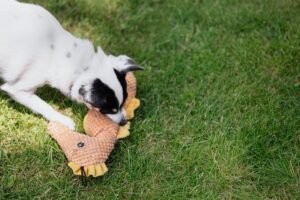
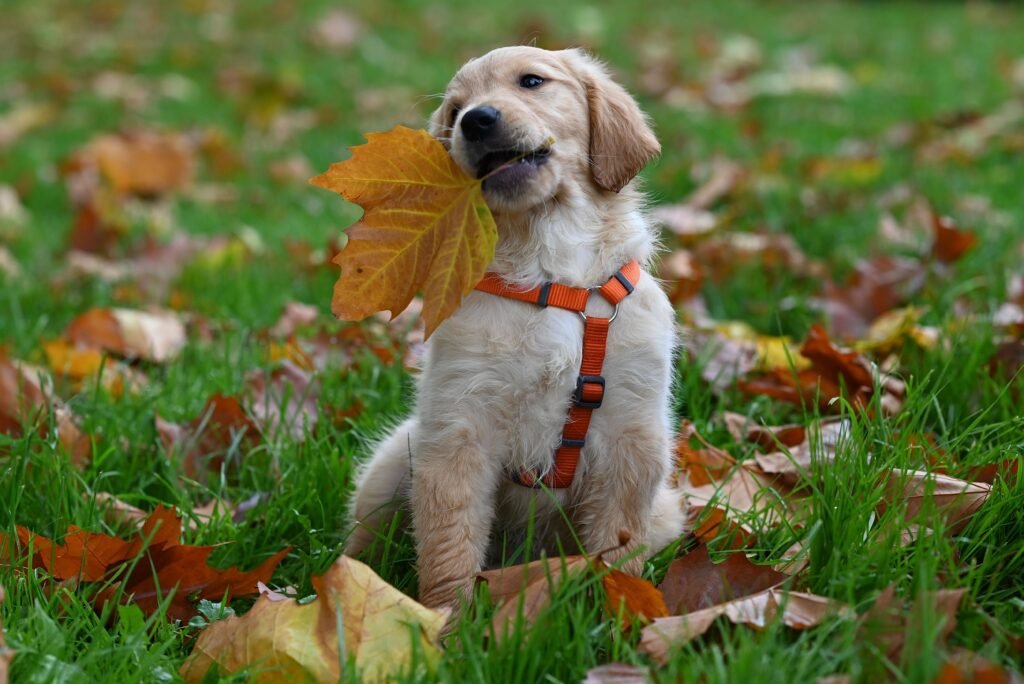
Keep a few suitable toys within easy reach during playtime. When your puppy starts biting your fingers, calmly move your hands away and offer a toy instead.
Follow these steps:
- Keep your hands as still and calm as possible.
- Offer a puppy-safe chew toy.
- Encourage your puppy to bite the toy instead.
- Praise your puppy when it chooses the toy.
- Repeat consistently whenever the behavior occurs.
Choose toys designed for your puppy’s size and chewing strength. Inspect them regularly and remove damaged toys that could become choking hazards.
Helpful tip: Try different toy textures to discover which ones your puppy enjoys most. Supervise your puppy with new toys, especially if it tends to swallow pieces.
2. Stop Playing When Teeth Touch Your Skin
Puppies need to learn that biting people makes interactive play stop.
If your puppy nips your hand during a game, calmly pause the interaction. Move your hands out of reach and turn away briefly if necessary.
When your puppy settles, offer an appropriate toy or resume play if it can engage gently.
For example:
- Your puppy bites your hand.
- You calmly stop moving and pause the game.
- You give your puppy a short opportunity to settle.
- You restart play with a toy when your puppy is calmer.
Keep these pauses brief and consistent. If your puppy becomes more excited when you turn away, calmly step behind a barrier for a short moment rather than pushing or wrestling with the puppy.
Avoid making the pause frightening or using it as prolonged isolation. The aim is to show your puppy that gentle play continues, while biting makes play temporarily stop.
3. Teach Your Puppy to Take Treats Gently
Training your puppy to take food gently can help develop better impulse control.
Start in a quiet area with small, puppy-safe treats.
- Hold a treat in a closed hand.
- Allow your puppy to investigate without pulling your hand away dramatically.
- Wait for your puppy to stop mouthing your hand.
- Open your hand and offer the treat when your puppy is calm.
- Repeat for a few short repetitions.
You can gradually introduce a cue such as “Gentle” if it helps your puppy understand what behavior earns the reward.
Never tease your puppy with food or deliberately encourage biting your fingers. If the exercise causes frustration, simplify it or ask a qualified reward-based trainer to demonstrate a safer approach.
4. Provide Appropriate Teething Toys
If your puppy is chewing constantly, it may need more suitable opportunities to chew.
Offer a selection of puppy-safe toys that match its age, size, and chewing style. Some puppies prefer soft rubber toys, while others enjoy different textures.
Keep in mind:
- Avoid toys that are small enough to swallow.
- Remove toys that split, break, or develop loose pieces.
- Avoid excessively hard objects that may damage teeth.
- Use frozen or chilled teething products only when they are specifically designed to be used that way and are safe for your puppy.
- Supervise chewing, especially when introducing a new product.
If your puppy seems to be in significant pain, refuses food, or has unusual mouth swelling or bleeding, contact your veterinarian rather than assuming the problem is ordinary teething.
5. Make Sure Your Puppy Gets Enough Rest
A puppy that is tired may become increasingly excitable and bite more often.
Young puppies need substantial sleep throughout the day, although the exact amount varies by age and individual. If your puppy becomes restless, starts grabbing clothing, or cannot settle after playing, consider whether it needs a quiet rest period.
Create a calm resting area with comfortable bedding and limited distractions. A properly introduced crate or puppy-safe playpen can be useful when your puppy is comfortable there.
Do not force a frightened puppy into a crate or use confinement as punishment.
Balance activity with rest. Short training sessions, sniffing games, gentle play, and quiet time are usually more useful than trying to exhaust your puppy with nonstop activity.
6. Reward Calm Behavior Around People
Training is not only about responding to biting. It is also about rewarding the behavior you want your puppy to repeat.
Look for moments when your puppy:
- Sits calmly near you.
- Approaches without jumping or nipping.
- Plays with a toy instead of your hands.
- Settles on a mat.
- Greets you with four paws on the floor.
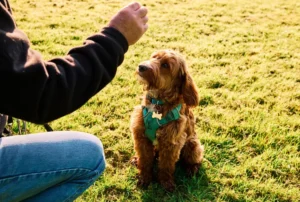
Reward these behaviors with praise, a suitable treat, or gentle attention if your puppy enjoys it.
For example, if your puppy approaches you calmly while you are sitting on the couch, reward that calm approach before biting begins.
Over time, your puppy can learn that calm interactions are an effective way to receive attention.
7. Keep Training Consistent With Everyone in the Household
Puppies learn through repetition. If one family member allows hand-biting during play while another discourages it, the puppy may struggle to understand the rules.
Agree on a few simple household guidelines:
- Hands are not chew toys.
- Use appropriate toys for interactive play.
- Pause play when biting becomes too intense.
- Reward gentle behavior.
- Avoid rough games that encourage grabbing hands or clothing.
- Supervise young children around the puppy.
Children should never be expected to manage a biting puppy on their own. An adult should supervise interactions and use barriers or separate spaces when necessary.
Consistency does not mean every person must use exactly the same words. It means everyone responds to the behavior in a predictable, safe way.
What Should You Do When Your Puppy Bites Your Ankles?
Some puppies chase moving feet, grab trouser legs, or nip ankles as people walk around the house.
This behavior can become particularly frustrating in busy households.
Try the following approach:
- Stop moving briefly instead of running away.
- Keep your hands and voice calm.
- Redirect your puppy toward a suitable toy.
- Reward your puppy for engaging with the toy or walking calmly beside you.
- If the puppy continues biting, pause the interaction and allow it to settle.
Avoid kicking your feet, pushing the puppy away with your hands, or turning the moment into a chasing game.
If ankle biting happens at predictable times, such as when you return home or before dinner, prepare a toy or short training activity in advance.
How to Stop a Puppy From Biting Clothes
Puppies may grab sleeves, shoelaces, trouser legs, and other clothing because moving fabric resembles an exciting toy.
If your puppy grabs your clothes, avoid pulling the fabric back and forth. That movement can make the game more rewarding.
Instead, keep your body still, calmly disengage when safe, and redirect your puppy to a toy. Reward the puppy when it releases the fabric and chooses the appropriate object.
Use baby gates or a puppy-safe play area when you need to move around without constant supervision.
If your puppy repeatedly grabs clothing during greetings, teach a simple alternative behavior such as sitting for attention. Reward the puppy for keeping its mouth away from your clothes.
What Not to Do When Training a Biting Puppy
Some common reactions can make biting worse or create unnecessary fear.
Do not hit or physically punish your puppy
Physical punishment can damage trust and may cause defensive behavior. Use reward-based methods and manage the environment instead.
Do not shout or deliberately frighten your puppy
Loud reactions can increase excitement or anxiety. A calm, predictable response is generally more useful.
Do not encourage hand-wrestling
Rough play with hands can make it harder for your puppy to distinguish acceptable play from unwanted biting.
Do not expect your puppy to learn in one session
Puppies need repetition and maturity. Progress may include occasional setbacks, especially during teething or periods of excitement.
Do not ignore every type of biting
Ordinary puppy mouthing is different from a sudden, intense, or defensive bite. Pay attention to the context, body language, and severity of the behavior.
When Does Puppy Biting Usually Stop?
Puppy mouthing often improves as puppies mature, develop better impulse control, and learn appropriate play behavior. Teething-related chewing also changes as adult teeth come in, usually during the first several months of life.
However, there is no exact age when every puppy stops biting. Training, genetics, temperament, social experiences, and the household environment all influence progress.
Continue reinforcing gentle behavior even after the most intense teething stage has passed.
If biting remains severe, repeatedly breaks skin, or appears connected to fear, guarding, or handling sensitivity, seek help from a veterinarian or a qualified reward-based behavior professional.
Frequently Asked Questions
1. Why does my puppy bite me but not other people?
Your puppy may behave differently with different people because of differences in movement, play style, familiarity, or reactions to biting. Observe what happens immediately before each incident and use the same calm training approach consistently.
2. Should I say “No” when my puppy bites?
You can use a calm verbal cue if your puppy understands it, but the word alone may not teach the desired behavior. Pair it with redirecting to a toy, briefly pausing play, and rewarding gentle interactions.
3. Does puppy biting mean my dog is aggressive?
Not necessarily. Mouthing and nipping are common in puppies, especially during play and teething. However, stiff body language, repeated intense bites, guarding, or fear-related reactions deserve careful assessment by a veterinarian or qualified behavior professional.
4. How long does it take to stop puppy biting?
There is no guaranteed timeline. Some puppies improve with consistent practice over several weeks, while others need longer. Focus on gradual improvement rather than expecting biting to stop overnight.
5. Should I let my puppy bite my hands gently?
It is usually clearer to teach your puppy to direct biting toward toys rather than human skin. Consistent boundaries make it easier for the puppy to learn which interactions are appropriate.
6. Why does my puppy bite more in the evening?
Some puppies become more excitable or mouthy when they are tired, overstimulated, or have unmet activity needs. Try shorter play sessions, calm enrichment, and an appropriate rest routine.
7. What should I do if my puppy bites hard enough to break skin?
Separate yourself from the puppy safely without hitting or grabbing its muzzle. Clean the wound promptly and seek medical advice when appropriate, particularly for deep punctures, bites to the face or hands, or signs of infection. Consult a veterinarian or qualified behavior professional to assess the puppy’s behavior.
Final Verdict
Puppy biting can be challenging, but it is also an opportunity to teach your dog safe and appropriate ways to interact with people.
Start by redirecting biting to chew toys, pausing play when teeth touch your skin, rewarding calm behavior, and making sure your puppy gets enough rest. Keep the rules consistent throughout your household, and avoid punishment that may create fear.
Most importantly, be patient. Your puppy is still learning how to live in a human household. Consistent positive reinforcement and safe management can help build better habits over time.
Recommended next read: How to Potty Train a Puppy: A Step-by-Step Guide for Beginners