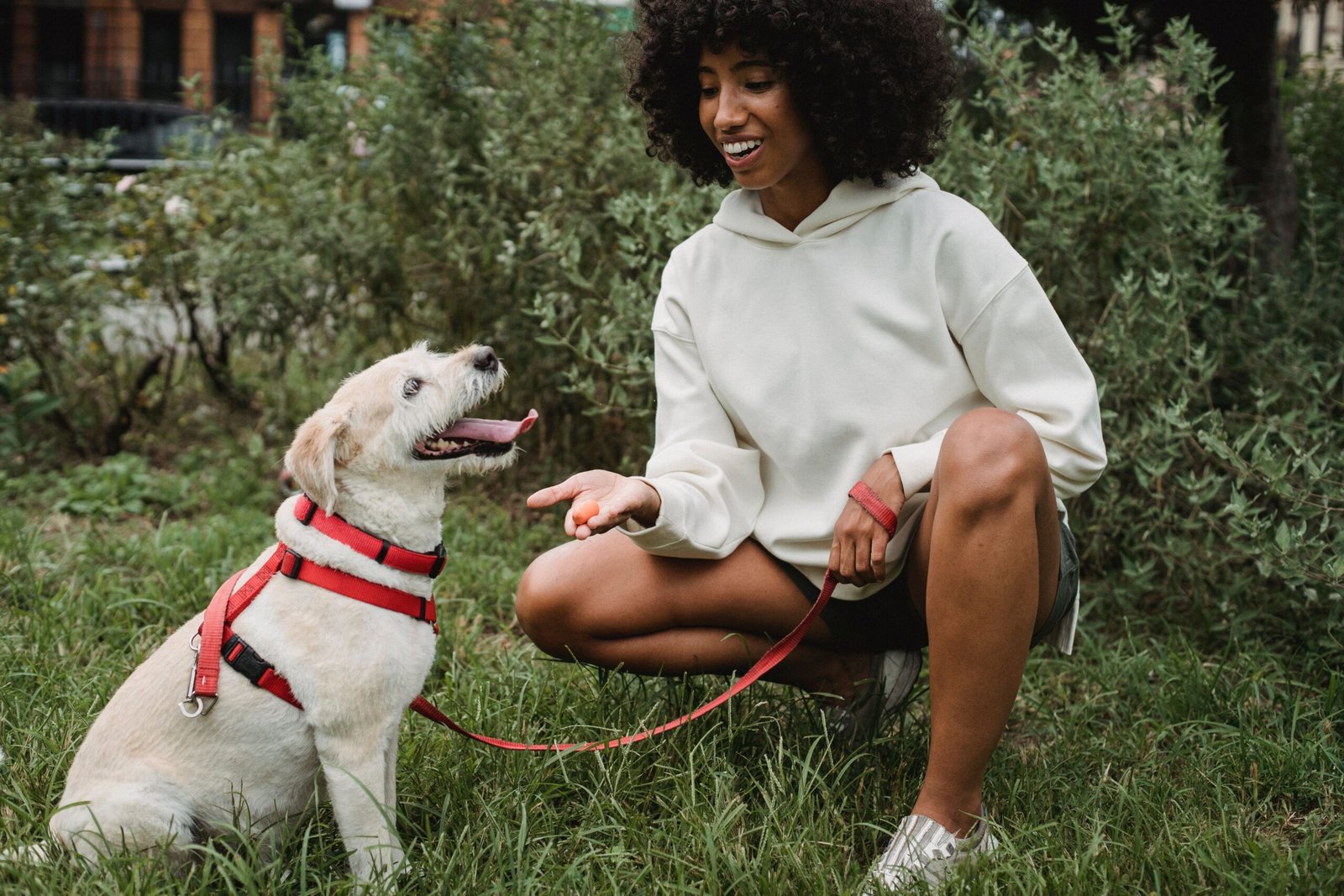
Bringing a new puppy home is an exciting experience, but dealing with accidents on your carpet or floor can quickly become frustrating. From my Experince potty training does not have to be complicated. With a consistent schedule, positive reinforcement, and a little patience, you can help your puppy learn where to go to the bathroom.
If you are wondering how to potty train a puppy, this guide will walk you through the entire process. You will learn when to take your puppy outside, how to establish a daily routine, how to handle accidents, and how to help your puppy develop reliable bathroom habits.
Every puppy learns at a different pace, so do not worry if progress is slower than expected. Consistency matters more than perfection.
Quick Answer: What Is the Best Way to Potty Train a Puppy?
The most effective approach is to take your puppy to the same designated bathroom spot frequently, especially after waking up, eating, drinking, playing, and before bedtime. Immediately reward your puppy with praise and a small treat after they finish going in the correct place.
Keep a predictable routine, supervise your puppy indoors, and clean accidents with an enzymatic cleaner. Never punish your puppy for having an accident, because punishment can create fear without teaching the behavior you want.
1. Understand When Your Puppy Needs to Go
Before starting a potty training schedule, learn to recognize your puppy’s bathroom signals.
Young puppies have small bladders and are still developing the ability to control when they urinate. They may need bathroom breaks much more frequently than adult dogs.
Watch for these common signs:
- Sniffing the floor repeatedly.
- Circling around one spot.
- Suddenly stopping during play.
- Walking toward a door or a previously used bathroom area.
- Whining, pacing, or appearing restless.
- Squatting or beginning to urinate indoors.
Do not wait for your puppy to show obvious signs every time. Many puppies need to go before they learn how to communicate their needs clearly.
Helpful tip: When your puppy wakes up, calmly take them to their bathroom spot before starting playtime or other activities.
2. Create a Consistent Puppy Potty Training Schedule
A regular schedule is one of the most important parts of successful house training. It helps your puppy understand what to expect and gives you more opportunities to reward the correct behavior.
Take your puppy outside:
- Immediately after waking up in the morning.
- Shortly after meals.
- After drinking a substantial amount of water.
- After naps.
- After active play or training sessions.
- Before bedtime.
- Whenever you notice signs that they need to go.
Very young puppies may need bathroom breaks every 30–60 minutes while awake, sometimes more frequently. The appropriate interval depends on age, size, activity, and individual needs.
Sample daily potty training schedule
| Time | Activity |
|---|---|
| 6:30 AM | Wake up and go outside |
| 7:00 AM | Breakfast, followed by a potty break |
| 8:00 AM | Bathroom break after play |
| 9:00 AM | Potty break after a nap |
| 10:00 AM | Outdoor bathroom break |
| 12:00 PM | Lunch if appropriate for the puppy’s feeding plan, then potty |
| Afternoon | Breaks after naps, meals, drinks, and play |
| 6:00 PM | Dinner if appropriate, followed by a potty break |
| 8:00 PM | Calm play and another bathroom break |
| 10:00 PM | Final potty trip before bed |
This is an example, not a rigid timetable. Adjust it to your puppy’s age, meal schedule, and actual bathroom habits. Very young puppies may need more frequent trips and overnight breaks.
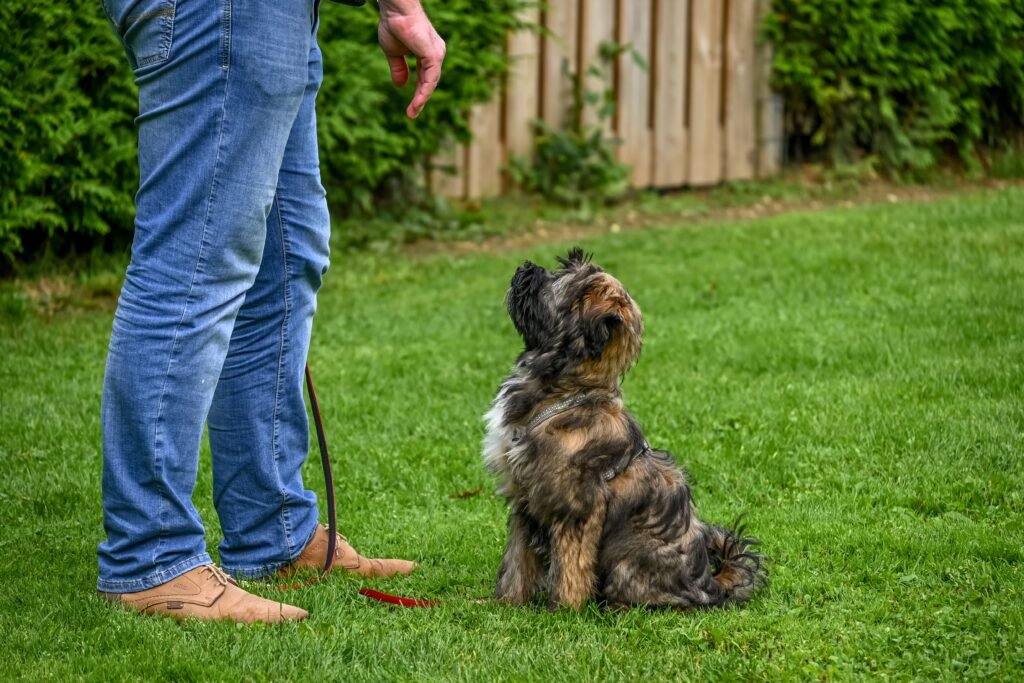
3. Choose One Bathroom Spot
Taking your puppy to a consistent outdoor location can make potty training easier.
Choose a spot that is easy to reach, safe, and suitable for your puppy. Whenever possible, use the same area for bathroom breaks.
Follow these steps:
- Attach your puppy’s leash before going outside.
- Walk directly to the designated bathroom spot.
- Stand quietly and allow your puppy time to sniff.
- Give them a few minutes to finish.
- Praise them immediately after they go.
- Offer a small treat while you are still outside.
Choose a simple cue, such as “Go potty,” and say it calmly when your puppy begins eliminating. Over time, your puppy may learn to associate the cue with the behavior.
If your puppy does not go, return indoors and supervise them closely. Try again after a short interval rather than allowing unrestricted access to the house.
4. Reward Your Puppy Immediately
Positive reinforcement teaches puppies which behaviors earn rewards.
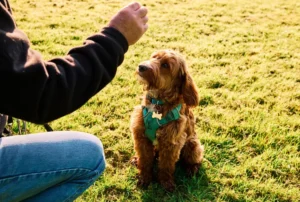
When your puppy finishes going to the bathroom in the correct place, offer a small, puppy-safe treat and enthusiastic praise immediately. If you wait until you return inside, your puppy may not understand what earned the reward.
Use rewards consistently, especially during the early stages of training.
For example:
- Your puppy urinates outside.
- You immediately say, “Good potty!”
- You offer a small treat.
- You allow a little extra sniffing or playtime if appropriate.
Avoid interrupting your puppy while they are eliminating just to give a treat. Wait until they have finished.
As your puppy becomes more reliable, you can gradually reduce treat frequency while continuing to provide praise and other rewards.
5. Supervise Your Puppy Indoors
Many potty training accidents happen because puppies have too much freedom before they understand the household rules.
Until your puppy becomes reliable, keep them in the same room as you whenever possible. Watch for sniffing, circling, wandering away, or suddenly becoming restless.
You can use several management strategies:
Baby gates: Limit access to rooms where you cannot supervise your puppy.
Leash supervision: Keep your puppy near you with a lightweight leash while you are actively watching them.
A puppy-safe playpen: Provide a comfortable, secure area when you need to complete a short task.
A properly introduced crate: Use a crate as a positive resting space, not as punishment or a place to leave your puppy for excessive periods.
Young puppies should not be expected to hold their bladder for an entire workday. If you are away for long periods, arrange help from a trusted caregiver or consider an appropriate indoor toilet area while continuing to teach your preferred bathroom routine.
6. Learn How to Handle Potty Training Accidents
Accidents are a normal part of house training. They do not mean your puppy is being stubborn or deliberately misbehaving.
If you catch your puppy beginning to eliminate indoors, calmly interrupt them without frightening them and take them to the designated bathroom spot. Reward them if they finish there.
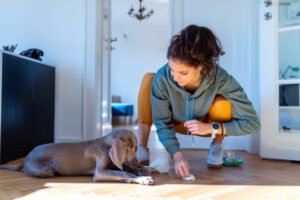
If you discover an accident after it has happened, simply clean it up. Your puppy is unlikely to connect punishment delivered later with the earlier behavior.
How to clean puppy accidents
- Blot up urine or remove solid waste.
- Use a pet-safe enzymatic cleaner according to its label.
- Allow the product to work for the recommended amount of time.
- Keep your puppy away from the area until it is safe and dry.
Ordinary cleaning products may leave odors that encourage a puppy to return to the same spot. An enzymatic cleaner formulated for pet messes can help remove lingering odor.
Never rub your puppy’s nose in an accident, shout at them, or use physical punishment. These approaches can increase fear and may teach a puppy to hide when they need to eliminate.
If accidents suddenly become much more frequent, or your puppy strains to urinate, passes blood, or appears uncomfortable, contact a veterinarian.
7. Should You Use Puppy Pads or Train Outdoors?
The right approach depends on your living situation, your puppy’s age, and whether outdoor access is practical.
Outdoor potty training
Outdoor training is a suitable choice if your goal is for your puppy to eliminate outside as an adult dog.
Benefits include:
- Establishing a clear outdoor bathroom routine.
- Reducing dependence on indoor toilet products.
- Helping your puppy learn to communicate when they need to go outside.
If your puppy has not completed their vaccinations, ask your veterinarian which outdoor areas are safe. Avoid heavily used dog-toilet areas where exposure to infectious diseases may be a concern.
Puppy pad training
Puppy pads can be useful when outdoor access is difficult, during certain apartment-living situations, or when a veterinarian recommends an indoor toilet arrangement.
However, switching between pads and outdoor elimination can require additional teaching because your puppy must learn where each bathroom option is appropriate.
If you plan to transition from pads to outdoors, gradually move the routine toward the intended outdoor location and reward the behavior you want.
Which should you choose? If your long-term goal is outdoor bathroom use and you can provide safe, frequent outdoor access, begin with outdoor training. If you need an indoor option, establish a consistent designated area rather than placing pads randomly around the home.
8. How Long Does It Take to Potty Train a Puppy?
There is no single timeline that applies to every puppy.
Some puppies begin showing consistent progress within a few weeks, while others need several months of regular practice. Age, previous experience, routine, health, and supervision all influence progress.
Here is a general guide:
| Puppy age or stage | Training focus |
|---|---|
| 8–10 weeks | Frequent breaks, supervision, and immediate rewards |
| 10–12 weeks | Building predictable routines and recognizing signals |
| 3–4 months | Gradually increasing reliability while maintaining frequent breaks |
| 4–6 months | Strengthening habits and adjusting the schedule carefully |
| Older puppies | Reinforcing routines and addressing gaps in previous training |
These are approximate stages, not deadlines. A puppy may need longer, and even a well-trained dog can occasionally have an accident.
Do not increase the time between bathroom breaks simply because your puppy has reached a particular age. Adjust gradually based on their actual success.
9. Common Puppy Potty Training Mistakes to Avoid
Even caring owners can unintentionally make training more difficult. Avoid these common mistakes.
Waiting too long between bathroom breaks
A young puppy may not be physically able to wait as long as you expect. Offer more frequent opportunities instead of testing their limits.
Forgetting to reward the correct behavior
If you wait until you return indoors to offer a treat, the connection may be unclear. Reward your puppy immediately after they finish in the right place.
Giving your puppy too much freedom too early
Unsupervised access to the entire house makes accidents harder to prevent. Expand your puppy’s freedom gradually as their reliability improves.
Changing the routine constantly
A predictable schedule makes it easier for you to anticipate your puppy’s needs. Try to keep meal times, bathroom trips, and bedtime reasonably consistent.
Punishing accidents
Punishment does not teach your puppy where to eliminate. Calmly redirect when possible, clean thoroughly, and adjust the schedule to prevent another accident.
Expecting overnight success
Potty training is a learning process. Measure progress over time instead of expecting your puppy to become fully trained in a few days.
10. How to Potty Train a Puppy at Night
Nighttime training can be challenging because young puppies may need bathroom breaks while everyone else is sleeping.
Before bed, give your puppy a final opportunity to eliminate outdoors. Keep the trip calm and quiet so your puppy understands that nighttime is for resting rather than playing.
If your puppy wakes up whining or appears restless, take them to the bathroom spot. Keep lights and interaction minimal, reward appropriate elimination, and return them to bed.
Very young puppies may need scheduled overnight breaks. Gradually adjust the routine as your puppy demonstrates that they can comfortably sleep for longer periods.
Do not withhold necessary water or ignore signs of distress simply to avoid nighttime trips. If your puppy’s nighttime urination is unusually frequent, discuss it with your veterinarian.
11. When Should You Ask a Veterinarian for Help?
Most ordinary training accidents improve with consistent management, but not every bathroom problem is behavioral.
Seek veterinary advice if your puppy:
- Strains to urinate or repeatedly produces only a few drops.
- Has blood in the urine.
- Suddenly begins having frequent accidents after previously doing well.
- Has persistent diarrhea or vomiting.
- Drinks or urinates substantially more than usual.
- Appears lethargic or uncomfortable.
Repeated straining with little or no urine can be an emergency, so seek urgent veterinary care rather than treating it as a training issue.
A veterinarian can help rule out medical causes before you change your training approach.
Frequently Asked Questions
1. What is the fastest way to potty train a puppy?
The most effective approach is a consistent routine, frequent bathroom opportunities, close supervision, and immediate rewards. There is no guaranteed shortcut, and rushing the process can lead to more accidents.
2. How often should I take an 8-week-old puppy outside?
Many 8-week-old puppies need to go outside every 30–60 minutes while awake, as well as after waking, meals, drinks, and play. Some need even more frequent breaks. Adjust according to your puppy’s signals and bathroom habits.
3. Should I wake my puppy up at night to pee?
Very young puppies may need overnight bathroom breaks. Whether to wake your puppy on a schedule depends on their age, bedtime routine, and ability to remain comfortable overnight. Follow your veterinarian’s advice if you are unsure.
4. Why does my puppy pee inside right after coming back from outside?
Your puppy may have been distracted, may not have fully emptied their bladder, or may have needed more time outdoors. Return to the designated spot, wait quietly, and reward successful elimination. Supervise your puppy closely when you go back inside.
5. Is it better to use puppy pads or go straight outside?
Outdoor training is generally preferable if your goal is outdoor elimination and safe outdoor access is available. Pads can be helpful when outdoor access is limited, but consistency is important to avoid confusing your puppy.
6. At what age should a puppy be fully potty trained?
There is no universal age. Some puppies become reliable relatively early, while others need several additional months of practice. Focus on consistent success rather than a strict age deadline.
7. Should I punish my puppy for peeing inside?
No. Punishment can cause fear and does not clearly teach the correct bathroom location. Use supervision, calm redirection, thorough cleaning, and positive reinforcement instead.
Final Verdict
Learning how to potty train a puppy takes patience, but a consistent routine can make the process easier for both you and your dog.
Start by taking your puppy outside frequently, using the same bathroom spot, and rewarding successful elimination immediately. Supervise them indoors, respond calmly to accidents, and gradually adjust the schedule as their habits improve.
Most importantly, remember that every puppy learns at a different pace. With consistency, positive reinforcement, and appropriate veterinary care when needed, you can help your puppy develop healthy bathroom habits and build a strong foundation for life at home.
Recommended next read: How to Stop a Puppy From Biting and Nipping: 7 Positive Training Tips.