If your dog is constantly scratching, licking their paws, or suffering from ear infections, food allergies could be one of the reasons. Choosing the best dog food for dogs with allergies can help reduce symptoms, improve digestion, and support healthy skin and a shiny coat.
In this guide, you’ll learn what causes food allergies, how to identify the signs, and which types of dog food work best for sensitive dogs.
What Are Dog Food Allergies?
Dog food allergies occur when a dog’s immune system reacts to a specific ingredient in its diet. While food allergies are less common than environmental allergies, they can still cause serious discomfort. Common symptoms include:
- Constant itching and scratching
- Red or irritated skin
- Recurring ear infections
- Paw licking or chewing
- Vomiting or diarrhea
- Hair loss
- Excessive gas or digestive problems
If your dog has these symptoms, consult your veterinarian before changing its diet.
Common Food Allergens in Dogs
Some ingredients are more likely to trigger allergic reactions than others. The most common allergens include:
- Beef
- Chicken
- Dairy products
- Wheat
- Soy
- Eggs
- Lamb
Remember that every dog is different. An ingredient that is safe for one dog may cause allergies in another.
Natural Nutrition for Dogs: Ebook: Homemade Food Without Secrets
Start Your Dog Training from Home: How To Housetrain & Potty Train Any Dog
What Makes the Best Dog Food for Dogs With Allergies?
When shopping for allergy-friendly dog food, look for these important features:
1. Limited Ingredient Diet (LID)
Limited-ingredient dog food contains fewer ingredients, making it easier to identify and avoid allergy triggers.
2. Novel Protein Sources
Proteins like duck, venison, rabbit, salmon, or kangaroo are less likely to trigger allergies in dogs that have been eating chicken or beef for years.
3. Hydrolyzed Protein Diets
Hydrolyzed protein diets contain proteins broken into tiny pieces that the immune system is less likely to recognize as allergens. These diets are often recommended by veterinarians for dogs with confirmed food allergies.
4. Omega-3 Fatty Acids
Fish oil and flaxseed provide omega-3 fatty acids that help reduce inflammation and improve skin health.
5. No Artificial Additives
Choose foods without artificial colors, preservatives, or unnecessary fillers.
Best Types of Dog Food for Dogs With Allergies
Limited Ingredient Dry Dog Food
Ideal for dogs with mild food sensitivities. These formulas usually contain one protein source and one carbohydrate source.
Hydrolyzed Prescription Diets
Best for dogs diagnosed with food allergies. These diets should only be used under veterinary supervision.
Fresh Dog Food
Fresh, minimally processed meals made with high-quality ingredients can be easier to digest and may help reduce allergic reactions.
Grain-Free Dog Food
Grain-free food may help dogs with grain sensitivities, but grain-free diets are not necessary for most dogs unless recommended by a veterinarian.
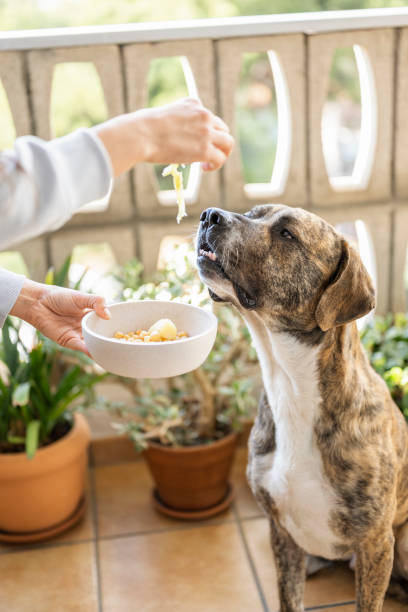
Ingredients That Support Allergy Relief
The best dog food for dogs with allergies often includes:
- Salmon
- Whitefish
- Sweet potatoes
- Pumpkin
- Brown rice (if grains are tolerated)
- Peas
- Blueberries
- Fish oil
- Vitamin E
- Zinc
These ingredients support healthy skin, digestion, and immune function.
Ingredients to Avoid
Avoid foods containing:
- Artificial flavors
- Artificial colors
- Excess preservatives
- Unknown meat by-products
- Fillers with little nutritional value
If your dog has a diagnosed allergy, carefully read ingredient labels to avoid the trigger ingredient.
Natural Nutrition for Dogs: Ebook: Homemade Food Without Secrets
Start Your Dog Training from Home: How To Housetrain & Potty Train Any Dog
How to Switch Your Dog’s Food
Changing dog food too quickly can upset your dog’s stomach. Follow this gradual schedule:
- Days 1–2: 25% new food, 75% old food
- Days 3–4: 50% new food, 50% old food
- Days 5–6: 75% new food, 25% old food
- Day 7: 100% new food
Monitor your dog for any changes in skin condition, digestion, or energy levels.
Tips for Managing Dog Food Allergies
- Keep a food diary.
- Avoid feeding table scraps.
- Introduce only one new food at a time.
- Follow your veterinarian’s recommendations.
- Give any elimination diet enough time before judging the results.
Secrets to Dog Training: Stop Your Dog’s Behavior Problems!
Also Read: Best Dog Food for Dogs with Sensitive Stomachs: Complete Guide to Better Digestion (2026)
Frequently Asked Questions
What is the best dog food for dogs with allergies?
The best option depends on your dog’s specific allergy. Limited ingredient diets, novel protein foods, and hydrolyzed protein diets are among the most effective choices.
How do I know if my dog has a food allergy?
Common signs include itchy skin, ear infections, digestive issues, and constant paw licking. Your veterinarian may recommend an elimination diet to confirm the diagnosis.
Is grain-free dog food better for allergies?
Not always. Most food allergies are caused by proteins rather than grains. Grain-free diets should only be used when appropriate for your dog’s individual needs.
Can puppies have food allergies?
Yes. Puppies can develop food allergies, although they are more commonly diagnosed in adult dogs.
Final Thoughts
Finding the best dog food for dogs with allergies requires patience and careful observation. Every dog is unique, and the right food depends on the specific ingredient causing the allergic reaction. Limited ingredient diets, novel proteins, and hydrolyzed protein formulas are excellent options for many dogs with food sensitivities.
Always work with your veterinarian to identify the cause of your dog’s symptoms and choose a nutritionally balanced diet. With the right food and proper care, your dog can enjoy healthier skin, better digestion, and a happier, more comfortable life.