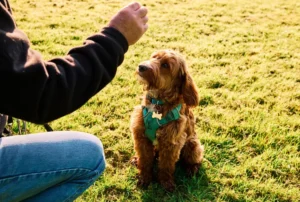
Getting a new puppy is one of the most exciting experiences for any pet owner. Along with the cuddles, playful moments, and adorable photos comes a big responsibility—training. One of the first questions many new dog owners ask is, “Can I train my puppy myself without a trainer?”
The simple answer is yes. Most puppies can learn basic obedience, good manners, and house rules without a trainer if their owners are willing to invest time, patience, and consistency. While professional trainers can be extremely helpful for complex behavioral issues, they are not essential for teaching everyday commands like sit, stay, come, or potty training.
Modern puppy training focuses on building trust and communication rather than punishment. With the right approach, you can create a strong bond with your puppy while helping them grow into a confident, well-behaved companion.
In this guide, you’ll learn everything you need to know about training your puppy at home, including practical techniques, daily routines, common mistakes, and situations where professional help may still be beneficial.
Can You Really Train a Puppy Without a Trainer?
Absolutely.
Dogs are naturally eager to learn, especially during puppyhood. Between the ages of 8 weeks and 6 months, puppies absorb new experiences quickly, making this the perfect time to begin training. Contrary to popular belief, you don’t need expensive classes or private lessons to teach your puppy basic obedience.
Thousands of dog owners successfully raise obedient, friendly, and well-mannered dogs without a trainer by using positive reinforcement and practicing a few minutes every day.
The secret isn’t complicated.
Successful puppy training depends on three things:
- Consistency
- Patience
- Positive rewards
If you can commit to these three principles, you’re already on the right path.
Now Start Your Dog Training From Home
Benefits of Training Your Puppy Yourself
Training your puppy at home offers several advantages beyond simply saving money.
1. Builds a Strong Bond
Every training session is an opportunity to build trust. Your puppy learns that listening to you leads to praise, treats, and affection. This creates a stronger relationship that lasts throughout your dog’s life.
2. Saves Money
Professional puppy training classes can be expensive, especially if multiple sessions are required. Home training allows you to achieve excellent results using free online resources, books, and daily practice.
3. Fits Your Schedule
Instead of attending classes at fixed times, you can train whenever it’s convenient. Even five-minute sessions throughout the day are enough to make significant progress.
4. Reinforces Everyday Good Habits
Training isn’t limited to formal sessions. Every interaction—feeding, walking, playing, or greeting visitors—becomes an opportunity to teach good behavior.
What You’ll Need Before Starting
You don’t need expensive equipment to train your puppy effectively.
Basic supplies include:
- Small, soft training treats
- A comfortable collar or harness
- Standard leash
- Puppy crate
- Favorite toys
- Water bowl
- Plenty of patience
Choose treats that your puppy loves. High-value rewards make learning much faster.
The Best Puppy Training Method
Modern dog trainers recommend positive reinforcement because it encourages puppies to repeat desirable behaviors.
Here’s how it works:
Whenever your puppy performs the correct behavior:
- Reward immediately.
- Offer verbal praise.
- Repeat consistently.
For example, if your puppy sits when asked, immediately give a treat and say “Good sit!”
This teaches your puppy that listening leads to positive outcomes.
Avoid yelling, physical punishment, or harsh corrections. These methods often create fear and confusion rather than teaching the desired behavior.
Step-by-Step Puppy Training Without a Trainer
Step 1: Teach Your Puppy’s Name
Before teaching commands, your puppy should respond to their name.
Say your puppy’s name in a cheerful voice.
The moment they look at you:
- Give a treat.
- Smile.
- Praise enthusiastically.
Practice several times each day until your puppy immediately gives you attention.
Step 2: Teach “Sit”
Sit is usually the easiest command.
Hold a treat above your puppy’s nose.
Slowly move it backward.
As your puppy follows the treat, their bottom naturally touches the floor.
The moment they sit:
- Say “Sit.”
- Give the treat.
- Praise warmly.
Repeat this several times daily.
Step 3: Teach “Stay”
Ask your puppy to sit.
Hold your hand out like a stop sign.
Say “Stay.”
Take one small step backward.
If your puppy remains still for even two seconds:
Reward immediately.
Gradually increase both time and distance.
Step 4: Teach “Come”
Reliable recall can protect your puppy in dangerous situations.
Begin indoors.
Call your puppy’s name followed by “Come!”
When they reach you:
Reward generously.
Never punish your puppy after they come to you—even if they took a long time.
You want “Come” to always be associated with positive experiences.
Step 5: Potty Training
House training is one of the biggest challenges for new puppy owners.
Create a consistent schedule.
Take your puppy outside:
- After waking up
- After eating
- After drinking
- After playtime
- Before bedtime
Always reward successful potty trips immediately.
If accidents happen indoors, clean them thoroughly without scolding your puppy.
Also Read : Best Dog Food for Dogs With Allergies: A Complete Guide for Healthier, Happier Pets
Step 6: Crate Training
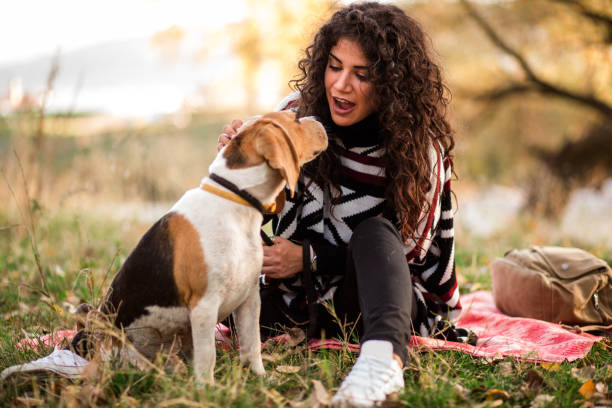
A crate gives puppies a safe place to relax.
Introduce it slowly.
Place toys, treats, and comfortable bedding inside.
Allow your puppy to explore voluntarily.
Never force your puppy inside or use the crate for punishment.
Step 7: Leash Training
Many puppies naturally pull on the leash.
When your puppy walks beside you:
Reward immediately.
If they pull:
Stop walking.
Wait until the leash becomes loose.
Then continue walking.
Your puppy quickly learns that pulling doesn’t move them forward.
Socialization Is Just as Important
Training isn’t only about commands.
Your puppy should safely experience:
- Children
- Adults
- Friendly vaccinated dogs
- Different sounds
- Car rides
- Parks
- Different walking surfaces
Early socialization helps prevent fear, aggression, and anxiety later in life.
Common Mistakes New Puppy Owners Make
Even experienced dog owners sometimes make training mistakes.
Being Inconsistent
Everyone in the household should use the same commands.
For example:
Don’t say:
- Sit down
- Sit here
- Go sit
Simply use:
“Sit”
Consistency helps puppies learn faster.
Training Too Long
Young puppies have very short attention spans.
Instead of one 30-minute lesson, try:
- Five-minute sessions
- Three to five times daily
Short lessons keep puppies interested.
Rewarding Bad Behavior
Many owners accidentally encourage jumping, barking, or begging by giving attention.
Only reward behaviors you actually want repeated.
Expecting Instant Results
Learning takes time.
Some puppies understand new commands within days.
Others require weeks.
Every puppy learns at their own pace.
Sample Daily Puppy Training Routine
A simple daily routine could look like this:
Morning
- Potty break
- Breakfast
- Five-minute training session
Afternoon
- Walk
- Playtime
- Recall practice
Evening
- Sit and stay practice
- Short walk
- Potty break
- Crate training
Keeping a routine helps puppies learn much faster.
When Should You Hire a Professional Trainer?
Although many owners succeed without a trainer, professional guidance is recommended if your puppy:
- Shows aggression
- Guards food or toys
- Has severe separation anxiety
- Bites frequently
- Is extremely fearful
- Doesn’t improve despite consistent training
Professional trainers can identify issues early before they become long-term behavioral problems.
Frequently Asked Questions
Is it possible to train a puppy without a trainer?
Yes. Most puppies can learn obedience, house manners, and basic commands at home using positive reinforcement and consistency.
At what age should puppy training begin?
Training should begin as early as 8 weeks of age. Young puppies learn quickly during their first few months.
How long should puppy training sessions be?
Keep sessions between 5 and 10 minutes. Several short sessions each day are more effective than one long session.
How long does it take to train a puppy?
Basic obedience usually takes several weeks, while complete training and good habits can take several months depending on the breed, age, and consistency of practice.
Can first-time dog owners train a puppy themselves?
Absolutely. With patience, daily practice, and the right techniques, first-time owners can successfully raise a well-behaved puppy without professional help.
Final Thoughts
So, can you train your puppy yourself without a trainer? The answer is a confident yes.
Training your puppy at home is not only possible but also incredibly rewarding. Every command your puppy learns strengthens your bond and builds trust between you. By using positive reinforcement, maintaining a consistent routine, and practicing every day, you can teach your puppy essential life skills without spending a fortune on professional classes.
Remember that every puppy learns at a different pace. Some may master “Sit” in a day, while others need a week or two. Stay patient, celebrate small victories, and enjoy the learning process together.
With dedication, kindness, and consistency, you can raise a happy, obedient, and confident dog—without a trainer.