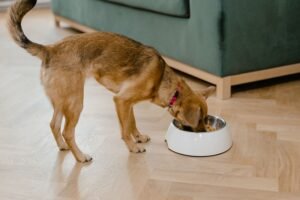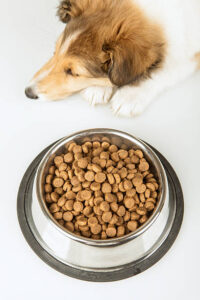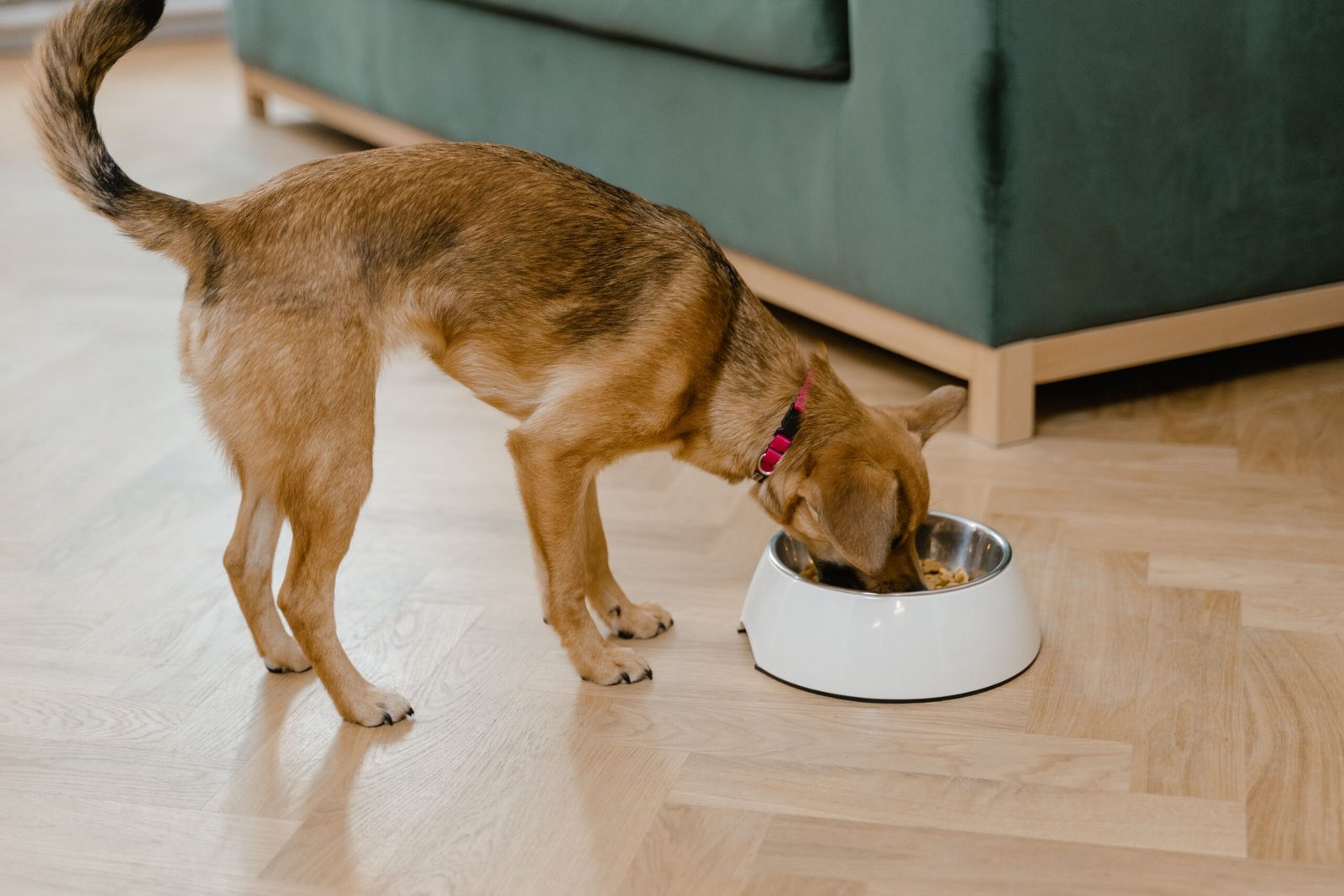
The first week with a new puppy is a blur of tiny paws, sleepless nights, and a lot of questions. Near the top of that list is almost always the same one: what should I actually be feeding this little guy? Walk into any pet store and you will find an entire wall of bags, each one promising a shinier coat, stronger bones, and a happier dog. It is easy to feel stuck.
Here is the honest answer. The best dog food for puppies is a complete and balanced diet made specifically for growth, fed in the right amounts, and matched to your puppy’s size, age, and health. That sounds simple, but the details matter, because the food your puppy eats in the first year shapes their bones, brain, immune system, and even their long-term weight.
This guide walks you through what puppies really need, how to read a label without getting fooled by marketing, which types of food work best, and how to feed small and large breeds differently. By the end, you will know exactly how to choose with confidence.
Why Puppy Food Is Different From Adult Dog Food
A puppy is not just a small adult dog. In the first year, your puppy will go from a few pounds to most of their adult size, and that kind of growth takes serious fuel.
Puppy formulas are built with higher levels of protein, fat, calcium, phosphorus and calories than adult recipes. They also tend to include DHA, an omega-3 fatty acid found in mother’s milk, which supports healthy brain and eye development. Feeding adult food to a growing puppy can leave gaps. Feeding too much of the wrong thing can be just as risky, especially for big dogs, which we will get to shortly.
If you are asking yourself what’s the best dog food for puppies, start with this rule: always choose a food labeled for growth, or for “all life stages,” and make sure it carries a proper nutritional adequacy statement.
What to Look For on the Label
Labels can feel like a foreign language, but only a few things really matter.
1. The nutritional adequacy statement
In the United States, look for a line saying the food is “complete and balanced” for growth, based on AAFCO nutrient profiles (the Association of American Feed Control Officials). In Canada, the UK and Europe, you will see similar standards, such as FEDIAF guidelines in Europe. This statement is the single most important sentence on the bag. If it is missing, put the bag back.
2. A named animal protein first
The ingredient list is ordered by weight, so look for a clear protein source near the top, such as chicken, lamb, salmon or beef. “Chicken meal” is not a bad thing; it is simply chicken with the water removed, and it is a concentrated source of protein. Vague terms like “meat by-products” without any further detail are worth a second look.
3. Healthy fats and DHA
Fats provide energy and carry essential fatty acids. Look for sources like chicken fat, fish oil or salmon oil. DHA is a bonus that many quality puppy formulas include.
4. Realistic nutrient levels
As a rough guide, growth formulas should contain at least around 22 percent protein and 8 percent fat on a dry matter basis, though many good foods go well above that. You do not need to chase the highest number on the bag. Balance matters more than extremes.
5. Skip the gimmicks
Words like “premium,” “gourmet” or “natural” on the front of a bag are marketing, not regulated promises. Turn the bag around and read the back instead.
Dry, Wet or Fresh: Which Type Is Best?
There is no single winner here, and plenty of owners use a mix.
Dry food (kibble) is convenient, affordable and good for dental health because the crunch helps scrape plaque. It also stores easily and does not spoil quickly. If you are wondering what is the best dry dog food for puppies, look for a small kibble size that tiny mouths can handle, a growth-specific formula, and a trusted manufacturer that employs veterinary nutritionists.
Wet or canned food is more palatable and has higher moisture, which is helpful for fussy eaters or puppies who do not drink much water. The downside is the cost, and it can be messier. Many owners mix a spoonful on top of kibble to boost appetite.
Fresh or gently cooked food has become popular, and some versions are formulated by veterinary nutritionists and are complete and balanced. They can be a great option but are usually the most expensive and need refrigeration. Be careful with home-cooked meals unless a veterinary nutritionist has designed the recipe, since it is surprisingly easy to get calcium and other minerals wrong.
Raw diets carry a higher risk of bacteria such as Salmonella, and major veterinary organizations generally advise against them, particularly in homes with young children or people with weak immune systems.
For most families, a high-quality dry puppy food, with an occasional wet topper, is the easiest and most reliable setup.

Best Dog Food for Puppies: Brands Worth Considering
No single brand is perfect for every puppy. A food that suits one dog beautifully can upset another’s stomach. That said, certain brands have built a reputation for research, quality control and feeding trials. These are commonly recommended by veterinarians and are a good place to begin your search:
- Hill’s Science Diet Puppy: developed with veterinary nutritionists and available in formulas for small and large breeds.
- Royal Canin Puppy: offers breed-size specific recipes, including options for small, medium, large and giant puppies.
- Purina Pro Plan Puppy: widely used by breeders and backed by extensive research, with several protein options.
- Iams and Eukanuba Puppy: long-established brands with solid growth formulas.
- Blue Buffalo Life Protection Puppy and Wellness Complete Health Puppy: popular choices with real meat first and added DHA.
- Orijen Puppy: a high-protein, meat-rich option that some owners prefer, though it is richer and pricier.
Before buying, check that the brand follows WSAVA (World Small Animal Veterinary Association) guidelines, which look at whether a company employs qualified nutritionists, runs quality control and conducts real feeding research. It is a practical shortcut for cutting through the noise.
What Is the Best Dog Food for Small Breed Puppies?
Small breeds like Chihuahuas, Yorkies, Pomeranians, Shih Tzus and Maltese have a few special needs.
They have fast metabolisms and tiny stomachs, so they need calorie-dense food in small portions. Their kibble should be small enough to chew easily. Toy breeds are also prone to low blood sugar in the first months, so regular meals matter. Many experts suggest feeding very small puppies three to four times a day, rather than two large meals.
Small breed puppies also finish growing sooner, often reaching adult size around nine to twelve months, so they can usually switch to adult food earlier than bigger dogs.
When shopping, look for a formula labeled “small breed puppy.” These are designed with higher calorie density and a kibble shape that suits little jaws. Dental care also deserves attention, since small dogs are prone to crowded teeth and tartar. A crunchy kibble plus regular brushing makes a real difference.
Also Read : How to Stop a Puppy From Biting and Nipping: 7 Positive Training Tips
What Is the Best Dog Food for Large Breed Puppies?
Large and giant breeds like Labrador Retrievers, Golden Retrievers, German Shepherds, Rottweilers and Great Danes need a very different approach. This is where choosing the wrong food can cause lasting harm.
Large breed puppies are prone to developmental orthopedic problems such as hip and elbow dysplasia. Growing too fast, or getting too much calcium, can increase that risk. That is why large breed puppy foods are carefully formulated with controlled calcium and phosphorus levels and a moderate calorie count. In the U.S., AAFCO sets a calcium ceiling for large breed growth foods, which is why a food labeled specifically for large breed puppies is important.
A few practical tips for big-dog owners:
- Choose a food clearly labeled “large breed puppy” and avoid regular puppy food or “all life stages” foods unless they state they are suitable for large breeds.
- Do not add calcium supplements unless your vet specifically tells you to.
- Keep your puppy lean. You should be able to feel the ribs without seeing them. Extra weight puts stress on soft, growing joints.
- Plan to keep feeding a large breed puppy formula for longer, often up to 12 to 24 months depending on the breed.
If you are trying to answer what is the best dog food for large breed puppies, the short version is a large breed specific growth formula from a reputable, research-driven brand, fed in measured portions.
How Much and How Often Should You Feed a Puppy?
The feeding guide printed on the bag is a good starting point, but treat it as a range, not a rule. Every puppy has a different activity level and metabolism.
A common schedule looks like this:
- 6 to 12 weeks: four meals a day
- 3 to 6 months: three meals a day
- 6 to 12 months: two meals a day
Stick to regular times. It helps with house training because puppies tend to need a bathroom break shortly after eating. Avoid leaving food out all day (free feeding), since it makes it hard to track appetite and can lead to overeating.
Check your puppy’s body condition every couple of weeks. A healthy puppy has a visible waist when viewed from above and a slight tuck from the side. If your puppy is getting rounder, trim the portions. If ribs are clearly showing and they seem low on energy, speak to your vet.
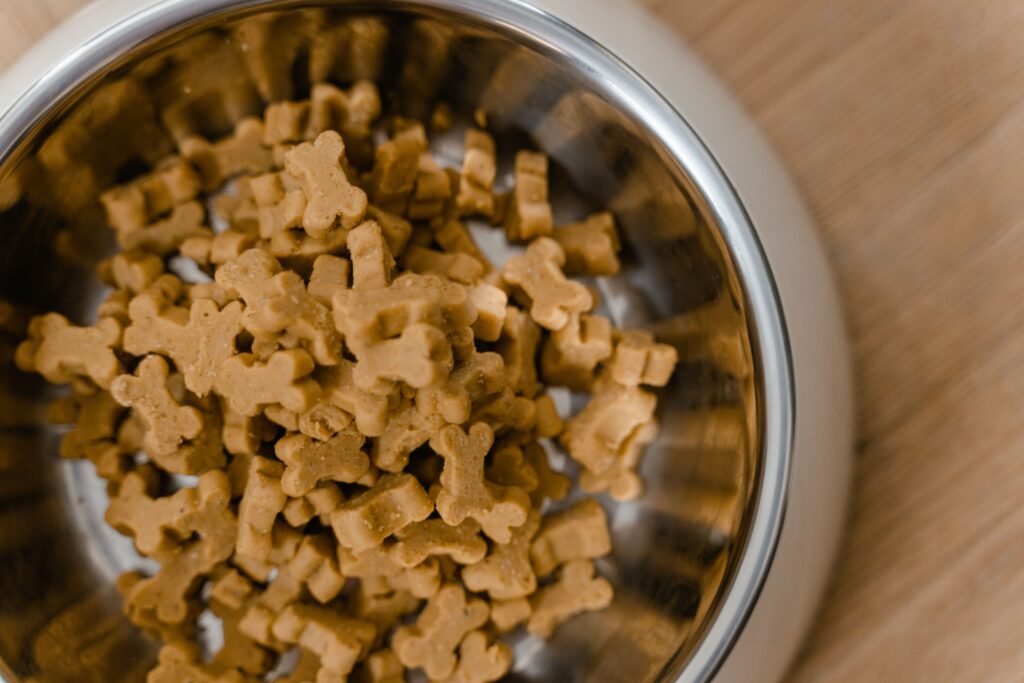
Also remember that treats count. Keep treats to roughly 10 percent of daily calories, and use small pieces during training.
How to Switch Puppy Foods the Right Way
Whether you are moving from the breeder’s food to your choice or changing brands later, never switch overnight. A sudden change often causes diarrhea and an upset stomach.
Transition slowly over seven to ten days:
- Days 1 to 3: 25 percent new food, 75 percent old food
- Days 4 to 6: 50 percent new, 50 percent old
- Days 7 to 9: 75 percent new, 25 percent old
- Day 10: 100 percent new food
If your puppy has loose stools, slow down and stay at the current ratio for a few extra days. If symptoms last more than a day or two, or your puppy seems lethargic or stops eating, call your veterinarian.
What About Grain-Free Puppy Food?
Grain-free diets have been heavily marketed, but most puppies do not need them. True grain allergies are uncommon in dogs. The U.S. Food and Drug Administration has investigated a possible connection between certain grain-free diets, especially those heavy in peas, lentils and legumes, and a heart condition called dilated cardiomyopathy. The research is still ongoing, and the link is not fully settled, but many veterinarians now suggest that healthy dogs do well on diets that include wholesome grains like rice, oats and barley. Talk to your vet before choosing grain-free.
Foods Puppies Should Never Eat
While you are building the perfect bowl, keep your puppy safe from foods that are harmful to dogs. These include chocolate, grapes and raisins, onions, garlic, macadamia nuts, alcohol, caffeine, and anything sweetened with xylitol, a sugar substitute found in some peanut butters, gums and baked goods. Cooked bones can splinter, and fatty table scraps may trigger pancreatitis. When in doubt, keep it out of the bowl.
Signs the Food Is Working
You do not need a lab test to know whether a food suits your puppy. Look for these signs:
- A shiny, soft coat and healthy skin
- Steady, healthy weight gain
- Firm, well-formed stools
- Good energy and playfulness
- Bright eyes and a healthy appetite
On the other hand, constant itching, ongoing soft stools, vomiting, a dull coat or a sudden loss of appetite may point to a food intolerance or another health issue. Do not keep switching brands every week. Give a new food at least a month unless there is a clear problem, and involve your vet if something seems off.
When to Move to Adult Food
The right moment depends on your puppy’s expected adult size. Small breeds can usually graduate between 9 and 12 months. Medium breeds typically switch at around 12 months. Large and giant breeds may need puppy food until 18 to 24 months. Your veterinarian can help you pick the right time, especially if your puppy is spayed or neutered, since that can change calorie needs.
Final Thoughts
Choosing the best dog food for puppies is less about finding a perfect brand and more about matching the right type of nutrition to your puppy’s size, age and health. Pick a complete and balanced growth formula from a reputable company, choose a small or large breed recipe where it applies, feed measured portions on a regular schedule, and change foods slowly. Pair that with regular vet checkups, and you are giving your puppy the best possible start.
Every dog is an individual, so use this guide as a starting point and lean on your veterinarian for advice that fits your own puppy.
Frequently Asked Questions
What is the best dog food for puppies?
The best dog food for puppies is a complete and balanced formula made for growth, with a named animal protein as the first ingredient, healthy fats and ideally DHA. Brands such as Hill’s Science Diet, Royal Canin, Purina Pro Plan, Iams, Blue Buffalo and Wellness are commonly recommended, but the right pick depends on your puppy’s breed size, age and any sensitivities. Ask your veterinarian to confirm the best fit.
What is the best dog food for large breed puppies?
Large breed puppies do best on a food labeled specifically for large breed puppies. These recipes have controlled calcium and phosphorus and moderate calories, which supports slow, steady growth and helps protect developing joints. Avoid supplementing with extra calcium and keep your puppy lean throughout the growing period.
What is the best dog food for puppies?
Small breed puppies need calorie-dense food in small kibble sizes, served in several small meals each day. Look for a “small breed puppy” formula from a trusted brand. Because small dogs mature faster, they can usually move to adult food earlier than larger breeds.
What is the best dry dog food for puppies?
A good dry puppy food is labeled complete and balanced for growth, uses a named meat or meat meal as the main protein, and comes from a company that follows WSAVA nutrition guidelines. Choose a kibble size that suits your puppy’s mouth, and pick the small or large breed version based on your dog’s expected adult weight.
What’s the best dog food for puppies on a budget?
You do not need the most expensive bag to feed your puppy well. Many mainstream brands offer solid, research-backed puppy formulas at reasonable prices. Focus on the nutritional adequacy statement and the manufacturer’s reputation rather than fancy packaging. Buying larger bags and storing them in a cool, airtight container can also help you save.
Can I feed my puppy adult dog food?
It is not recommended. Adult formulas generally contain less protein, fat and calories than a growing puppy requires. Unless a food is labeled for all life stages and suits your puppy’s size, stick with a puppy-specific recipe until your vet says it is time to switch.
How long should a puppy stay on puppy food?
Small breeds usually switch at 9 to 12 months, medium breeds at about 12 months, and large or giant breeds at 12 to 24 months. Your vet can help you choose the right timing for your dog.
Disclaimer: This article is for general information only and does not replace professional veterinary advice. Always consult your veterinarian before making major changes to your puppy’s diet.