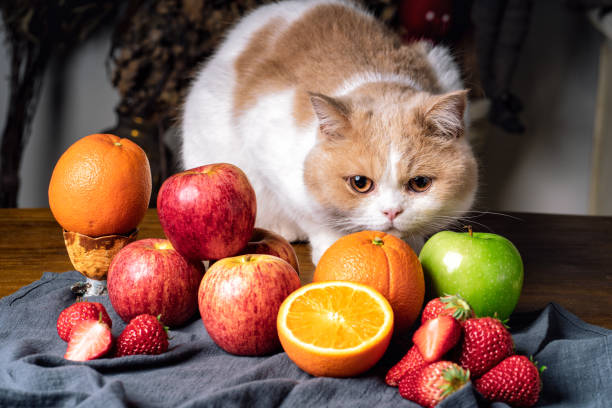
While many owners wonder if cats eat fruits, it is important to remember that felines are obligate carnivores whose bodies are designed to process animal proteins rather than plant sugars. Although most cats eat fruits only occasionally as a curious snack, certain varieties like blueberries and watermelons can provide helpful antioxidants and hydration.
However, because their digestive systems aren’t built for high carbohydrate intake, any fruit offered should be kept in strict moderation to prevent weight gain or stomach upset. Curious if your feline friend can share a slice of your snack? While cats are obligate carnivores designed to thrive on meat, certain fruits can serve as safe, occasional treats. However, because cats lack “sweet” taste buds, they often find fruit unappealing. More importantly, the high sugar content in fruit is nutritionally unnecessary and can lead to obesity or feline diabetes if overfed. Before sharing your fruit bowl, remember that balance is key.
These snacks should never exceed 10% of your pet’s daily calories; in fact, fruit should be a much smaller fraction of that limit. Always consult your vet first to ensure a specific fruit fits your cat’s unique health profile. Introduce any new treat slowly, watching closely for signs of digestive upset like lethargy or diarrhea. If your cat shows discomfort, stop immediately and seek professional advice to keep your kitty healthy and thriving.
Here are Some fruits that Cats eat fruits
1. Blueberries
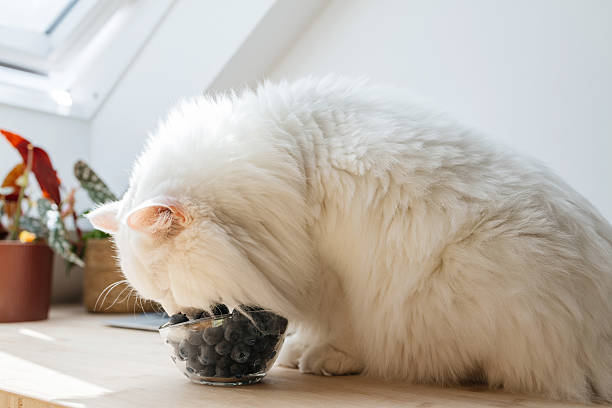
Often called a “superfood,” blueberries are packed with antioxidants and fiber that help fight oxidative stress and support a strong immune system. They are a top choice for feline treats because they are naturally low in sugar and may support urinary tract health and long-term vision. Beyond these basics, their small, bite-sized shape makes them the perfect low-calorie reward for training or enrichment.
2. Watermelon
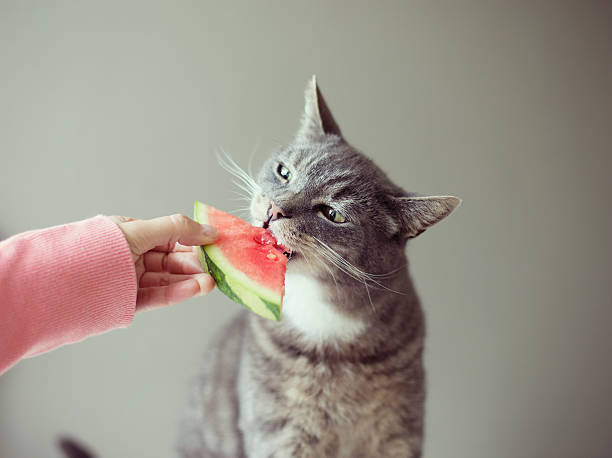
This fruit is roughly 92% water, making it an excellent tool for hydration, especially for cats that naturally have a low thirst drive or primarily eat dry kibble. Beyond its high moisture content, watermelon is a natural source of vitamins A, B6, and C, which contribute to healthy skin and coat.
3. Apples

Rich in fiber and vitamins A and C, apples can support digestion and immune health, helping your cat maintain a resilient internal system. The dietary fiber found in the flesh of the apple is particularly beneficial for promoting regular bowel movements and can be a gentle way to assist cats struggling with mild constipation.
Furthermore, the calcium and phosphorus found in apples contribute to bone and dental health, though the fruit should never replace a balanced meat-based meal. It is crucial to peel the apple and slice it into thin, manageable slices to prevent choking. Most importantly, you must completely remove the core and all seeds, as apple seeds contain amygdalin, which releases cyanide when digested—a substance that is highly toxic to felines. When prepared safely, a small crunch of apple provides a nutrient-dense variety to their usual routine.
4.Cantaloupe

Felines are often attracted to its scent, which mimics certain meat proteins, specifically those containing amino acids that trigger a cat’s curiosity. This makes cantaloupe a unique treat that even picky eaters might enjoy investigating. Beyond its alluring aroma, it provides beta-carotene, a powerful antioxidant that supports healthy skin and eyes, helping to maintain your cat’s sharp vision and coat luster.
Cantaloupe is also high in vitamins A and C, which bolster the immune system and help fight inflammation. Because it has a high water content, it’s a great way to sneak extra moisture into their diet, particularly during the summer months. To serve it safely, ensure you remove the tough, textured rind—which can harbor bacteria and cause a choking hazard—and cut the soft orange flesh into tiny, bite-sized pieces.
5. Bananas

These are high in potassium and vitamin B6, which help maintain heart health and muscle function, ensuring your cat stays active and agile. Potassium is a vital electrolyte that supports nerve impulses and keeps the heart beating steadily, while Vitamin B6 is essential for protein metabolism, making it a functional supplement to their meat-heavy diet. While bananas are a nutritional powerhouse, they are also quite dense in natural sugars and starches compared to other fruits. Because of this, they should be offered sparingly—just a tiny, mashed bit or a thin coin-sized slice is plenty. The soft, creamy texture is often a hit with senior cats who may have sensitive teeth, but too much can lead to weight gain or digestive upset. Always peel the banana completely, as the skin is indigestible and can cause a serious stomach blockage
6. Strawberries:

Fresh or frozen strawberries offer a boost of vitamin C and antioxidants to strengthen the immune system, helping your cat’s body defend against cellular damage. These bright berries also contain manganese, which aids in bone health and metabolic function, and a small amount of fiber to help move things along through the digestive tract.
Because of their porous texture, strawberries can be a fun sensory experience for cats; many enjoy batting a frozen berry around before taking a nibble. However, they are relatively high in natural sugar, so they should be served as a very occasional treat. To prepare them, always remove the green leaves and stems—which can be a choking hazard—and cut the berry into tiny, pea-sized bits. Whether served as a chilled snack or mashed into their wet food, strawberries provide a flavorful nutrient boost without the need for artificial additives.
Pumpkin:
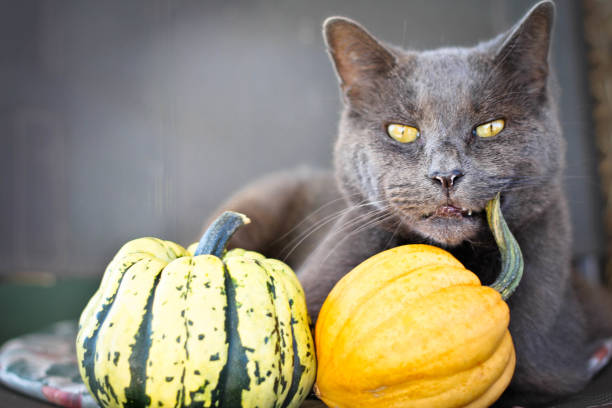
Plain, cooked pumpkin is widely used to regulate digestion and can help with both diarrhea and constipation due to its unique blend of soluble and insoluble fiber. This natural remedy works by absorbing excess water to firm up loose stools, while simultaneously providing the bulk needed to move things along when a cat is feeling backed up.
In addition to being a digestive powerhouse, pumpkin is loaded with Vitamin A, iron, and potassium, which support overall organ function and a healthy immune system. Many veterinarians recommend keeping a can of 100% pure pumpkin puree (not pumpkin pie filling) in the pantry as a go-to for minor tummy troubles or to help manage hairballs. It’s also incredibly low in calories but high in volume, making it a great “filler” for cats on a weight-loss plan to help them feel full without overeating.
Critical Safety Precautions
To ensure these treats stay safe, always follow these preparation rules:
- Remove Toxic Parts: Always discard seeds, pits, cores, and stems from fruits like apples, pears, and peaches, as they contain traces of cyanide.
- Peel and Deshell: Remove tough skins, rinds, or peels (like from watermelon, cantaloupe, or mangoes) that can cause choking or digestive blockages.
- Serve Plain: Only offer fresh, raw fruit. Never feed your cat canned fruit in syrup, fruit snacks, or anything with added sugar or artificial sweeteners (like Xylitol, which is highly toxic).
- Small Portions: Cut fruit into pea-sized pieces and limit treats to no more than 10% of their daily calorie intake.
Related : Are Oranges Dangerous for Cats? What the Experts Say
Fruits to Avoid Completely
Never feed your cat grapes or raisins, as they can cause rapid kidney failure. You should also avoid citrus fruits (lemons, limes, oranges) and cherries, which can cause severe stomach upset or central nervous system issues
FAQ on Cats Eat Fruits
1.Is it safe when cats eat fruits as part of their daily diet?
While certain varieties are safe, cats eat fruits best when they are served only as occasional treats. Because cats are obligate carnivores, their primary nutrition must come from meat. Fruit should never replace a balanced meal and should make up less than 10% of their total caloric intake to avoid nutritional imbalances.
2. Why do cats eat fruits if they cannot taste sugar?
It is a biological fact that felines lack sweet taste buds, yet some cats eat fruits because they are attracted to the moisture, unique texture, or specific aromas. For instance, the scent of a cantaloupe often mimics the smell of meat proteins, triggering a cat’s natural curiosity and appetite.
3. Which specific varieties should I choose when cats eat fruits?
When cats eat fruits, the safest options are blueberries, seedless watermelon, and peeled apples. These provide beneficial antioxidants and hydration. Always ensure the portions are cut into very small, pea-sized pieces to prevent choking and to make digestion easier for your pet.
4. Are there risks involved when cats eat fruits with seeds or pits?
Yes, there are significant risks. Before cats eat fruits like apples or peaches, you must remove all seeds and pits, as these contain amygdalin, which can release toxic cyanide. Additionally, rinds and skins should be removed to prevent intestinal blockages or choking hazards.
5. Can cats eat fruits that are dried or canned in syrup?
No, you should avoid these entirely. When cats eat fruits, they should only consume fresh, raw portions. Dried fruits have concentrated sugars that can lead to obesity, and canned fruits often contain xylitol or heavy syrups that are dangerous for feline health and can cause diabetes.
6. What happens if cats eat fruits that are toxic, like grapes?
If cats eat fruits that are toxic—specifically grapes or raisins—it is a medical emergency. These can cause rapid kidney failure. If you suspect your cat has ingested a toxic fruit, contact your veterinarian immediately, even if they aren’t showing symptoms like vomiting or lethargy yet.