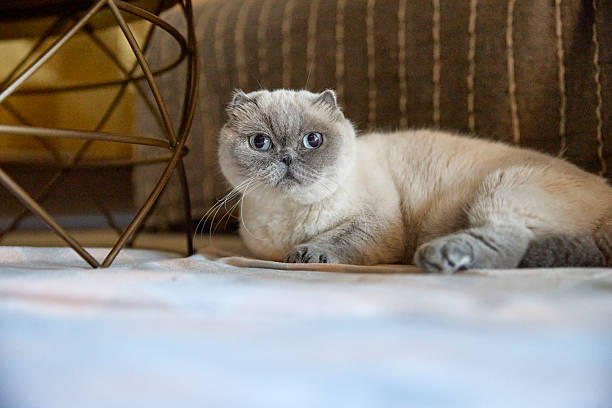
The Scottish Fold is a gentle and affectionate cat breed famous for its round face, plush coat, and signature folded ears that give it an adorable owl-like appearance. This unique feature originated from a farm cat in Scotland carrying a natural genetic mutation that later shaped the breed. Scottish Folds are known for being calm, playful, and loving companions who enjoy spending time with their families. However, the same gene responsible for their folded ears is also linked to a serious skeletal condition that can cause painful joint and bone problems in some cats.
Learn more about the playful and affectionate Scottish fold, including their care needs, temperament, and more.
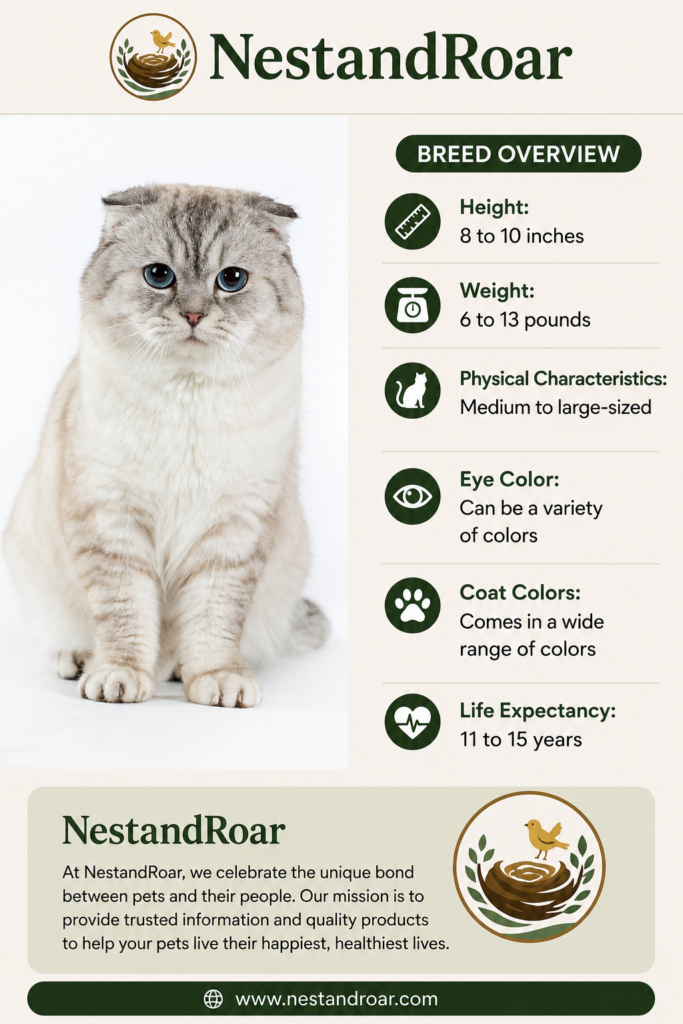
Scottish Fold Characteristics
The Scottish Fold is loved for its calm, friendly nature and social personality. These affectionate cats usually bond well with other cats, cat-friendly dogs, and gentle children, making them an excellent choice for multi-pet families. Their sweet temperament and love for companionship help them quickly become a comforting and lovable part of the household. Scottish Folds also enjoy spending time with their humans, whether relaxing on the couch or quietly following family members around the home.
Related : 10 Best British Cat Breeds
The Scottish Fold is a calm and affectionate cat that prefers gentle play sessions and long, cozy cuddle time over intense activity. Their sweet personality and relaxed nature make them wonderful indoor companions for quiet households and apartment living.
Interestingly, Scottish Fold kittens are born with straight ears. Around three weeks after birth, kittens carrying the special fold gene begin developing the breed’s signature folded ears, which gradually bend forward from the outer edge near the base. This unique trait is caused by a dominant genetic mutation that affects cartilage and bone development throughout the body.
Cats inheriting two copies of the fold gene, known as homozygous cats, often suffer from serious skeletal issues such as osteochondrodysplasia, a painful condition that can lead to severe arthritis and mobility problems early in life. Because of these health concerns, responsible breeders avoid breeding two folded-ear cats together.
Scottish Folds with only one copy of the gene, called heterozygous cats, are generally healthier and still display the adorable folded-ear appearance. However, some may still develop joint stiffness or arthritis as they age. Despite ongoing debates about the breed’s long-term health and welfare, many Scottish Folds continue to live loving lives with proper veterinary care, balanced nutrition, and a comfortable indoor environment.
| Affection Level | High |
| Friendliness | Medium |
| Kid-Friendly | High |
| Pet-Friendly | High |
| Playfulness | Medium |
| Intelligence | High |
| Exercise Needs | Medium |
| Energy Level | Medium |
| Tendency to Vocalize | Low |
| Amount of Shedding | Medium |
History of the Scottish Fold
The adorable Scottish Fold traces its origins back to a white barn cat named Susie, discovered in Perthshire, Scotland, in 1961. Susie’s naturally folded ears were caused by a genetic mutation, a unique trait she passed down to many of her kittens. Fascinated by her unusual appearance, local farmer William Ross began breeding one of Susie’s kittens, Snooks, helping establish the beloved Scottish Fold breed known today for its round face and signature folded ears.
Over the years, Scottish Folds became popular worldwide thanks to their sweet personalities, calm temperament, and owl-like appearance. They are affectionate companions that enjoy spending time with their families and adapt well to indoor living. Their charming looks have also attracted celebrities, including Taylor Swift, who owns two famous Scottish Folds named Meredith and Olivia.
However, the breed has also sparked controversy among veterinarians and animal welfare groups. The same gene responsible for the folded ears is linked to a condition called osteochondrodysplasia, which can cause joint pain, stiffness, and mobility problems in some cats. Due to these health concerns, the breed’s registration was withdrawn in the United Kingdom in 1971, although Scottish Folds continue to be recognized by organizations such as the ACFA, CFA, and TICA in other countries. Despite the debate, the breed remains one of the most recognizable and loved cat breeds in the world.
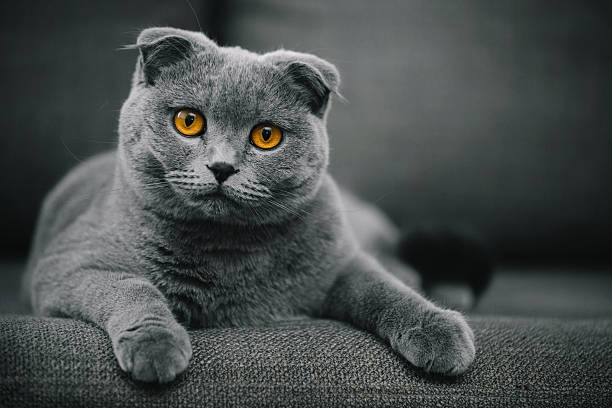
Scottish Fold Care
Scottish Fold cats are easygoing, affectionate companions that enjoy relaxing with their favorite humans. They don’t require a lot of grooming or intense activity, but they still love interactive playtime, cozy cuddles, and spending quality time with family members. Their calm temperament and adorable folded ears make them a popular choice for indoor pet lovers.
Exercise
Scottish Fold cats are playful, moderately active companions that enjoy spending time with their favorite humans. They love interactive toys, gentle games, and cozy climbing spots like cat trees where they can relax and watch everything from above. These affectionate cats thrive on attention and enjoy being part of daily family life.
When handling or petting a Scottish Fold, be especially gentle with their tail. Many folds can develop stiffness in their tail joints, making rough bending or pulling uncomfortable or even painful. Providing soft playtime, comfortable resting spaces, and gentle care helps keep these adorable cats happy and relaxed.
Grooming
Are Scottish Fold cats hypoallergenic? Unfortunately, no. These adorable cats have a thick double coat that sheds regularly, which can trigger allergies in sensitive people. Their plush fur needs weekly brushing to reduce shedding, prevent mats, and minimize hairballs.
Because some Scottish Folds may develop osteoarthritis, grooming themselves can become difficult over time. In such cases, owners may need to help with regular brushing and occasional baths to keep their coat clean and healthy. Nail trimming every few weeks and providing a sturdy scratching post are also important for proper claw care and protecting household furniture.
Dental hygiene should not be overlooked either. Brushing your cat’s teeth weekly can help prevent plaque buildup and support overall health. Their unique folded ears also require extra attention. Since reduced airflow can make them more prone to ear infections, check and gently clean their ears every week for signs of wax buildup, irritation, mites, or infection. With proper grooming and care, Scottish Folds can stay happy, healthy, and comfortable for years.
Common Health Problems
Scottish Fold cats are adorable and affectionate, but they can be vulnerable to several inherited health issues. That’s why choosing a responsible and reputable breeder is extremely important. One of the most serious concerns is osteochondrodysplasia, a genetic condition that affects cartilage and bone development, often leading to stiff tails, joint pain, difficulty walking, and reduced mobility over time. Even though many Scottish Folds can live a normal lifespan, they may experience chronic discomfort due to this condition.
They may also be at risk for polycystic kidney disease, an inherited disorder that causes fluid-filled cysts in the kidneys, as well as cardiomyopathy, a type of heart disease that can cause breathing problems, lethargy, appetite changes, and irregular heart rhythms. Because of their skeletal issues, many Scottish Folds eventually develop arthritis, which can make movement painful as they age. Regular vet checkups, proper nutrition, and early monitoring can help improve their quality of life and keep them healthier for longer.
Appearance
The most distinctive trait of the Scottish Fold is its adorable folded ears, which give the breed its signature owl-like appearance. These cats are also known for their rounded features, including a round face, chubby body, big circular eyes, and short, sturdy legs that create an irresistibly cuddly look. Their thick tails and soft expressions make them even more charming.
Scottish Folds are medium-sized cats with plush, dense coats that can be either short or long-haired. They come in a wide range of beautiful colors and patterns, including gray, black, white, cream, red, tabby, calico, and tortoiseshell. Beyond their cute appearance, they are affectionate, calm, and love spending time with their families.
Interestingly, not every kitten in a Scottish Fold litter develops folded ears. Those born with straight ears are known as Scottish Straights, but they still share the same sweet personality and lovable appearance as their folded-ear siblings.
Diet and Nutrition
A Scottish Fold should be fed a balanced, high-quality diet similar to other domestic cats, with special attention to maintaining a healthy weight. Extra pounds can place added pressure on their joints and bones, increasing the risk of health issues such as diabetes and mobility problems. Owners may choose wet food, dry food, or a mix of both depending on the cat’s preferences and nutritional needs.
Related : Can cats eat fruits: A Complete Guide to Healthy Feline Treats”?
As your cat grows from kittenhood to adulthood and senior years, its dietary requirements will naturally change. Regular checkups with a veterinarian can help ensure your Scottish Fold is getting the right nutrients at every stage of life. Monitoring portion sizes, encouraging daily activity, and preventing obesity can greatly improve your cat’s overall health, comfort, and lifespan.
Where to Adopt or Buy a Scottish Fold
Scottish folds are expensive; breeders might charge $1,000 to $3,000 or more for kittens.
You may be able to find a purebred Scottish fold cat through a breeder in your area, but if you would rather adopt from a rescue organization, check out:
Scottish Fold Overview
The Scottish Fold is loved for its sweet personality, calm nature, and adorable folded ears. These affectionate cats adjust well to families and apartment living, making them popular companions around the world. However, the same genetic trait that creates their unique ear shape can also lead to painful joint and cartilage problems later in life. Many Scottish Folds may experience stiffness, mobility issues, or chronic discomfort as they age, which is why responsible breeding and proper care are so important for this charming breed.
Pros of Scottish Folds
- Unique, cute appearance
- Calm and easygoing
- Affectionate and friendly with adults, kids, and other pets
Cons of Scottish Folds
- High risk for debilitating cartilage and bone disease
- May be uncomfortable throughout life
- Breeding is controversial
Related : How to Prevent Your Cat from Chewing Electrical Cords
More Cat Breeds and Further Research
If you’re interested in similar breeds, check out: