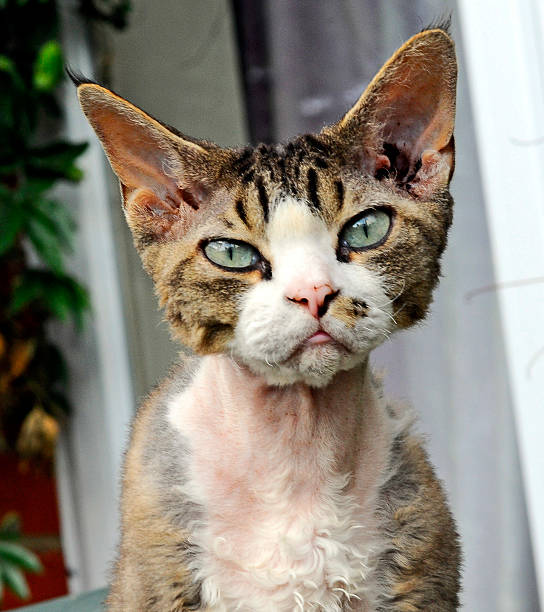
The Devon Rex is a small, short-haired cat breed that first emerged in England during the late 1950s and gained recognition in the 1960s. Famous for its oversized ears, soft curly coat, and mischievous elf-like face, this unique feline owes its striking appearance to a natural genetic mutation. With their slender bodies, large expressive eyes, and playful charm, Devon Rex cats easily stand out among other breeds.
Often compared to pixies because of both their looks and lively personalities, Devon Rex cats are affectionate, energetic, and deeply people-oriented. They thrive on human interaction and love being involved in everyday family activities, whether it’s playing games, cuddling on the couch, or following their owners around the house. Their curious, happy-go-lucky nature makes them entertaining companions who rarely fail to bring laughter and excitement into a home.
Beyond their unusual appearance, the Devon Rex has earned a loyal following among cat lovers who appreciate an intelligent, interactive, and highly social pet. Their combination of quirky looks, playful behavior, and loving temperament makes them a truly unforgettable breed for families, singles, and devoted cat enthusiasts alike.
Devon Rex Cat Characteristics
The Devon Rex is often playfully described as a combination of a cat, dog, and even a monkey because of its energetic, mischievous, and extremely affectionate personality. These cats are incredibly social and love being involved in everything their humans do.
“A typical Devon rex personality is very people-focused—they always want to be close to their owners, constantly seeking attention, affection, and interaction,” explains Shannon Ketter.
Known for their loyal and entertaining nature, Devon rex cats will often greet their owners at the door, follow them from room to room, and even “talk back” with soft meows during conversations. According to Ashley Kemper, these playful felines love curling up beside their favorite humans, perching on shoulders like parrots, and staying involved in daily activities around the house.
As kittens and young adults, Devon rex cats are usually bursting with energy and curiosity, always climbing, jumping, and exploring. However, as they mature, they often develop into gentle, affectionate “cuddle bugs” that enjoy relaxing close to their families. Their loving temperament, intelligence, and clown-like behavior make them one of the most entertaining and devoted cat breeds for people who want a highly interactive companion.
| Affection Level | High |
| Friendliness | High |
| Kid-Friendly | High |
| Exercise Needs | High |
| Pet-Friendly | High |
| Playfulness | High |
| Energy Level | High |
| Intelligence | High |
| Tendency to Vocalize | Medium |
| Amount of Shedding | Medium |
History of the Devon Rex Cat
The history of the Devon Rex began in 1959 when a unique curly-haired kitten was born to a stray calico cat in Devon, England. The kitten, later named Kirlee, was discovered and cared for by a woman named Beryl Cox. At first, many believed Kirlee’s unusual coat was linked to the curly-haired Cornish Rex breed, which was already gaining attention at the time. Hoping to help preserve the curly-coat trait, Cox allowed Kirlee to be part of breeding programs connected to the Cornish Rex project.
However, breeders soon discovered that Kirlee’s coat was caused by an entirely different genetic mutation. This important discovery led cat enthusiasts to realize they were dealing with a completely separate breed. Dedicated breeding efforts were then started to protect and develop Kirlee’s rare gene, eventually forming the foundation of what would become the Devon Rex breed.
Known for their large ears, slender bodies, playful personalities, and soft wavy coats, Devon Rex cats quickly became popular among cat lovers around the world. By the 1970s, major cat fancier associations officially recognized the Devon Rex as a distinct breed, cementing its place as one of the most unique and affectionate cat breeds in the feline world.
Devon Rex Cat Care
Caring for a Devon Rex is generally simple, but this unique breed does require extra attention in certain areas like exercise, companionship, and grooming. Known for their playful personality and affectionate nature, Devon Rex cats thrive in homes where they receive plenty of interaction and mental stimulation. Their short, soft coat is low-shedding, but regular skin and ear care are still important to keep them healthy and comfortable. If you’re planning to own a Devon Rex, understanding their specific care needs will help ensure they stay happy, active, and well cared for throughout their life.
Exercise
The Devon rex is an energetic and playful cat that loves a home filled with opportunities to climb, jump, and explore. These curious felines are always on the move and enjoy interactive environments that keep both their minds and bodies active. Despite their adventurous nature, it’s safest to keep a Devon rex indoors. Their unique, striking appearance can unfortunately make them a target for theft, and outdoor dangers such as busy roads, predators, and contagious diseases also pose serious risks.
If your Devon rex enjoys fresh air and outdoor adventures, there are safer ways to satisfy their curiosity. A secure catio, supervised walks with a harness and leash, or rides in a cat stroller can give them outdoor stimulation while keeping them protected. Inside the home, it’s important to provide plenty of enrichment to match this breed’s lively personality. Tall cat trees, climbing shelves, puzzle feeders, wand toys, and interactive games like fetch can help burn off energy and prevent boredom. The Devon rex is also highly intelligent and often enjoys learning tricks or participating in clicker training sessions, making them a fun and engaging companion for active cat lovers.
Grooming
Devon Rex cats have a soft, curly coat with very few guard hairs—the protective outer layer found in most cats. Because their coat is thinner and less absorbent, natural skin oils can build up more quickly, sometimes leaving their skin feeling greasy. To keep their coat and skin in good condition, Devon Rex cats may benefit from occasional baths and gentle grooming.
According to experts, some Devon Rex cats also tend to produce more earwax than many other breeds. Regular ear checks and gentle cleaning, when needed, can help prevent wax buildup and reduce the risk of irritation or infection.
Although Devon Rex cats do shed, they lose far less fur than many traditional cat breeds. Their coat is often described as soft, fine, and almost cotton-like rather than thick or hairy. In many cases, simply wiping them down with a damp cloth is enough to remove loose fuzz and keep their coat looking neat. Due to their low-shedding nature, Devon Rex cats are also known to produce lower levels of the Fel d1 protein, which is the primary allergen responsible for most cat allergies. However, it’s important to remember that no cat breed is completely hypoallergenic.
Routine nail trimming is another essential part of caring for a Devon Rex. Keeping their nails properly trimmed helps improve the cat’s comfort while also protecting furniture, carpets, and other household items from scratches.
Common Health Problems
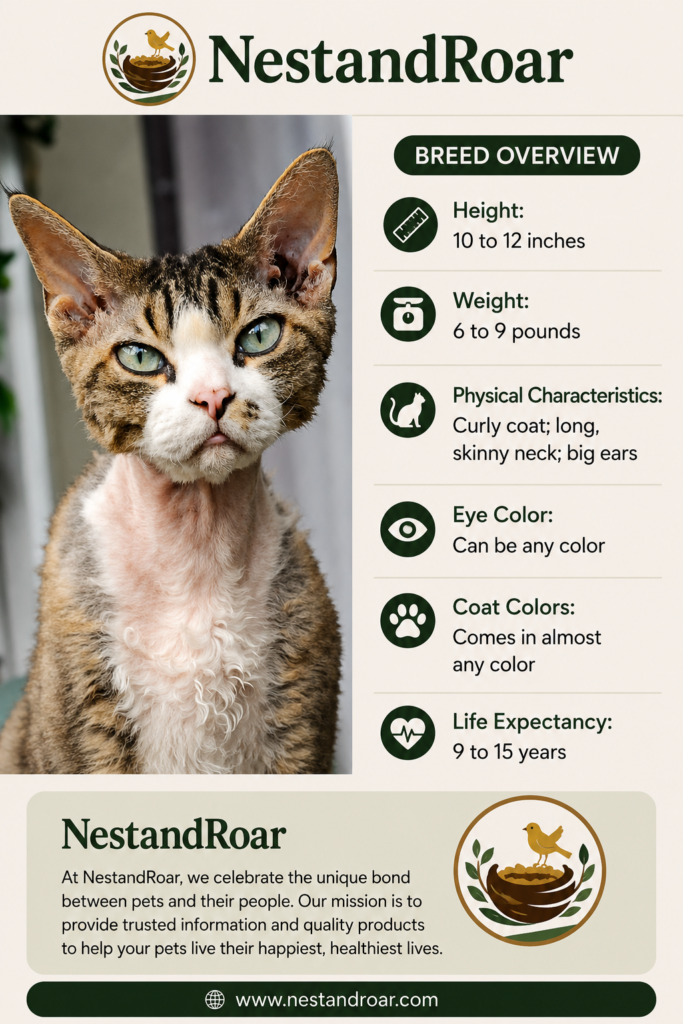
The Devon Rex is generally considered a healthy and active breed, with an average lifespan of around 9 to 15 years. These playful and affectionate cats often remain energetic well into adulthood. However, like many purebred cats, they may be genetically predisposed to certain health conditions that potential owners should be aware of. Regular veterinary care, a balanced diet, and responsible breeding practices can help reduce the risk of serious health problems.
Some of the most common health concerns seen in Devon Rex cats include:
Hypertrophic Cardiomyopathy (HCM): One of the most common heart diseases in cats, HCM causes the heart muscle to thicken, which can affect normal heart function. Responsible breeders often screen breeding cats through echocardiograms and genetic testing, so it’s important to ask for health records before adopting a kitten.
Polycystic Kidney Disease (PKD): This inherited disorder leads to the formation of fluid-filled cysts in the kidneys, which may eventually result in kidney failure. Fortunately, PKD can often be identified through genetic screening, making breeder transparency especially important.
Hip Dysplasia: Although more commonly associated with dogs, hip dysplasia can also affect cats. This condition occurs when the hip joint develops abnormally, potentially leading to discomfort, stiffness, reduced mobility, and arthritis as the cat ages.
Luxating Patella: This orthopedic issue happens when the kneecap slips out of its normal position. It can cause pain, limping, and difficulty walking, and over time may contribute to joint inflammation and early-onset arthritis.
With proper care, early health screenings, and regular checkups, many Devon Rex cats live long, happy, and comfortable lives while continuing to delight their families with their unique appearance and loving personalities.
Appearance
Devon Rex cats are easy to spot because of their unique, fairy-like appearance and playful charm. This distinctive breed has a slim yet muscular body, giving them an athletic and energetic look despite their delicate frame. Their head is wedge-shaped with high cheekbones, a short nose, and strikingly large eyes that can appear in almost any shade, adding to their expressive personality.
One of the most noticeable traits of the Devon Rex is its enormous bat-like ears, which sit low on the head and create its famous mischievous expression. Combined with their curious nature and lively attitude, these cats often seem almost pixie-like in appearance.
Their coat is another standout feature. Unlike most cats, the Devon Rex has a very short, soft, and velvety coat that feels similar to suede or plush fabric when touched. The fur naturally forms gentle waves and curls across the body, especially along the back, sides, and tail, due to the breed’s minimal guard hairs. This unusual texture gives them a delicate and elegant look while also reducing shedding compared to many other breeds.
The Devon Rex can be found in virtually every color, pattern, and combination imaginable, making each cat truly one of a kind. Along with their unusual appearance, they are also known for being affectionate, intelligent, and highly social companions who love interacting with their families.
Diet and Nutrition
The Devon Rex does not require any unique or breed-specific diet beyond a balanced, nutritious meal plan suitable for healthy cats. A high-quality, protein-rich diet made primarily from real meat is the best choice to support their energy levels, lean muscles, and overall well-being. Since Devon Rex cats are active and playful, providing nutrient-dense food can help maintain their healthy body condition and shiny coat.
Like all cats, portion control is important to avoid unnecessary weight gain or obesity. Fresh, clean drinking water should always be available throughout the day to keep your cat properly hydrated. It’s recommended to feed your Devon Rex measured meals on a consistent schedule rather than leaving food out all day. Kittens generally need three to four small meals daily to support their rapid growth and development, while adult Devon Rex cats typically do well with two meals a day, usually served in the morning and evening. Regular feeding routines and proper nutrition can help keep your Devon Rex healthy, active, and thriving for years to come.
Where to Adopt or Buy a Devon Rex Cat
Finding a Devon Rex at a local shelter or rescue can be difficult because this unique breed is relatively rare and in high demand. Most people who want a Devon Rex kitten choose to work with a trusted and ethical breeder who focuses on producing healthy, well-socialized cats.
When searching for a breeder, it’s important to choose someone who genuinely cares about the cats’ health, temperament, and overall well-being. Reputable breeders will usually:
- Provide clear information about the kitten’s lineage and genetic health testing
- Be open and transparent about breeding practices
- Allow in-person visits or video calls so you can see the cats’ living environment
- Ensure kittens are properly socialized and not separated from their mother too early
- Take time to match the right kitten with the right family instead of rushing the sale
Because of their rarity and popularity, a Devon Rex kitten typically costs between $1,000 and $3,000, depending on factors such as pedigree, breeder reputation, and location.
It’s also wise to avoid backyard breeders, kitten mills, and pet stores that cannot provide proper health records or veterinary care. These sources often prioritize profit over animal welfare, which can lead to behavioral issues and long-term health problems. Taking the time to find a responsible breeder will help ensure you bring home a happy, healthy, and well-adjusted companion.
Devon Rex Overview
The Devon Rex is a loving, energetic, and highly social breed that easily stands out with its soft curly coat, large bat-like ears, and mischievous expression. Known for their playful personality and clown-like behavior, these cats enjoy being the center of attention and often form deep bonds with their families.
If you prefer a quiet and distant pet, the Devon Rex may not be the ideal companion. This affectionate breed thrives on human interaction, daily playtime, and constant companionship. They love following their owners around the house, cuddling whenever possible, and staying involved in everyday activities. Their intelligence and curiosity also mean they need plenty of stimulation, toys, and affection to stay happy and entertained.
Pros of the Devon Rex
- Friendly and social with people and other pets
- Low-shedding coat
- Highly intelligent and trainable
Cons of the Devon Rex
- May need occasional bathing due to oily skin
- Needs a lot of attention
- Rare and expensive
More Cat Breeds and Further Research
If you’re interested in similar breeds to the Devon rex, check out:
Frequently Asked Questions About the Devon Rex
1. Are Devon Rex cats good family pets?
Yes, Devon Rex cats are excellent family pets. They are affectionate, playful, and love being around people, making them great companions for children and other pets.
2. Do Devon Rex cats shed a lot?
No, the Devon Rex has a short, wavy coat that sheds very little compared to many other cat breeds. However, they still require gentle grooming to keep their skin and coat healthy.
3. Are Devon Rex cats hypoallergenic?
While no cat is completely hypoallergenic, the Devon Rex may be a better choice for some allergy sufferers because they produce less loose fur and dander than many other breeds.
4. How active are Devon Rex cats?
Devon Rex cats are highly energetic and curious. They enjoy climbing, interactive toys, and spending time playing with their owners throughout the day.
5. Do Devon cats like to cuddle?
Absolutely! Devon Rex cats are known for being extremely affectionate and often seek warmth and attention by cuddling with their humans.
6. What is the average lifespan of a Devon cat?
A healthy Devon Rex typically lives between 10 and 15 years, though some can live even longer with proper care, nutrition, and regular veterinary checkups.