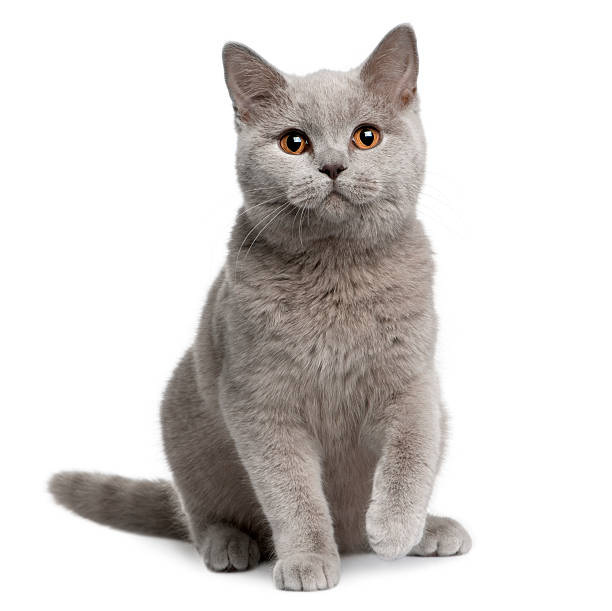
If you’re looking for a cat that combines a teddy-bear appearance with a calm and independent personality, the British Shorthair cat is hard to beat. With its round face, plush coat, sturdy body, and famously relaxed temperament, this British breed has become a favorite among cat lovers around the world.
The British Shorthair is especially recognizable in its classic blue-gray coat, although the breed comes in many colors and patterns. Behind that adorable round face is a confident, intelligent cat that usually enjoys being around people without demanding constant attention.
But is a British Shorthair the right cat for you?
In this complete guide, we’ll cover everything you need to know about the British Shorthair cat, including its personality, appearance, colors, grooming needs, diet, lifespan, health considerations, and what it’s like to live with one.
British Shorthair Cat at a Glance
| Feature | Details |
|---|---|
| Breed | British Shorthair |
| Origin | Great Britain |
| Size | Medium to large |
| Build | Stocky, muscular and compact |
| Coat | Short, dense and plush |
| Personality | Calm, gentle, independent |
| Activity Level | Moderate to low |
| Lifespan | Around 12–20 years, depending on individual circumstances |
| Grooming | Relatively easy |
| Best For | Families, couples, singles and many apartment homes |
TICA describes adult females as generally around 8–11 pounds and males around 10–16 pounds, while noting that individual size can vary. CFA also notes that the breed matures slowly and may take several years to reach full development.
What Is a British Shorthair Cat?
The British Shorthair is one of Britain’s oldest established cat breeds. Its history is associated with domestic cats that accompanied the Romans to Britain, and the modern breed was later developed through selective breeding.
The breed was once strongly associated with the “British Blue” because the blue-gray coat was particularly popular. Today, however, British Shorthairs are available in a wide range of colors and patterns.
Their appearance is one of their biggest attractions. They have broad heads, rounded cheeks, large round eyes, strong bodies, short-to-medium legs, and thick tails with rounded tips.
The overall effect is often compared to a plush teddy bear.
Interestingly, TICA notes that the British Shorthair’s round face and distinctive expression may have influenced popular ideas about Lewis Carroll’s Cheshire Cat.
Also : 5 Best Cat Breeds for Pet Parents Who Want a Loving Companion
Also : 15 Cutest Cat Breeds in the World (2026 Guide) | Personality, Care & More
British Shorthair Appearance
The British Shorthair has a distinctive look that separates it from many other cat breeds.
Its body is compact and powerful rather than long and slender. The chest is broad, the legs are strong, and the paws are rounded.
The head is particularly characteristic. A typical British Shorthair has:
- A broad, rounded head
- Full cheeks
- A firm chin
- Large, round eyes
- Medium-sized ears
- Prominent whisker pads
- A short, broad nose
The coat is short but extremely dense. CFA describes it as having a plush, luxurious texture, while TICA describes it as dense and rich with a firm, resilient feel.
This dense coat contributes significantly to the breed’s teddy-bear appearance.
British Shorthair Cat Colors
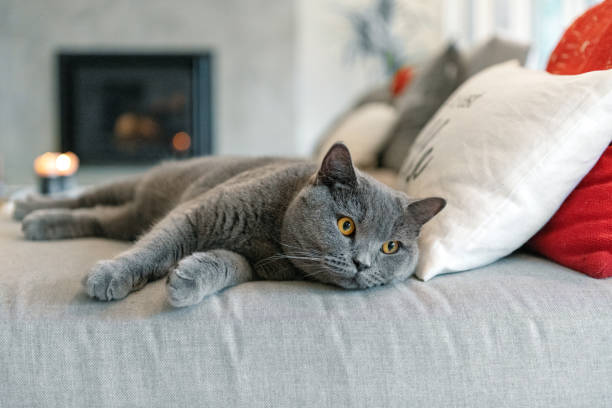
Although blue remains one of the most recognizable British Shorthair colors, the breed isn’t limited to gray.
Depending on the registry and accepted breed standards, British Shorthairs can be found in numerous colors and patterns, including:
- Blue
- Black
- White
- Red
- Cream
- Silver
- Golden
- Tabby patterns
- Tortoiseshell
- Bicolor
- Colorpoint varieties
The classic blue British Shorthair remains particularly popular, but choosing a color is largely a matter of personal preference.
British Shorthair Personality
One of the biggest reasons people fall in love with the British Shorthair is its temperament.
These cats are generally calm, quiet, affectionate, and relatively independent. They enjoy being around their families but usually don’t need constant attention.
Instead of following you around demanding to be picked up, a British Shorthair may simply sit nearby and observe what you’re doing.
CFA describes the breed as calm and quiet, while TICA characterizes it as loyal and affectionate but somewhat reserved.
That makes the breed appealing to people who want companionship without an extremely demanding pet.
Are British Shorthairs Affectionate?
Yes—but they often show affection in their own way.
A British Shorthair may:
- Sit beside you on the couch
- Follow you from room to room
- Sleep near you
- Greet you when you come home
- Sit nearby while you work
- Accept gentle petting
However, many British Shorthairs aren’t classic “carry me everywhere” lap cats.
They often prefer having all four paws on the ground and may choose to sit next to you rather than directly on you. TICA specifically notes this preference for being close to family members without necessarily wanting to be carried.
Are British Shorthair Cats Good Family Pets?
For many households, yes.
Their calm and patient personality can make them a good choice for families, provided children understand how to handle cats respectfully.
British Shorthairs can also adapt well to homes with other pets. CFA notes that they can adjust to dogs and other animals, although every individual cat has its own personality and tolerance level.
Children should be taught not to chase, pull, or forcefully pick up the cat.
A British Shorthair that feels overwhelmed may simply walk away and find a quieter place.
Are British Shorthairs Good Apartment Cats?
A British Shorthair can be a good apartment cat.
They don’t generally need a huge house to stay happy. Their relatively calm nature means they can adapt well to indoor living when their physical and mental needs are met.
However, calm doesn’t mean inactive.
Your cat should still have opportunities to:
- Play
- Climb
- Scratch
- Explore
- Chase toys
- Interact with you
Provide scratching posts, interactive toys, comfortable sleeping areas, and safe places to observe the household.
A window perch can also give an indoor British Shorthair something interesting to watch throughout the day.
British Shorthair Grooming
One advantage of this breed is that grooming is relatively straightforward.
The coat is short, but its exceptional density means the cat can still shed.
A weekly brushing or combing session is usually a practical starting point. During periods of heavier seasonal shedding, you may want to groom more frequently.
Regular grooming can help:
- Remove loose hair
- Reduce shedding around your home
- Keep the coat looking healthy
- Give you an opportunity to check the skin
CFA recommends regular brushing or combing and notes that the breed’s short, resilient coat is comparatively easy to maintain.
Don’t forget the basics either. Regular nail trimming, dental care, and routine ear checks are important parts of responsible cat ownership.
Also : 5 Best Cat Breeds for Pet Parents Who Want a Loving Companion
Also : 15 Cutest Cat Breeds in the World (2026 Guide) | Personality, Care & More
British Shorthair Cat Diet
British Shorthairs are sturdy cats, but their solid build doesn’t mean they should be allowed to become overweight.
Because they tend to be relatively calm, portion control and regular activity are important.
A good diet should provide complete and balanced nutrition appropriate for your cat’s age and life stage.
Kittens have different nutritional requirements from adults, so kitten food should be used during growth according to veterinary guidance.
For adult cats, avoid routinely overfeeding treats or leaving unlimited food available if your cat tends to overeat.
Fresh water should always be available.
If you’re unsure how much your British Shorthair should eat, speak with your veterinarian rather than relying solely on the feeding amount printed on a package.
British Shorthair Exercise and Play
You probably won’t see your British Shorthair performing extreme acrobatics around the house—but they still need exercise.
Interactive play is particularly useful.
Try:
- Wand toys
- Toy mice
- Puzzle feeders
- Balls
- Treat puzzles
- Scratching posts
- Short interactive play sessions
Several short play sessions throughout the day can be more practical than expecting your cat to exercise independently for long periods.
Play also provides mental stimulation, which is important for an intelligent indoor cat.
British Shorthair Health
British Shorthairs are generally considered a robust breed, but no cat breed is completely free from health concerns.
One condition breeders and owners should be aware of is hypertrophic cardiomyopathy (HCM), a form of heart disease that can affect cats.
TICA specifically recommends attention to HCM screening in breeding programs and notes that the disease may not become apparent early in life.
Regular veterinary examinations are therefore important.
Your veterinarian can help monitor:
- Weight
- Heart health
- Teeth and gums
- Vaccination status
- Parasite prevention
- General condition
If you’re buying a British Shorthair kitten from a breeder, ask about health screening and the health history of the parents.
A responsible breeder should be willing to discuss health testing and provide appropriate veterinary records.
How Long Do British Shorthair Cats Live?
TICA gives a general life expectancy range of approximately 12–20 years, depending on the cat’s background and life circumstances.
Genetics, nutrition, preventative veterinary care, weight management, lifestyle, and environment can all influence an individual cat’s lifespan.
Providing a safe indoor environment, appropriate nutrition, regular veterinary care, exercise, and plenty of affection can help support a long and healthy life.
British Shorthair vs. British Blue: What’s the Difference?
This can be confusing for new cat owners.
“British Blue” traditionally refers to the blue-gray color variety of the British Shorthair.
In other words, a British Blue is not necessarily a completely separate breed.
The British Shorthair is the breed, while blue is one of its recognized coat colors.
The breed is now available in many other colors and patterns as well.
Pros and Cons of a British Shorthair
Pros
- Calm and generally easygoing
- Affectionate without being overly demanding
- Distinctive teddy-bear appearance
- Relatively easy coat maintenance
- Can adapt to apartment living
- Often compatible with families
- Generally quiet
- Independent enough to entertain itself for periods
Cons
- Can gain excess weight without proper portion control
- May not enjoy being carried
- Dense coat can shed
- Slow to fully mature
- Responsible owners should pay attention to routine health care
Is a British Shorthair Right for You?
A British Shorthair could be a great match if you want a cat that is calm, affectionate, independent, and relatively easy to groom.
It’s particularly appealing if you prefer a companion that likes being near you without demanding constant physical attention.
However, every cat is an individual.
Some British Shorthairs will be more playful, vocal, or affectionate than others. Their breed tendencies can give you a general idea of what to expect, but they don’t guarantee a particular personality.
Before bringing one home, consider your lifestyle, budget, available space, ability to provide veterinary care, and how much time you can dedicate to your cat.
Frequently Asked Questions
Are British Shorthair cats friendly?
Yes. British Shorthairs are generally friendly, calm, and affectionate, although they can be somewhat reserved around unfamiliar people.
Do British Shorthair cats like to be held?
Not always. Many prefer staying on the floor or sitting beside their owners rather than being carried. Individual preferences vary.
Are British Shorthair cats high maintenance?
Generally, no. Their short coat is relatively easy to groom, although regular brushing, nail care, dental care, and veterinary checkups are still important.
Are British Shorthairs good indoor cats?
Yes. Their calm temperament can make them well suited to indoor living, provided they have appropriate play, scratching, climbing, and enrichment opportunities.
Do British Shorthairs get along with dogs?
Many can adapt well to living with dogs, but successful introductions should be gradual and supervised. Individual personalities matter more than breed alone.
What is the most popular British Shorthair color?
Blue is one of the breed’s most recognizable and popular colors, which is why you may hear the term “British Blue.” The breed itself comes in many other colors and patterns.
How big does a British Shorthair get?
British Shorthairs are medium-to-large cats with a muscular, compact build. Males are generally larger than females, and the breed matures slowly. Exact adult size varies between individuals.
Final Verdict: Is the British Shorthair a Good Cat?
The British Shorthair cat is a wonderful combination of beauty, personality, and easygoing charm.
Its round face and plush coat may be what catches your attention first, but its calm and loyal personality is what makes many owners fall in love with the breed.
These cats generally enjoy being around their families without needing constant attention. They’re relatively easy to groom, can adapt to indoor life, and often do well in family environments when treated with patience and respect.
They’re not necessarily the perfect choice for someone looking for an extremely active or constantly cuddly lap cat. But if you want a relaxed companion that enjoys quietly sharing your home, the British Shorthair deserves a place on your shortlist.
Before choosing any kitten, prioritize responsible breeding, appropriate health screening, veterinary care, and a good match between the cat’s personality and your lifestyle.
After all, the best cat isn’t simply the one with the cutest face—it’s the one that fits happily into your life.