Finding the best dog food for dogs with sensitive stomachs can feel overwhelming, especially when your dog experiences frequent digestive issues like vomiting, diarrhea, gas, or loose stools. The good news is that many dogs improve significantly after switching to a high-quality, easy-to-digest diet.
In this comprehensive guide, you’ll learn what causes sensitive stomachs in dogs, which ingredients support healthy digestion, what to avoid, and how to choose the best dog food for your pet.
What Is a Sensitive Stomach in Dogs?
A sensitive stomach means your dog’s digestive system reacts poorly to certain foods or ingredients. While it isn’t a disease itself, it can be a sign that your dog needs a more suitable diet or veterinary evaluation.
Common symptoms include:
- Vomiting after meals
- Loose stools or diarrhea
- Excessive gas
- Stomach gurgling
- Poor appetite
- Constipation in some dogs
- Frequent digestive upset
If symptoms are severe or persistent, consult your veterinarian to rule out infections, parasites, pancreatitis, or other medical conditions.
Why Choosing the Best Dog Food for Dogs with Sensitive Stomachs Matters
Your dog’s digestive system affects far more than bowel movements. A healthy gut supports:
- Better nutrient absorption
- Strong immune function
- Healthy skin and coat
- Consistent energy levels
- Improved overall wellness
Choosing the best dog food for dogs with sensitive stomachs helps reduce digestive discomfort while providing complete and balanced nutrition.
Dog Food Recipe: Best Ebook Homemade Food Without Secrets
Common Causes of Sensitive Stomachs
Several factors can contribute to digestive problems.
Food Intolerance
Some dogs struggle to digest certain ingredients without having a true food allergy.
Food Allergies
Although less common, food allergies can trigger digestive upset and skin irritation.
Low-Quality Ingredients
Artificial additives, fillers, and poorly digestible proteins may upset your dog’s stomach.
Sudden Diet Changes
Switching food too quickly often causes temporary digestive problems.
High-Fat Foods
Excess fat can be difficult to digest, especially for sensitive dogs.
Stress
Travel, boarding, or major routine changes can affect digestion.
Also Read ; Best Dog Food for Overweight Dogs: A Complete Guide to Healthy Weight Loss
Also Read : When to Switch from Puppy to Adult Dog Food (US Breed Size Guide)
What to Look for in the Best Dog Food for Dogs with Sensitive Stomachs
High-Quality Protein
Look for real meat as the first ingredient.
Good protein choices include:
- Salmon
- Turkey
- Lamb
- Duck
These proteins are often easier for sensitive dogs to digest.
Easily Digestible Carbohydrates
Healthy carbohydrate sources include:
- Brown rice
- Oatmeal
- Sweet potatoes
- Pumpkin
These ingredients provide energy while supporting digestive health.
Added Probiotics
Probiotics help maintain healthy gut bacteria and improve digestion.
Look for labels mentioning live probiotic cultures or digestive support.
Prebiotic Fiber
Prebiotics feed beneficial bacteria already living in your dog’s digestive tract.
Common prebiotic ingredients include:
- Chicory root
- Inulin
- Beet pulp
Omega-3 Fatty Acids
Fish oil and flaxseed help reduce inflammation while supporting healthy skin and coat.
Ingredients to Avoid
Avoid dog foods containing:
- Artificial preservatives
- Artificial colors
- Artificial flavors
- Excessive fillers
- Generic meat by-products
- Too much fat
- Large amounts of corn syrup or sugar
Higher-quality ingredients usually lead to better digestion.
Also Read ; Best Dog Food for Overweight Dogs: A Complete Guide to Healthy Weight Loss
Also Read : When to Switch from Puppy to Adult Dog Food (US Breed Size Guide)
Best Types of Dog Food for Sensitive Stomachs
Dry Dog Food
Premium kibble designed for sensitive digestion offers balanced nutrition and convenience.
Wet Dog Food
Wet food contains more moisture and may be easier for some dogs to digest.
Limited Ingredient Diets
Limited ingredient recipes reduce unnecessary ingredients that could trigger digestive upset.
Fresh Dog Food
Fresh, gently cooked meals often contain highly digestible ingredients with minimal processing.
Veterinary Prescription Diets
Dogs with chronic digestive disorders may benefit from prescription diets recommended by a veterinarian.
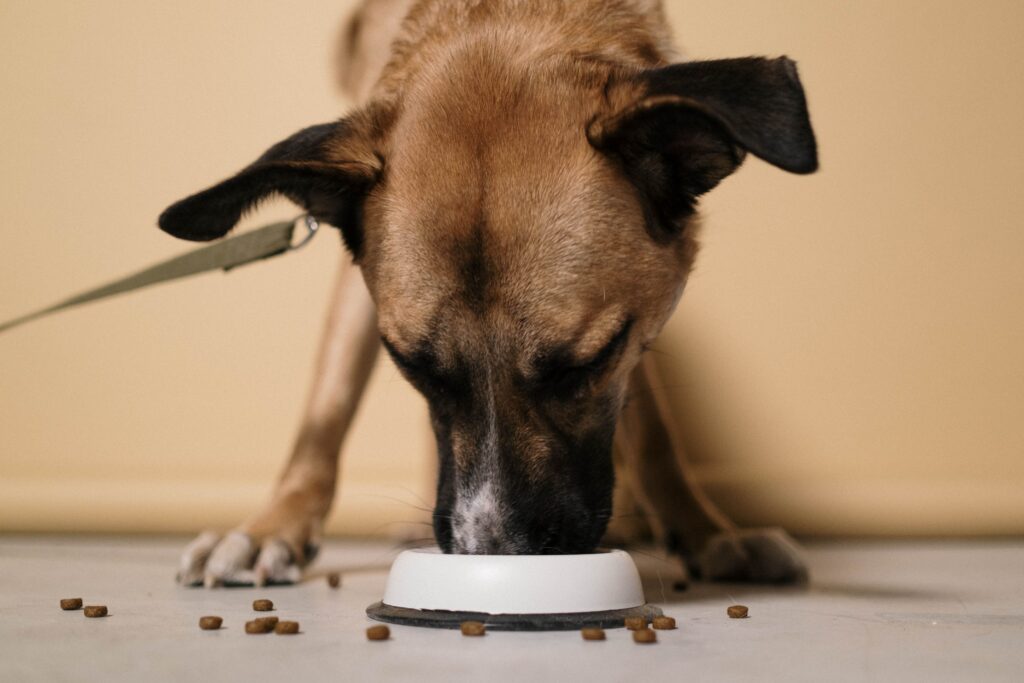
How to Transition to a New Dog Food
Switch foods gradually over 7 to 10 days.
Days 1–2
- 75% old food
- 25% new food
Days 3–4
- 50% old food
- 50% new food
Days 5–6
- 25% old food
- 75% new food
Day 7 and Beyond
- 100% new food
Slow transitions help reduce digestive upset.
Extra Tips for Dogs With Sensitive Stomachs
To keep your dog’s digestive system healthy:
- Feed meals on a regular schedule.
- Avoid table scraps.
- Limit treats.
- Provide fresh water daily.
- Avoid frequent food changes.
- Exercise regularly.
- Schedule routine veterinary checkups.
Frequently Asked Questions
What is the best dog food for dogs with sensitive stomachs?
The best dog food contains highly digestible proteins, moderate fat, probiotics, prebiotic fiber, and high-quality ingredients without unnecessary fillers or artificial additives.
Is grain-free dog food better?
Not always. Many dogs digest rice and oatmeal very well. Grain-free diets are only appropriate for dogs with specific dietary needs.
Can probiotics help?
Yes. Probiotics support healthy gut bacteria and may improve digestion in many dogs.
How long does it take to see improvement?
Most dogs begin showing improvement within one to three weeks after switching to an appropriate diet.
Final Thoughts
Choosing the best dog food for dogs with sensitive stomachs can greatly improve your dog’s comfort, digestion, and overall quality of life. Focus on high-quality ingredients, digestible proteins, healthy fiber, and gradual food transitions.
Every dog is unique, so monitor your pet’s response after changing diets. If digestive problems continue, consult your veterinarian for a proper diagnosis and personalized nutrition plan.
With the right food and consistent care, your dog can enjoy a healthier digestive system, more energy, and a happier life.