Introduction
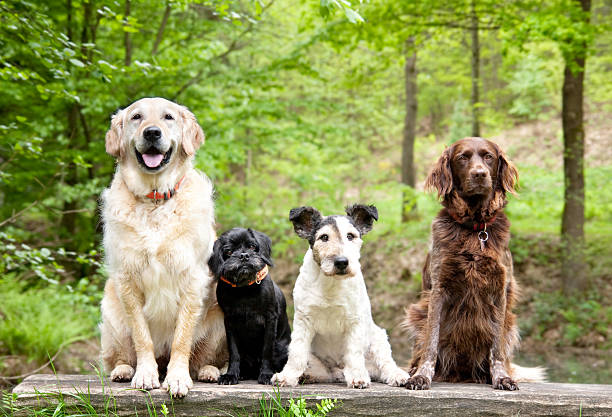
The most friendly dog breeds are Labrador Retrievers, Golden Retrievers, Cavalier King Charles Spaniels, Beagles, and Poodles. These dogs are known for their affectionate personalities, trainability, and ability to get along with children, strangers, and other pets.
Choosing a dog is about much more than appearance. The right breed can become your best friend for the next 10 to 15 years, while the wrong match can create frustration for both you and your pet. As someone who has spent years around dogs of different breeds, I’ve seen how a dog’s temperament can completely shape a family’s experience.
A friendly dog can make visitors feel welcome, become a trusted companion for children, and bring comfort during difficult times. However, friendliness isn’t determined by breed alone. Training, socialization, exercise, and environment all play important roles.
In this guide, you’ll discover the friendliest dog breeds, their strengths and challenges, average ownership costs, health concerns, and practical tips to help you choose the perfect companion for your lifestyle.
Table of Contents
- What Makes a Dog Friendly?
- How to Choose the Right Friendly Dog
- Comparison Table of Friendly Dog Breeds
- Labrador Retriever
- Golden Retriever
- Cavalier King Charles Spaniel
- Beagle
- Poodle
- Boxer
- Real-Life Owner Scenarios
- Common Mistakes New Dog Owners Make
- Conclusion
- FAQs
What Makes a Friendly dog Breeds ?
Many people assume friendliness is something a dog is born with. While genetics certainly influence temperament, a dog’s environment plays a major role too.
Friendly dogs typically display these traits:
- Enjoy being around people
- Adapt well to new situations
- Show low levels of aggression
- Get along with children
- Tolerate strangers well
- Respond positively to training
For example, a Labrador Retriever that receives proper socialization as a puppy will usually become an outgoing and confident adult. On the other hand, even naturally friendly breeds can become fearful if they rarely interact with people or other dogs.
The 4 Factors That Influence Friendliness
1. Genetics
Some breeds were developed specifically to work closely with humans. This naturally made them more social and cooperative.
2. Socialization
Puppies exposed to different people, sounds, environments, and animals are more likely to become confident adults.
3. Training
Positive reinforcement training helps dogs understand appropriate behavior.
4. Daily Lifestyle
Exercise, mental stimulation, and companionship significantly affect behavior.
How to Choose the Right Friendly Dog Breeds
A common mistake many people make is choosing a dog based on looks alone.
Instead, ask yourself:
Do I Have Children?
Families with young kids often do best with:
- Labrador Retriever
- Golden Retriever
- Newfoundland
Do I Live in an Apartment?
Smaller breeds may be a better fit:
- Cavalier King Charles Spaniel
- Havanese
- Boston Terrier
Am I a First-Time Owner?
Look for breeds known for trainability:
- Labrador Retriever
- Golden Retriever
- Poodle
Am I Retired or a Senior?
Lower-energy breeds can be easier to manage:
- Cavalier King Charles Spaniel
- Bichon Frise
- Havanese
Matching a dog’s needs to your lifestyle often matters more than choosing the “best” breed.
Friendly Dog Breeds Comparison Table
| Breed | Size | Lifespan | Energy Level | Trainability | Kid Friendly | Apartment Friendly | Monthly Cost |
|---|---|---|---|---|---|---|---|
| Labrador Retriever | Large | 10–12 Years | High | Excellent | Excellent | Moderate | $100-$250 |
| Golden Retriever | Large | 10–12 Years | High | Excellent | Excellent | Moderate | $100-$250 |
| Cavalier King Charles Spaniel | Small | 12–15 Years | Moderate | Very Good | Good | Excellent | $70-$180 |
| Beagle | Medium | 12–15 Years | High | Good | Very Good | Good | $80-$200 |
| Poodle | Various | 10–18 Years | Moderate | Excellent | Very Good | Excellent | $100-$300 |
| Boxer | Large | 10–12 Years | High | Good | Very Good | Moderate | $100-$250 |
1. Labrador Retriever

For decades, the Labrador Retriever has remained one of the most popular family dogs in the United States, Canada, and the United Kingdom.
Originally bred to assist fishermen in Newfoundland, Labs eventually became trusted hunting companions and family pets.
Key Facts
- Lifespan: 10–12 years
- Weight: 55–80 pounds
- Energy Level: High
- Trainability: Excellent
Temperament
Labs are outgoing, affectionate, and eager to please. They generally love people and often greet strangers enthusiastically.
One Labrador owner once joked that her dog would happily help a burglar carry out the television if it meant making a new friend.
Pros
- Excellent family dog
- Great with children
- Easy to train
- Friendly with visitors
Cons
- Heavy shedding
- Needs significant exercise
- Can become destructive when bored
Health Concerns
Common issues include:
- Hip dysplasia
- Elbow dysplasia
- Obesity
- Ear infections
Best For
- Active families
- First-time owners
- Households with children
2. Golden Retriever

Golden Retrievers are often considered the gold standard for family-friendly dogs.
Originally developed in Scotland during the 1800s, these dogs were bred to retrieve game while remaining gentle around people.
Key Facts
- Lifespan: 10–12 years
- Weight: 55–75 pounds
- Energy Level: High
- Trainability: Excellent
Temperament
Golden Retrievers are patient, loving, and highly intelligent.
Their emotional awareness makes them excellent therapy and service dogs.
Pros
- Extremely affectionate
- Patient with children
- Highly trainable
- Social personality
Cons
- Heavy shedding
- Requires regular grooming
- Needs daily exercise
Health Concerns
Potential health issues include:
- Hip dysplasia
- Cancer
- Heart disease
Best For
- Families with kids
- Active individuals
- Therapy work
3. Cavalier King Charles Spaniel

Don’t let their small size fool you.
These dogs have some of the biggest hearts in the canine world.
Originally favored by European royalty, the Cavalier King Charles Spaniel was bred primarily as a companion dog.
Key Facts
- Lifespan: 12–15 years
- Weight: 13–18 pounds
- Energy Level: Moderate
- Trainability: Very Good
Temperament
Cavaliers thrive on human companionship and often follow their owners from room to room.
Many owners describe them as “velcro dogs.”
Pros
- Excellent apartment dog
- Friendly with strangers
- Affectionate personality
- Adaptable lifestyle
Cons
- Can develop separation anxiety
- Requires regular grooming
- Doesn’t enjoy being left alone
Health Concerns
- Heart disease
- Eye conditions
- Ear infections
Best For
- Seniors
- Apartment dwellers
- First-time owners
4. Beagle

Beagles are known for their cheerful personality and endless curiosity.
Originally bred as scent hounds, they have incredible noses and a strong desire to explore.
Key Facts
- Lifespan: 12–15 years
- Weight: 20–30 pounds
- Energy Level: High
- Trainability: Good
Temperament
Beagles tend to be social and friendly with both people and dogs.
They usually enjoy family activities and make excellent companions for children.
Pros
- Friendly personality
- Good with kids
- Social nature
- Moderate size
Cons
- Can be stubborn
- Strong prey drive
- Tendency to howl
Health Concerns
- Ear infections
- Obesity
- Hip dysplasia
Best For
- Families
- Active owners
- Multi-pet households
5. Poodle

Poodles are often underestimated because of their elegant appearance. However, they were originally bred as water retrievers and are among the most intelligent dog breeds in the world.
They come in three sizes:
- Standard Poodle
- Miniature Poodle
- Toy Poodle
Key Facts
- Lifespan: 10–18 years
- Weight: 4–70 pounds (depending on size)
- Energy Level: Moderate to High
- Trainability: Excellent
Temperament
Poodles are friendly, alert, and eager to learn. They often form strong bonds with their families and enjoy participating in activities.
Pros
- Extremely intelligent
- Easy to train
- Low-shedding coat
- Good with children
Cons
- Requires regular grooming
- Can become bored without mental stimulation
- May develop separation anxiety
Health Concerns
- Hip dysplasia
- Eye disorders
- Ear infections
Best For
- Families
- Allergy-sensitive households
- First-time owners
Also Read : Spanish Mastiff Dog Breed: Size, Temperament, and Care Guide
6. Boxer
Boxers are playful, energetic, and surprisingly gentle around children.
Originally developed in Germany, they were working dogs but quickly became popular family companions.
Key Facts
- Lifespan: 10–12 years
- Weight: 50–80 pounds
- Energy Level: High
- Trainability: Good
Temperament
Boxers are affectionate and protective without being overly aggressive.
Many Boxer owners describe them as “eternal puppies” because of their playful behavior.
Pros
- Loyal family dog
- Great with children
- Protective nature
- Loves human interaction
Cons
- High energy needs
- Can be stubborn
- Doesn’t tolerate extreme heat well
Health Concerns
- Heart disease
- Cancer
- Hip dysplasia
Best For
- Active families
- Homes with yards
Best Friendly Dog Breeds for Different Lifestyles
Best Friendly Dog Breeds for Families with Kids
If you have children, safety and patience are important.
Top choices:
- Labrador Retriever
- Golden Retriever
- Boxer
- Newfoundland
- Beagle
These breeds generally tolerate noise, playtime, and the unpredictable behavior of young children.
Best Friendly Dog Breeds for Apartment Living
Living in an apartment doesn’t mean you can’t own a dog.
Great options include:
- Cavalier King Charles Spaniel
- Toy Poodle
- Havanese
- Boston Terrier
- Bichon Frise
These breeds usually require less space and adapt well to indoor living.
Best Friendly Dog Breeds for First-Time Owners
New dog owners often benefit from breeds that are easier to train.
Recommended breeds:
- Labrador Retriever
- Golden Retriever
- Poodle
- Cavalier King Charles Spaniel
These dogs typically respond well to training and are forgiving of beginner mistakes.
Best Friendly Dog Breeds for Seniors
Retirees often prefer lower-maintenance companions.
Excellent choices include:
- Cavalier King Charles Spaniel
- Bichon Frise
- Havanese
- Toy Poodle
These breeds provide companionship without requiring intense exercise.
Real-Life Pet Owner Scenarios
Scenario 1: Family With Young Children
A family with two children under age 10 often needs a patient and reliable dog.
A Golden Retriever is usually an excellent choice because:
- They’re gentle
- Easy to train
- Patient around kids
- Love family activities
Scenario 2: First-Time Dog Owner
Imagine a young couple buying their first home.
A Labrador Retriever can be ideal because:
- Training is straightforward
- Temperament is predictable
- Social personality helps reduce behavioral issues
Scenario 3: Apartment Dweller
Living in a downtown apartment requires a dog that adapts to limited space.
A Cavalier King Charles Spaniel often excels because:
- Moderate exercise needs
- Quiet personality
- Strong desire for companionship
Scenario 4: Senior Pet Owner
Many seniors want companionship without excessive physical demands.
A Havanese or Cavalier can provide affection, emotional support, and manageable care requirements.
Expert Tips for Raising a Friendly Dog
Even the friendliest breed needs proper guidance.
1. Socialize Early
Expose puppies to:
- Different people
- Other dogs
- New environments
- Household sounds
Positive experiences build confidence.
2. Use Positive Reinforcement
Reward desired behaviors with:
- Treats
- Praise
- Toys
Dogs learn faster when training feels rewarding.
3. Prioritize Exercise
A tired dog is often a well-behaved dog.
Most behavioral problems stem from boredom rather than bad temperament.
4. Create Consistent Rules
Dogs thrive when expectations remain clear.
Consistency helps prevent confusion and unwanted habits.
Common Mistakes New Dog Owners Make
Choosing Based Only on Appearance
A beautiful dog may not fit your lifestyle.
Always research temperament first.
Ignoring Energy Levels
High-energy breeds require daily exercise.
Without enough activity, they may:
- Bark excessively
- Chew furniture
- Develop anxiety
Skipping Puppy Training
Many owners wait too long before training.
Start teaching basic commands immediately.
Underestimating Costs
Dog ownership includes:
- Food
- Veterinary care
- Grooming
- Training
- Insurance
- Emergency expenses
Budgeting ahead helps prevent surprises.
Cost-Saving Tips for Dog Owners
Responsible ownership doesn’t have to break the bank.
Smart Ways to Save Money
- Purchase quality food rather than cheap fillers
- Maintain routine vet checkups
- Brush teeth regularly
- Invest in preventive care
- Train your dog at home using positive reinforcement
Preventive care often costs far less than treating serious health issues later.
Conclusion
Choosing among the many friendly dog breeds isn’t about finding the perfect dog—it’s about finding the perfect dog for your lifestyle.
For families, Labrador Retrievers and Golden Retrievers remain top choices because of their patience and trainability. Apartment dwellers often thrive with Cavalier King Charles Spaniels or Toy Poodles. Seniors may appreciate the companionship of a Havanese or Bichon Frise.
Remember that breed is only one piece of the puzzle. Proper socialization, training, exercise, and consistent care play a huge role in shaping a dog’s personality.
When you combine a naturally friendly breed with responsible ownership, you create the foundation for a happy relationship that can last more than a decade.
The best dog is one that fits your home, your schedule, and your family’s needs.
Frequently Asked Questions
What is the friendliest dog breed overall?
Labrador Retrievers and Golden Retrievers are often considered the friendliest dog breeds due to their affectionate and social nature.
Which friendly dog breed is best for families?
Golden Retrievers, Labrador Retrievers, and Newfoundlands are excellent family dogs because they are patient and reliable around children.
Are small dog breeds friendly?
Yes. Breeds like the Cavalier King Charles Spaniel, Havanese, and Bichon Frise are known for being extremely friendly and affectionate.
What is the easiest friendly dog breed to train?
Poodles, Labrador Retrievers, and Golden Retrievers are among the easiest friendly breeds to train.
Can friendly dogs also be protective?
Yes. Breeds like Boxers and Labrador Retrievers can be protective while remaining friendly and social.
How much does it cost to own a friendly dog?
Most dog owners spend between $70 and $300 per month depending on breed size, food quality, grooming needs, and healthcare costs.
Does socialization matter even for friendly breeds?
Absolutely. Proper socialization helps friendly breeds become confident, well-behaved, and comfortable around people and other animals.