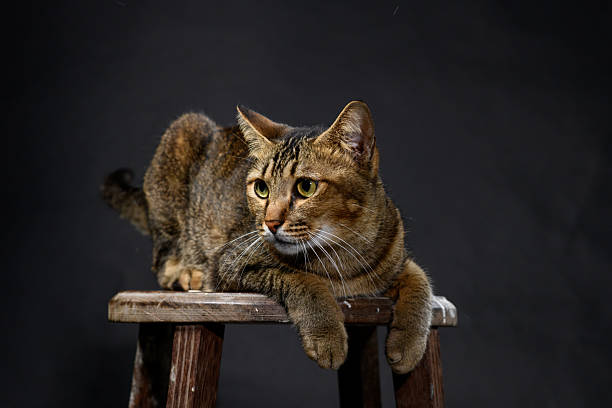
While often mistaken for a breed, the term ‘tabby Cat‘ actually describes a specific genetic coat pattern found across many different feline lineages, including the Maine Coon and Abyssinian. This pattern is defined by a signature ‘M‘ on the forehead and a variety of markings such as stripes, spots, or whorls in shades of black, gray, orange, or brown. Interestingly, the tabby gene is present in all domestic cats, even solid-colored ones, though it may only be visible as faint ‘ghost stripes’ in certain lighting.
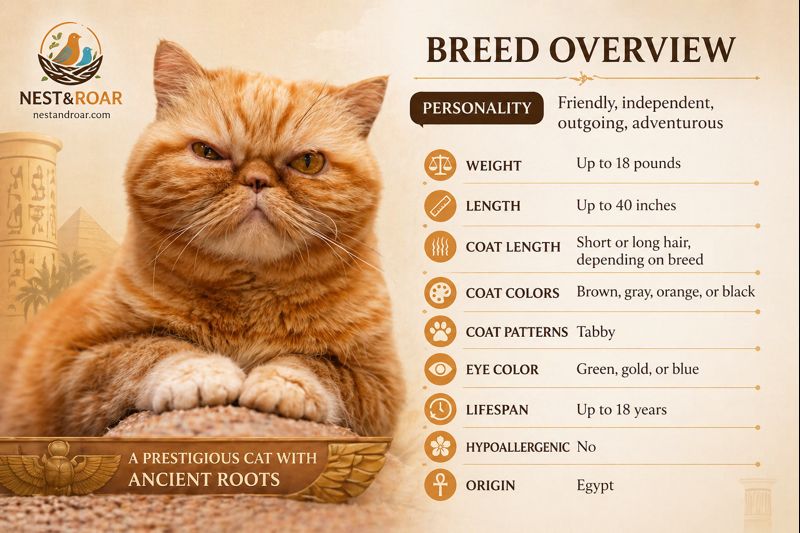
Key Additional Facts Included:
- The “M” Legend: The signature mark on their foreheads is steeped in folklore; some say it stands for “Mau,” the Ancient Egyptian word for cat.
- Genetic Roots: Almost all domestic cats carry the tabby gene, a trait inherited from their wild ancestors like the African wildcat (
).
- Pattern Variety: There are five officially recognized tabby patterns: Classic (swirls), Mackerel (stripes), Spotted, Ticked (banded hairs), and Patched (tabby mixed with other colors like tortoiseshell).
- Orange Cat Secret: Nearly all orange cats are tabbies, and approximately 80% of them are male due to the way the orange gene is inherited on the X chromosome.
- Historical Name: The word “tabby” is believed to be derived from a type of striped silk called “Atabi,” which originated in the Attabiy district of Baghdad
Tabby Cat Characteristics
It is no shock that the tabby pattern is the most widespread in the feline world; the genetic blueprint for these markings actually exists within the DNA of every domestic cat. Even a solid black cat can reveal “ghost stripes” when basking in direct sunlight, proving that the tabby lineage is always lurking beneath the surface. Because “tabby” refers to a coat rather than a specific breed, these cats can range from the massive, fluffy Maine Coon—the gentle giant of the cat world—to the petite Singapura, which often weighs as little as four pounds.
While their physical diversity is vast, many enthusiasts claim that tabbies share a “quintessential” personality: they are frequently described as vocal, adventurous, and deeply bonded to their human companions. However, a cat’s true nature is a complex puzzle; while genetics provide a baseline, their individual temperament is heavily shaped by early socialization, environmental enrichment, and their unique history with people. Whether they are a bold “mackerel” striped explorer or a shy “classic” marbled lap cat, their personality is as unique as the intricate patterns on their fur.
| Affection Level | High |
| Friendliness | High |
| Kid-Friendly | High |
| Exercise Needs | Medium |
| Pet-Friendly | High |
| Playfulness | Medium |
| Energy Level | Medium |
| Intelligence | Medium |
| Tendency to Vocalize | Medium |
| Amount of Shedding | Medium |
History of the Tabby Cat
Tracing the history of the tabby Cat is a complex task because the pattern is woven into the DNA of countless breeds, each boasting its own unique heritage and geographic roots. Many historians believe the lineage began with the African wildcat, which was domesticated in Ancient Egypt and gave rise to the Mau. This ancient connection is still visible today in the modern Egyptian Mau, a breed that continues to display those primitive, beautiful markings.
The most iconic hallmark of this lineage is the mysterious “M” shape etched onto their foreheads—a feature seen in the Mau and nearly every other tabby across the globe. This striking look has graced the homes of some of history’s most notable figures, including:
- Delilah: Freddie Mercury’s favorite companion, who was so beloved she inspired a Queen song in her honor.
- Tabby: The trailblazer who became the very first feline to live in the White House under President Abraham Lincoln.
- Orangey: The legendary animal actor and bright orange tabby who stole scenes in the classic film Breakfast at Tiffany’s.
Tabby Cat Care
Because “tabby Cat ” refers only to a coat pattern and not a specific breed, your cat’s daily care will be shaped primarily by their genetic lineage. While their stripes or spots are distinctive, their activity levels and health requirements are determined by their actual breed
On a day-to-day basis, most tabbies thrive on a standard feline wellness routine, which includes high-quality nutrition, dental hygiene, and a safe environment. To ensure they are truly thriving, it is best to consult your veterinarian; they can help you develop a personalized plan that covers everything from specific grooming tools for their fur type to mental stimulation and weight management.
Exercise
To keep your tabby cat happy and healthy, it is essential to provide daily outlets for their natural energy through both independent play and dedicated bonding time. A variety of engaging toys will keep them occupied, but your personal interaction is what truly ensures they receive the social attention they crave.
Enhancing your tabby cat’s environment with scratching posts, window perches, and multi-level cat trees is equally important, as these tools allow for vital stretching, climbing, and lounging. This physical stimulation prevents boredom and helps maintain their overall fitness. However, keep in mind that the specific breed of your tabby cat—such as a high-energy Ocicat versus a more relaxed Persian—will ultimately dictate just how much space and intense activity they require.
Shedding
The amount of fur a cat loses varies significantly across different breeds, with some shedding heavily year-round and others maintaining a nearly shed-free coat regardless of the month. Despite these breed-specific differences, most cats experience a noticeable spike in hair loss during the transitional seasons of spring and autumn.
Grooming
The maintenance routine for a tabby cat is largely dictated by their specific breed; for example, the long, thick coat of a Maine Coon tabby demands far more frequent brushing and hairball prevention than the shorter coat of a Manx tabby.
No matter the breed, establishing a consistent grooming schedule is vital for stripping away loose fur and avoiding painful tangles. Beyond coat care, a complete wellness regimen should include regular nail trims, dental cleanings several times a week, and occasional ear checks to ensure your cat stays in peak condition.
Common Health Problems
While a mixed-breed tabby cat often benefits from a sturdy and resilient constitution, many purebred varieties are predisposed to specific genetic health issues that necessitate specialized attention. It is always wise to consult your veterinarian if you notice anything unusual or have concerns regarding your pet’s well-being.
As cats age, they become more susceptible to a range of medical issues; below are several common conditions that can impact any feline, including those with tabby markings:
- Diabetes: This metabolic disorder leads to high blood sugar when the body fails to process insulin correctly; however, it can be effectively controlled with a veterinarian’s guidance.
- Kidney Disease: This is a broad category for issues that impair renal function, typically signaled by increased thirst and urination, weight loss, nausea, or a lack of appetite.
- Heart Disease: Cats can suffer from various cardiac conditions, such as hypertrophic or dilated cardiomyopathy. Since feline heart issues are often asymptomatic, routine veterinary checkups are crucial for early detection.
- Hyperthyroidism: Caused by an overactive thyroid gland producing too much hormone, this condition often manifests as sudden weight loss and hyperactivity, alongside an increase in eating and drinking.
Related : Cat Feeding Guide 2026: How Much to Feed Cats (Vet Approved USA Guide)
Appearance
Tabby cats exhibit a vast spectrum of physical builds, ranging from tiny and delicate to large and heavy-set. Their visual diversity is just as broad, with significant variety found even within their signature coat markings.
Genetically speaking, there are five primary, distinct patterns that define the tabby look:
- Classic: Characterized by bold, swirling patterns that often form a “bullseye” or target shape on the cat’s flanks. This look is frequently seen in American Shorthairs.
- Mackerel (Striped): As the most widespread pattern, this style features narrow parallel stripes—similar to a fish skeleton—along the body, “necklace” bands around the chest, and ringed markings on the legs and tail. They also typically sport two rows of dark “vest button” spots on their bellies.
- Spotted: This variation replaces traditional stripes with distinct spots of varying sizes. While common in breeds like the Ocicat and American Bobtail, it can also appear in many mixed-breed cats.
- Ticked: Rather than having clear stripes or spots, these cats have “agouti” hairs, where each individual strand contains multiple bands of color. This creates a shimmering, salt-and-pepper effect that glows in the light.
- Patched: This occurs when tabby markings show up in patches on tortoiseshell or calico coats. These unique combinations are often affectionately called “torbies” or “calibies.”
Diet and Nutrition
Providing your tabby cat with high-quality dry kibble, nutrient-rich canned food, or a combination of both is typically an excellent foundation for their daily diet, regardless of their specific breed. However, since nutritional needs can vary significantly based on genetics, it is vital to research your cat’s breed lineage to identify any specialized dietary requirements. Consulting your veterinarian is the best way to tailor a meal plan that supports their unique metabolism and life stage.
To keep your tabby cat in peak physical condition, you must carefully measure and monitor their daily caloric intake. Overfeeding can quickly lead to feline obesity, which increases the risk of serious complications like joint strain and diabetes. By staying vigilant with portion control and healthy treats, you ensure your cat remains active, agile, and healthy throughout their life.
Where to Adopt or Buy a Tabby Cat
Because tabby markings are incredibly prevalent within the feline community, you can often find your new companion quite easily by visiting a local animal shelter or rescue organization, where both kittens and mature cats are frequently available for adoption.
If you have your heart set on a specific pedigree that features tabby patterns, your best approach is to reach out to reputable breeders in your area to inquire about their upcoming litters and the availability of kittens with those specific markings.
Here are resources to adopt a tabby cat:
To find a reputable cat breeder, use resources like:
More Cat Breeds and Further Research
If you’re interested in similar breeds, check out:
FAQ
- Is “Tabby” actually a breed of cat?
No, “tabby” is not a specific breed. It refers strictly to a coat pattern characterized by stripes, swirls, or spots. Many different pedigreed breeds, such as the Maine Coon and American Shorthair, as well as mixed-breed domestic cats, can be tabbies. - Do all tabby cats have the same personality?
Because a tabby can belong to any number of breeds, their personalities vary significantly. While many owners describe them as friendly, social, and intelligent, these traits are more likely influenced by their specific breed genetics and early socialization rather than their coat pattern. - What are the most common tabby patterns found in different breeds?
There are five primary patterns recognized: Classic (swirls), Mackerel (vertical tiger-like stripes), Spotted, Ticked (banded individual hairs), and Patched. For example, the Abyssinian is famous for the ticked pattern, while the Ocicat typically displays a spotted pattern. - Does a tabby cat’s breed affect its health risks?
Yes. Tabby cats do not have health issues tied specifically to their fur pattern, but they may inherit risks associated with their lineage. For instance, purebred tabby variants might be predisposed to genetic conditions like heart disease or kidney issues, whereas mixed-breed “moggie” tabbies are often valued for their robust health. - What does the “M” on a tabby’s forehead signify?
The distinctive “M” is a signature marking found on nearly all cats with a tabby pattern. While various myths associate it with religious figures or the Ancient Egyptian word for cat (“Mau”), it is actually a genetically determined part of the tabby pattern that likely aided their ancestors with camouflage. - Do tabby cats require special grooming?
Grooming needs depend entirely on the coat length of the specific breed. A short-haired Domestic Shorthair tabby may only need weekly brushing, while a long-haired Maine Coon tabby will require more frequent sessions to prevent matting and manage seasonal shedding.