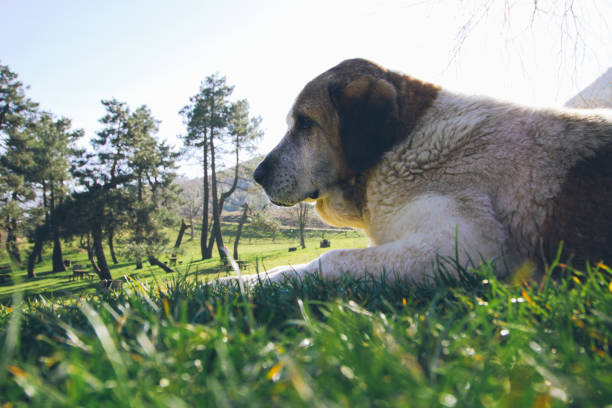
The Spanish Mastiff is a formidable working breed hailing from Spain, characterized by a dense, short coat available in many colors. Originally developed for protection, this dog’s massive stature creates an imposing presence, yet it maintains a powerful and balanced physique. Distinctive features include a broad head with almond eyes, triangular ears, and loose neck skin designed to shield vital areas from injury. While they are affectionately known as “gentle giants” within their families, these dogs require an experienced hand in socialization and training to manage their natural protective instincts and prevent aggression.
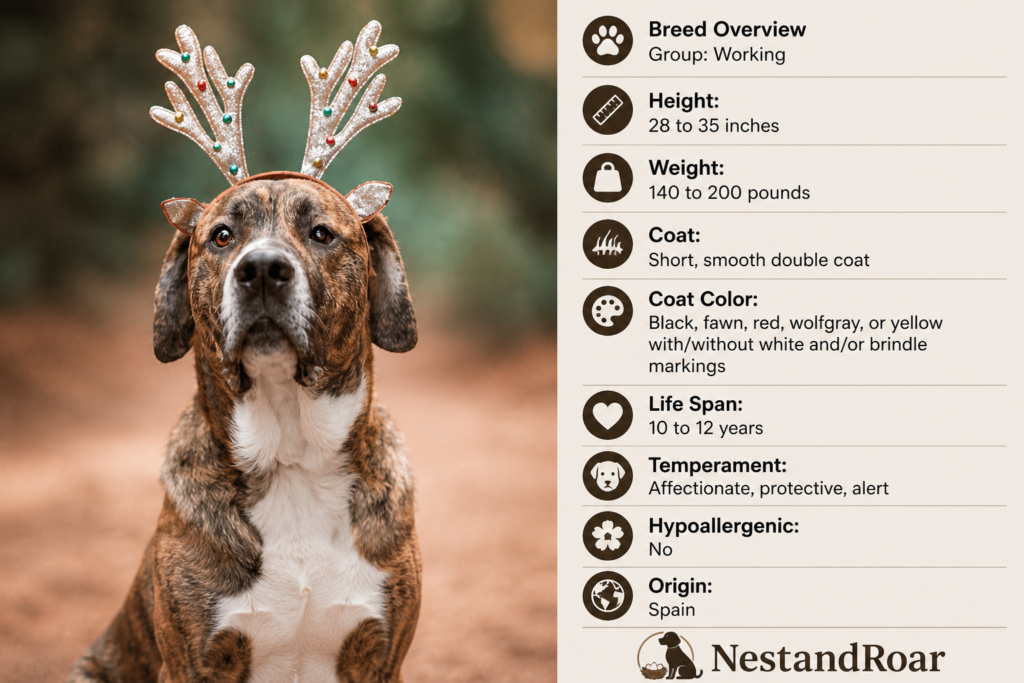
Characteristics of the Spanish Mastiff
While typically calm and devoted to their households, Spanish Mastiffs possess a naturally watchful spirit that makes them cautious around unfamiliar people and other canines. They aren’t prone to needless noise, yet they won’t hesitate to utilize their booming, resonant bark to signal a potential intrusion or threat. Beyond these traits, their temperament is defined by a fierce loyalty; they often act as silent observers of their surroundings, only intervening when they feel their “flock” is in danger. This combination of a relaxed indoor demeanor and a high-alert guarding instinct makes them the ultimate protector for a spacious, rural home .
| Affection Level | High |
| Friendliness | Medium |
| Kid-Friendly | Medium |
| Pet-Friendly | Medium |
| Exercise Needs | Medium |
| Playfulness | Low |
| Energy Level | Medium |
| Trainability | Medium |
| Intelligence | Medium |
| Tendency to Bark | Low |
| Amount of Shedding | Medium |
History of the Spanish Mastiff
With a history stretching back over two millennia on the Iberian Peninsula, the Spanish Mastiff is an ancient breed whose precise beginnings remain a mystery. Historically, these dogs served as vital protectors, tasked with shielding livestock from predators like wolves. Their importance skyrocketed around the 10th century when sheep farming became the backbone of Spain’s economy, making the Mastiff’s immense strength, size, and vigilant personality indispensable to shepherds.
Despite this long heritage, a formal breed standard wasn’t established until the 20th century. Today, the Spanish Mastiff is still considered a rare find, particularly beyond Spanish borders. Recognizing the need to preserve the breed, the American Kennel Club added it to the Foundation Stock Service in 2008, a crucial step in monitoring and maintaining its global population.
Spanish Mastiff Care
While the Spanish Mastiff is known for its low-key and mellow energy levels, it still requires a fair amount of daily activity and ample space to stretch its massive limbs. Maintaining their coat is relatively simple thanks to their short fur, but their education is where the real work begins; consistent training and early socialization are vital to molding them into well-adjusted, polite companions.
Beyond these basics, it’s important to note that their exercise should be low-impact, especially during their long puppyhood, to protect their developing joints from the strain of their heavy frames. While grooming is “straightforward,” you should expect moderate shedding and keep a towel handy for occasional drool. Most importantly, because of their independent streak and sheer power, training should be a lifelong commitment that focuses on positive reinforcement rather than force, helping to build a bond of trust and respect between the giant and its owner.
Exercise
Aim to provide your dog with a minimum of sixty minutes of daily exercise to keep them healthy and engaged. Traditional outings like long walks or scenic hikes are fantastic options, but high-energy games of fetch can also burn off steam effectively. Beyond physical exertion, it is equally important to nourish their mind; incorporating interactive puzzle toys or scent-work games can provide the mental stimulation necessary to prevent boredom and destructive behaviours .
For a dog of this stature, having the freedom to sprint off-leash within a safely enclosed space is highly beneficial for their well-being. This allows them to stretch their legs and explore at their own pace. However, keep in mind that this breed can be selective or reactive toward other canines. For this reason, public dog parks are often best avoided to prevent stressful encounters, making a private, fenced-in yard the superior choice for their daily romp .
Grooming
To maintain your dog’s hygiene and comfort, establish a routine of brushing their coat at least once a week to clear away debris and loose hair. Be prepared for “blowing coat” seasons in the spring and autumn; during these times, daily brushing is often necessary to manage the increased volume of fur. Monthly baths are generally sufficient to keep them smelling fresh, though you may need to adjust this frequency if your dog is particularly active outdoors. For breeds like the Spanish Mastiff, it is essential to keep a “slobber towel” handy to manage their frequent drooling and to regularly clean and dry their skin folds to prevent moisture-related irritation.
In addition to coat care, holistic grooming includes several other key tasks:
- Nail Maintenance: Aim to trim your dog’s claws roughly every four weeks. If you can hear their nails clicking on hard floors, it is definitely time for a clip to ensure their walking posture remains healthy.
- Ear Inspections: Conduct weekly checks of their ears for redness, wax buildup, or unusual odours. This is especially important for breeds with heavy, drooping ears that trap moisture easily.
- Dental Hygiene: Ideally, you should brush your dog’s teeth every day using pet-safe toothpaste to prevent plaque and gum disease.
- Health Checks: Use your grooming sessions as an opportunity to feel for any new lumps, bumps, or external parasites like ticks and fleas.
Training
It is crucial to initiate training and socialization as early as possible, ideally while your Spanish Mastiff is still a young puppy. Because this breed grows to such an impressive and powerful size, an adult lacking basic manners can become nearly impossible to control or manage safely. Enrolling in a structured puppy kindergarten class is an excellent first step, as it provides a controlled environment for learning fundamental commands and proper etiquette. To build a strong bond and a willing partner, always employ positive-reinforcement techniques—such as treats, praise, and play—and ensure your training sessions remain engaging and diverse to keep their interest .
Furthermore, make it a priority to introduce your puppy to a wide array of new people, other dogs, and unfamiliar environments during their critical development stages. By fostering a high volume of positive social interactions early on, you help your dog develop a confident and discerning temperament. This foundation of early socialization significantly reduces the likelihood that your dog will grow up to be overly reactive or view every stranger as a potential threat, resulting in a well-adjusted and calm adult companion .
Related : How to Train Your Dog Like a Pro : 6 Simple Dog Training Tips That Really Work
Common Health Problems
Overall, the Spanish Mastiff is considered a robust and hardy breed with a solid physical constitution. Unlike many other large pedigrees, it isn’t typically burdened by specific genetic or hereditary conditions passed down through lineages. However, owners should remain mindful that their substantial size and weight can lead to age-related wear and tear. As these dogs enter their senior years, they are susceptible to general health issues common across the canine world, particularly joint-related concerns like arthritis or hip dysplasia. Maintaining a lean weight and providing joint supplements early on can go a long way in ensuring they remain mobile and comfortable as they grow older .
Diet and Nutrition
Ensure that your Spanish Mastiff has constant access to a supply of clean, fresh water to stay properly hydrated. Regarding nutrition, it is vital to provide a high-quality, well-balanced diet that meets the specific needs of a giant breed. Most owners find success with two strictly measured servings per day, which helps regulate calorie intake and prevents overeating. Because of their unique skeletal requirements, a formula specifically designed for large-breed dogs is often the best choice; however, you should always consult your veterinarian to tailor both the portion sizes and the specific brand to your individual dog’s health profile .
Additionally, be mindful of treats and supplemental snacks to prevent unwanted weight gain. Excess weight can place significant stress on the joints of such a large dog. Maintaining a healthy weight through careful portion control is essential for supporting their long-term mobility and well-being .
Where to Adopt or Buy a Spanish Mastiff
Finding a Spanish Mastiff can be quite a challenge due to the breed’s rarity. While it isn’t entirely impossible to locate one through a rescue or adoption agency, you should be prepared for a potentially lengthy search. Depending on your location, securing an adoption might require significant patience and a willingness to travel across state lines or even internationally.
Locating a reputable breeder can be equally difficult given their scarcity. If you decide to go the breeder route, it is vital to vet them thoroughly to ensure they prioritize health and temperament. On average, you can expect to invest between $1,200 and $1,800 for a puppy from a high-quality source. Keep in mind that prices may fluctuate based on pedigree, location, and the breeder’s specific health-testing protocols.
To assist you in your search for a Spanish Mastiff, consider exploring the following resources:
More Dog Breeds and Further Research
As with any dog breed, do thorough research on the Spanish mastiff to make sure it’s right for your lifestyle. Talk to Spanish mastiff owners, reputable breeders, rescue groups, and veterinary professionals to learn more.
If you’re interested in similar breeds, check out:
FAQ
1. How big do Spanish Mastiffs actually get?
They are among the largest dog breeds in the world. Adult males typically stand 28 to 35 inches tall and weigh between 140 and 220 pounds. Females are slightly smaller but still substantial, usually weighing between 110 and 170 pounds. Because of their massive frame, they need plenty of space to move comfortably.
2. Are they good with children and other pets?
Within their own family “pack,” they are incredibly gentle, patient, and protective of children. However, because of their size, they can accidentally knock over toddlers. Regarding other pets, they can be dominant or aggressive toward other dogs, so they often do best as the only dog or with pets they were raised with from puppyhood.
3. How much exercise do they require?
Despite their size, they are relatively low-energy “guardians” rather than high-intensity athletes. They need about 60 minutes of activity daily, such as steady walks or roaming in a large fenced yard. It is important not to over-exercise them as puppies to protect their developing joints.
4. Is the Spanish Mastiff easy to train?
They are intelligent but very independent and can be stubborn. They were bred to make their own decisions while guarding livestock, so they may not always see the point of repetitive commands. They require a confident, experienced owner who uses positive reinforcement and starts training as early as possible.
5. Do they drool and shed a lot?
Yes. If you are looking for a “clean” dog, this may not be the breed for you. They have loose jowls and drool frequently, especially after drinking or eating. They also have a thick double coat that sheds year-round, with heavy “blow outs” twice a year that require daily brushing.
6. What are their most common health concerns?
Like most giant breeds, they are prone to hip and elbow dysplasia and bloat (GDV), which is a life-threatening stomach condition. They can also suffer from heart issues and arthritis. Keeping them at a lean weight is the best way to extend their lifespan and protect their joints.