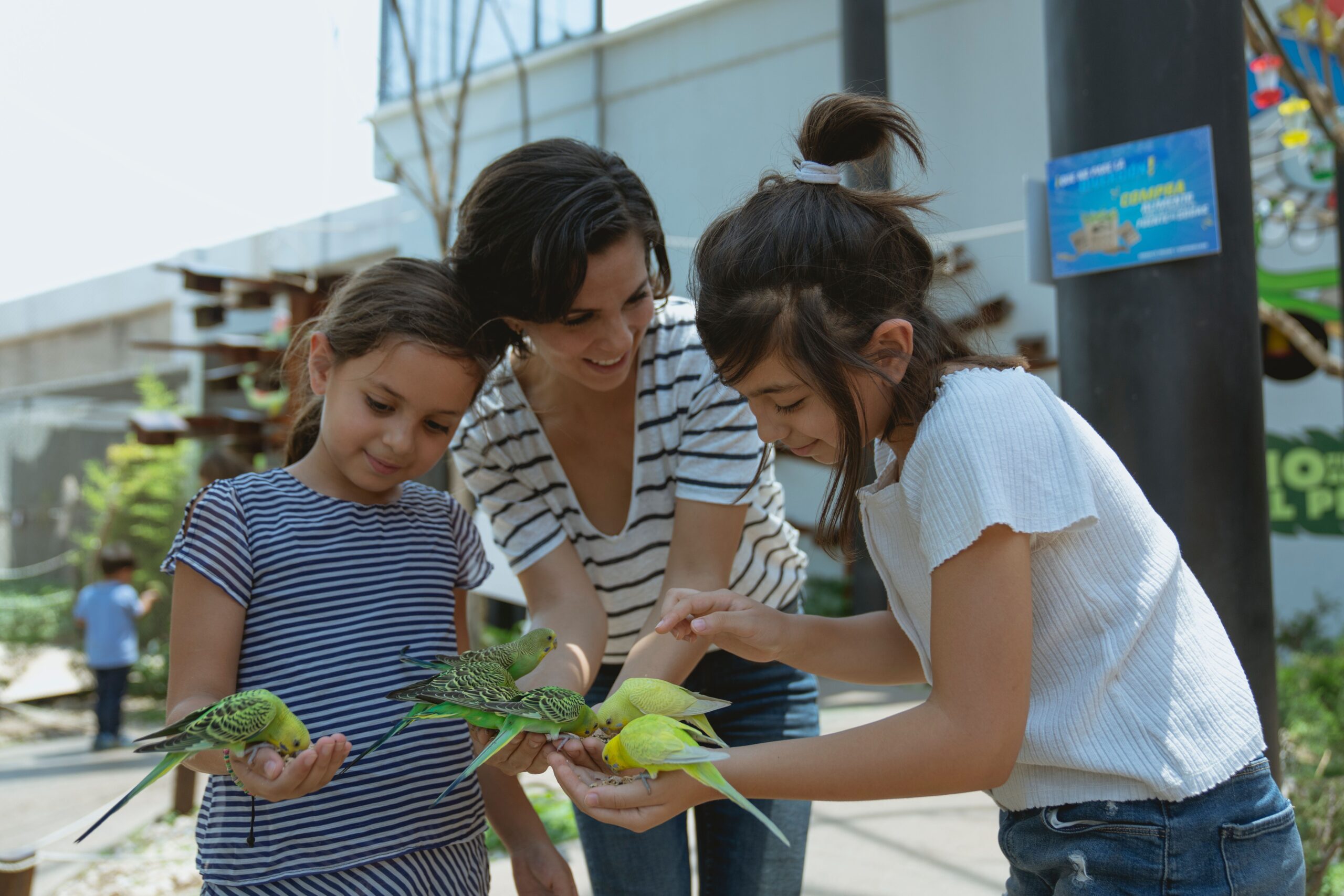
Pet Birds for Kids can be a wonderful choice for families who want a companion that is smaller and different from the usual dog or cat. Birds can be fun to watch, entertaining to interact with, and a great way for children to learn about responsibility and animal care.
However, choosing a bird for a child is not as simple as picking the most colorful species. Every bird has different needs when it comes to attention, cage size, noise, handling, diet, exercise, and social interaction.
Some birds are better for children who mainly enjoy watching and caring for an animal, while others are more appropriate for older kids who can safely handle and interact with a pet.
Before bringing any bird home, parents should remember one important point: an adult should always be responsible for the bird’s overall care. Children can help with age-appropriate tasks, but they should not be expected to manage a bird completely on their own.
Here are seven bird species that families may want to consider when looking for a kid-friendly companion.
Are Birds Good Pets for Kids?
Yes, birds can make wonderful family pets, but they are not the right choice for every child.
Birds are intelligent, social animals. Even smaller species need appropriate food, clean water, a suitable cage, enrichment, and regular veterinary care. Some birds also need daily time outside their cage in a safe, supervised environment.
For younger children, a bird that is primarily enjoyed through observation may be a better option. Older, calm children may be able to interact more directly with gentle species.
Parents should also think about noise. Even small birds can chirp, call, whistle, or become vocal when they want attention.
Another consideration is allergies. Bird feathers, dander, droppings, and feather dust can bother some people. Families with known allergies or breathing sensitivities should discuss the situation with a healthcare professional before bringing a bird into the home.
1. Finch
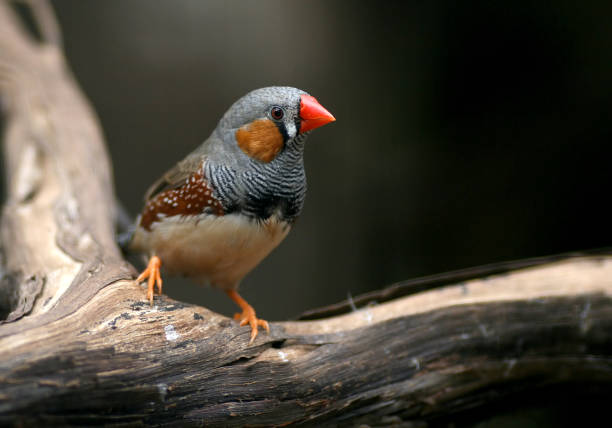
Finches are one of the easiest options for families who want a pet bird that is more enjoyable to watch than handle.
These tiny birds are active, colorful, and entertaining. They spend much of their time flying around their enclosure, hopping between perches, and communicating with gentle chirps and calls.
Because finches generally do not enjoy frequent handling as much as some parrots, they can work well for children who simply love watching birds.
Finches are also social birds. Instead of keeping just one, many owners choose to keep a compatible pair or small group so the birds have companionship.
Their small size also means they do not require the same amount of space as larger parrots, although they still need an appropriately sized cage that provides room for movement and flight.
Quick facts:
- Typical length: Around 5–6 inches
- Typical weight: About 0.5 ounce, depending on species
- Temperament: Active, social, and generally gentle
- Best for: Children who enjoy observing animals
- Handling: Usually limited
Finches can be an excellent introduction to bird ownership when the goal is learning how to provide daily care rather than having a bird that constantly sits on a child’s shoulder.
2. Canary
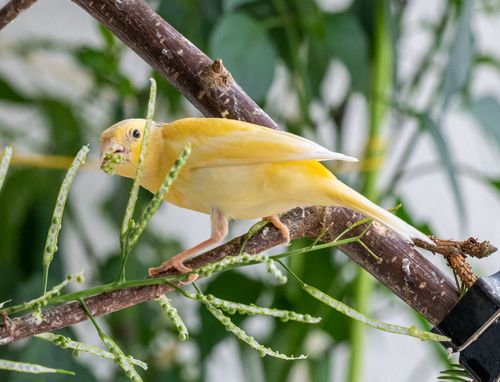
Canaries are another popular choice for families, particularly when children enjoy listening to birds sing.
A canary does not necessarily need constant human attention. Instead, it can provide entertainment through its movement and beautiful songs.
Many canaries have bright yellow plumage, although other color varieties are available. They are relatively small and can be kept indoors in an appropriately designed cage.
Like finches, canaries are generally better suited to children who want a bird to observe rather than frequently pick up.
Parents should still supervise children around the cage and teach them to avoid tapping on the enclosure, chasing the bird, or trying to grab it.
Quick facts:
- Size: Small
- Temperament: Usually independent and active
- Known for: Singing and attractive appearance
- Best for: Families who prefer a low-interaction bird
- Handling: Generally limited
If your child loves the sound of birds and enjoys watching animals, a canary may be worth considering.
Also Read : 5 Smartest Birds Pet : The Most Intelligent Pet Birds You Should Know
Also Read : What to Feed a Baby Bird: What to Do If You Find One in Your Yard
3. Dove
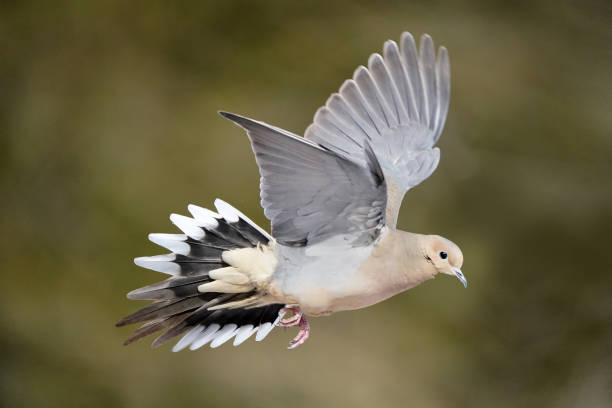
Doves are known for their calm appearance and gentle nature. They are sometimes overlooked when families think about Pet Birds for Kids, but they can be wonderful companions for children who are patient and gentle.
Compared with many parrots, doves have softer beaks and generally are not known for delivering the same kind of powerful bites associated with larger hookbills.
However, that does not mean children should handle them carelessly. A dove can become frightened if it is chased, squeezed, or grabbed.
Doves also benefit from companionship and plenty of room to move. Depending on the bird and household setup, supervised time outside the cage can provide additional exercise and enrichment.
Quick facts:
- Typical length: Around 11–13 inches
- Typical weight: Approximately 5–8 ounces
- Temperament: Calm and gentle
- Best for: Older, quiet children
- Lifespan: Often around 10–25 years, depending on species and care
A dove can be a good choice for a child who understands that pets should be treated calmly and respectfully.
4. Lovebird
Lovebirds may be small, but they have plenty of personality.
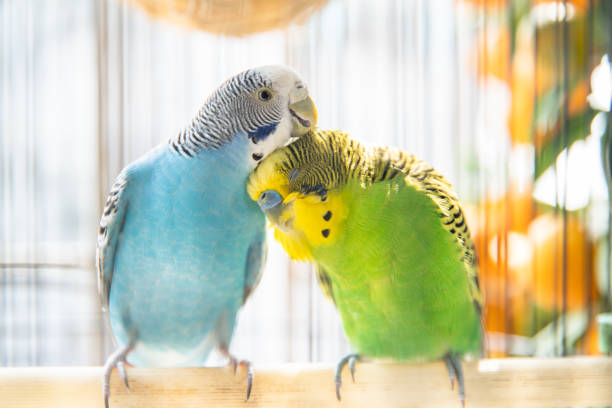
These colorful parrots are intelligent, curious, and active. Their relatively small size makes them appealing to families that do not have enough room for a larger parrot.
Lovebirds can become strongly attached to their human caregivers when they receive appropriate socialization and attention. However, they can also be energetic and occasionally nippy, so they are generally better for older children who have learned how to interact with birds properly.
They need toys, perches, mental stimulation, and daily attention. A bored lovebird may become frustrated or develop unwanted behaviors.
Quick facts:
- Typical length: Around 5–6 inches
- Typical weight: About 1.5–2 ounces
- Temperament: Energetic, intelligent, and social
- Best for: Older children with adult supervision
- Lifespan: Often around 10–20 years
Lovebirds can be rewarding pets, but parents should not choose one simply because it is small. Their small bodies come with surprisingly big personalities and care requirements.
5. Budgie (Parakeet)
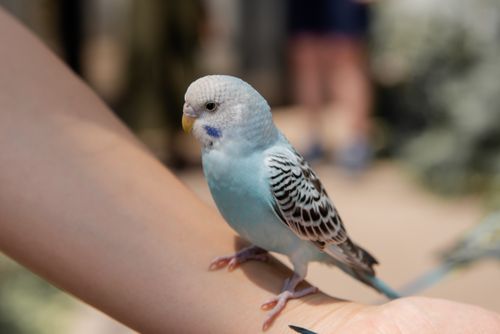
The budgie, also called a parakeet in the United States, is one of the most popular small companion birds.
Budgies are colorful, playful, intelligent, and relatively easy for a prepared family to care for. They can also become comfortable with gentle handling when properly socialized.
One of the most exciting things about budgies is their ability to learn sounds. Some individuals can learn to mimic words and household noises.
Their small size makes them easier to accommodate than many larger parrots, but they still require a proper cage, nutritious diet, toys, perches, exercise, and regular interaction.
Children should always be taught to handle a budgie gently. A bird this small can be injured easily if a child squeezes it or holds it too tightly.
Quick facts:
- Typical length: Around 7 inches
- Typical weight: Roughly 1 ounce
- Temperament: Friendly, active, and curious
- Known for: Mimicking sounds and interacting with people
- Lifespan: Often around 7–15 years
For many families, a well-socialized budgie can be one of the most approachable choices when looking for Pet Birds for Kids.
6. Cockatiel
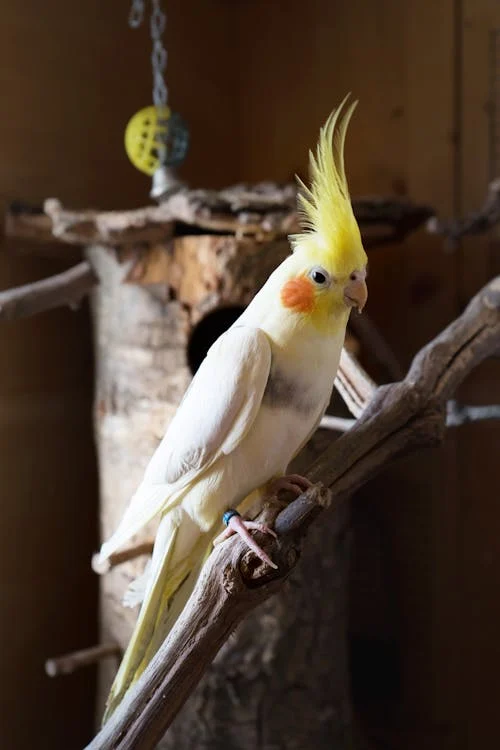
Cockatiels are larger than budgies and finches, but their friendly personalities make them popular companion birds.
They are known for their expressive crests, whistles, playful behavior, and ability to develop strong relationships with their caregivers.
A well-socialized cockatiel may enjoy sitting with its owner, learning simple behaviors, or spending supervised time outside the cage.
Because cockatiels require more interaction and produce more mess than smaller birds, they are generally better suited to older children who genuinely want to participate in bird care.
Parents should also remember that a cockatiel can be a long-term commitment. Some can live for two decades or longer with good care.
Quick facts:
- Typical length: Around 11–12 inches
- Typical weight: Approximately 2.5–3.5 ounces
- Temperament: Social, playful, and affectionate
- Known for: Whistling, learning sounds, and interacting with people
- Lifespan: Commonly 15–20 years, sometimes longer
If your child wants a bird they can interact with rather than simply watch, a cockatiel may be a better match than a finch or canary.
How to Choose the Right Pet Bird for Your Child
There is no single bird that is perfect for every family.
Before choosing one, think about your child’s personality, age, patience, and interest in animals.
Consider the Bird’s Noise Level
Some children may enjoy listening to birds, while others may become annoyed by frequent chirping or calling.
If your family lives in an apartment or condominium, noise should be an especially important consideration.
Think About Handling
Not every bird enjoys being picked up.
Finches and canaries are generally better for watching, while properly socialized budgies and cockatiels may be more comfortable with gentle human interaction.
Teach children that a bird is not a toy. It should never be chased, squeezed, pulled, or forced to interact.
Consider the Time Commitment
Even small birds require daily care.
Someone needs to provide fresh food and water, clean the enclosure, monitor the bird’s health, and provide appropriate enrichment.
Parents should be prepared to take responsibility for these tasks.
Look at the Bird’s Lifespan
A bird can become a long-term family commitment.
A budgie may live for many years, while some parrots can live for decades. Make sure everyone understands that the bird may still need care long after a child has grown older.
Think About Space
A bird’s size does not tell you everything about the space it needs.
Active birds need enough room to move, stretch their wings, and interact with toys and perches. Larger birds may require significantly more space and equipment.
How Kids Can Help Care for a Pet Bird
Children can learn valuable responsibility from caring for a bird, as long as the tasks are appropriate for their age.
Depending on the child’s age, they may be able to:
- Help measure food with an adult
- Refill water under supervision
- Help clean bird-safe areas
- Talk to the bird calmly
- Help choose safe toys
- Observe the bird’s behavior
- Learn about different bird species
- Help keep the bird’s surroundings organized
Adults should remain responsible for important health and safety decisions.
Children should also learn to recognize when a bird wants space. If the bird moves away, becomes frightened, or shows signs of stress, the interaction should stop.
What Should Kids Know Before Getting a Pet Bird for Kids?
Before bringing a bird home, children should understand that birds are living animals with individual personalities.
A bird may not immediately trust a new family. Building a relationship can take patience.
Children should also know that birds can make messes, wake up early, make noise, and require regular cleaning.
The goal should not be to find a bird that requires no work. Instead, families should choose a species whose needs match their lifestyle and ability to provide proper care.
Pet Birds for Kids: Which One Is Best?
The best choice depends on what your family wants from a bird.
Finches are great for children who enjoy observing active birds.
Canaries may appeal to families who love beautiful birds and singing.
Doves can suit calm, gentle older children.
Lovebirds are energetic and social but require responsible handling.
Budgies are small, intelligent, colorful, and often enjoy human interaction.
Cockatiels can be excellent companions for older children who want a more interactive relationship.
Quaker parakeets are highly intelligent but require a bigger long-term commitment.
There is no universal winner. The right bird is the one whose personality, care requirements, noise level, lifespan, and space needs fit your household.
Final Thoughts
Choosing among Pet Birds for Kids should be a family decision rather than a child’s decision alone.
Birds can teach children patience, empathy, responsibility, and respect for animals. But even the smallest bird needs proper nutrition, a safe environment, regular cleaning, enrichment, and appropriate veterinary care.
Before making a decision, spend time learning about the species you are considering. Talk with reputable bird rescues, experienced avian caregivers, or an avian veterinarian if possible.
Most importantly, choose a bird because your family is prepared to care for it for its entire life—not simply because it looks cute or your child wants one.
With the right preparation and adult involvement, a pet bird can become a fascinating and rewarding member of the family.